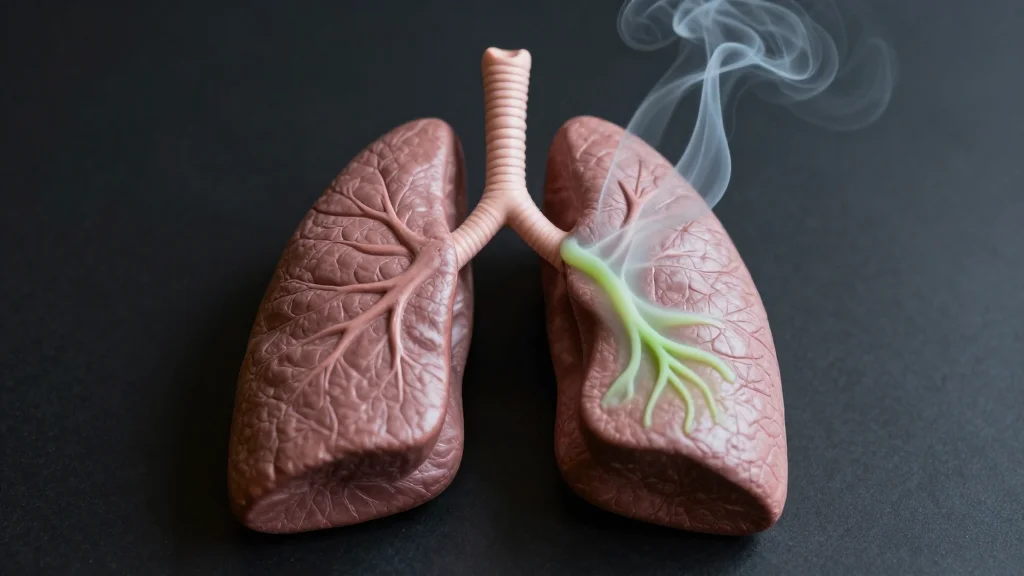
Short Exposures to Common Air Pollutants Have Distinct Impacts on Lung Function and Brain Activity, Study Shows
Why It Matters
Because health impacts vary by pollutant type, regulators must move beyond total PM counts to target harmful sources, protecting aging populations from accelerated cognitive decline.
Key Takeaways
- •Limonene aerosol most reduces lung function in 60‑minute exposure
- •Diesel exhaust speeds processing but may impair executive function
- •Woodsmoke and diesel boost processing; cooking emissions minimal effect
- •Identical PM levels yield different brain‑lung responses across sources
- •Study urges source‑specific air‑quality policies to curb dementia risk
Pulse Analysis
The new HIPTox trial, conducted by researchers at the University of Birmingham and partners, adds a critical layer to the growing body of evidence linking air quality to neurological health. By exposing the same participants to clean air and four real‑world pollutant mixtures—limonene secondary organic aerosol, diesel exhaust, woodsmoke, and cooking emissions—the study isolates the lung‑brain axis as a rapid conduit for both respiratory and cognitive change. This methodological leap moves beyond epidemiological correlations, offering a controlled glimpse of how minutes of exposure can shift working memory, attention, and executive function.
Results reveal a nuanced picture: limonene aerosol produced the greatest drop in spirometric measures, while diesel exhaust and woodsmoke paradoxically enhanced processing speed yet hinted at executive dysfunction. The researchers attribute these mixed cognitive outcomes to chemical constituents such as nitrogen oxides, which can modulate cerebral blood flow. Crucially, all mixtures were calibrated to identical particulate matter concentrations, underscoring that particle count alone fails to capture health risk. The study therefore challenges the prevailing regulatory focus on PM2.5 mass and argues for composition‑specific metrics.
For policymakers and clinicians, the implications are immediate. As urbanization accelerates and the global population ages, source‑targeted air‑quality standards could become a frontline defense against dementia and other neurodegenerative conditions. Public‑health agencies may need to issue differentiated exposure limits for indoor fragrances, traffic emissions, and biomass burning. Meanwhile, clinicians should consider recent pollutant exposure when evaluating unexplained cognitive fluctuations. Continued longitudinal research will be essential to translate these short‑term findings into long‑term risk models, but the HIPTox trial already signals a shift toward more granular, health‑driven air‑policy.
Short exposures to common air pollutants have distinct impacts on lung function and brain activity, study shows
Comments
Want to join the conversation?
Loading comments...