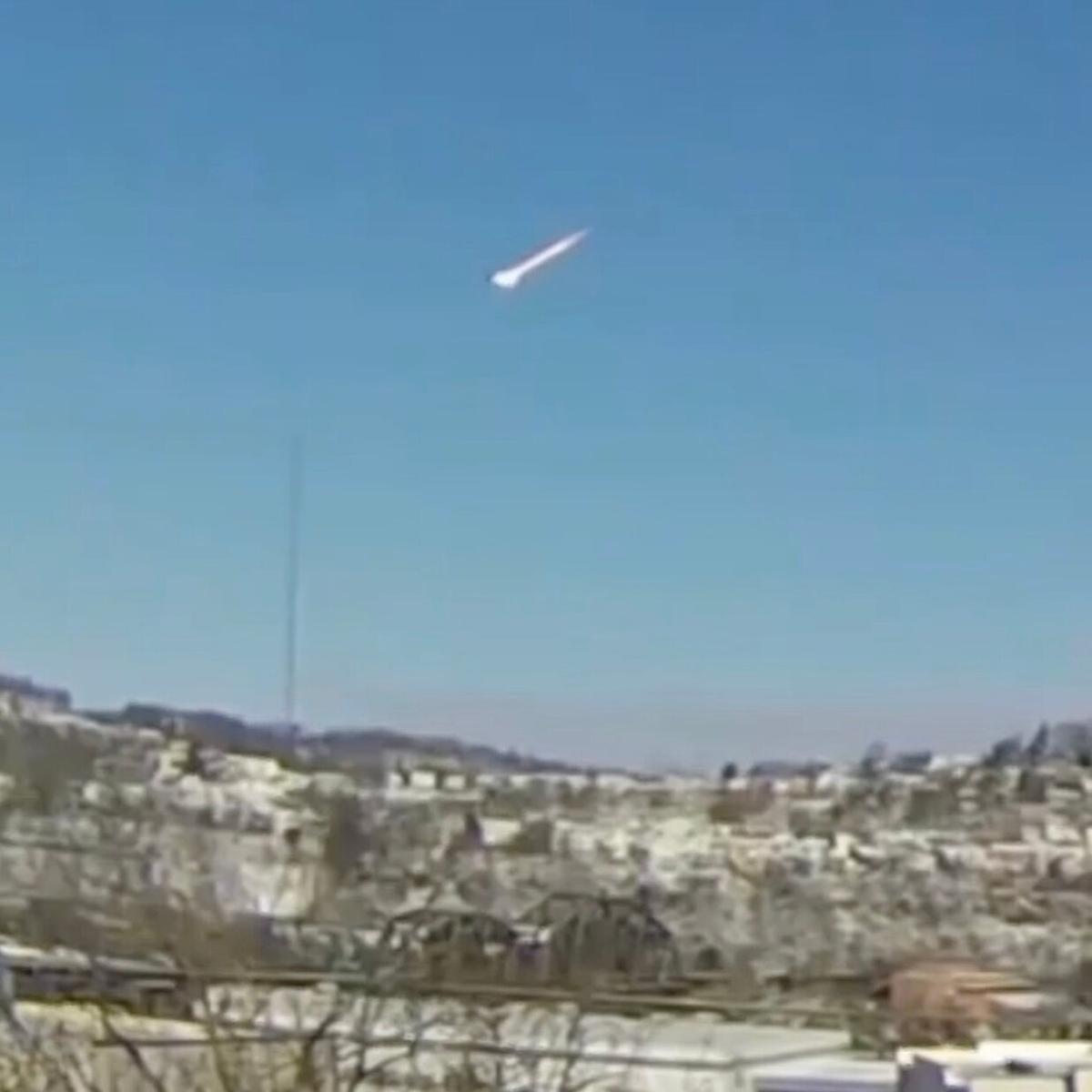
Sightings of Meteors Surge, and Scientists Aren’t Sure Why
Why It Matters
The spike highlights gaps in our understanding of near‑Earth meteoroid streams and stresses the need for stronger planetary‑defense monitoring. Increased fireball activity could elevate impact risk and demand more robust detection networks.
Key Takeaways
- •Fireball reports in Q1 2026 doubled typical quarterly totals
- •Ohio recorded multiple meteorite impacts on private property
- •NASA’s Meteoroid Environments Office monitoring increased atmospheric entries
- •Public reporting via American Meteor Society drives data collection
- •Cause of surge remains unknown, prompting further research
Pulse Analysis
The March 2026 fireball surge caught both amateur astronomers and professional agencies off guard, with the American Meteor Society receiving twice the number of sightings it normally logs for a three‑month period. This uptick is not merely a statistical blip; it reflects a real increase in meteoroid flux intersecting Earth’s atmosphere. By leveraging crowdsourced observations alongside satellite and ground‑based sensors, researchers can map entry trajectories and estimate the size distribution of incoming fragments, providing a richer picture of the near‑Earth environment.
Scientists are exploring several hypotheses to explain the anomaly. One possibility is that Earth passed through a dense debris stream left by a recent cometary breakup, temporarily boosting the number of meteoroids intersecting our orbit. Another theory points to variations in solar activity, which can alter the trajectories of small particles through radiation pressure and the solar wind. Some experts also caution that heightened public awareness and improved reporting tools may have amplified detection rates, creating an observational bias rather than a true physical increase.
Regardless of the root cause, the event underscores the importance of robust planetary‑defense infrastructure. A higher frequency of fireballs raises the statistical likelihood of larger, potentially hazardous objects reaching the surface. Strengthening sensor networks, integrating citizen‑science data, and refining predictive models are essential steps to mitigate impact risk. The March surge serves as a reminder that continuous monitoring and rapid data sharing remain critical for safeguarding the planet against extraterrestrial threats.
Sightings of Meteors Surge, and Scientists Aren’t Sure Why
Comments
Want to join the conversation?
Loading comments...