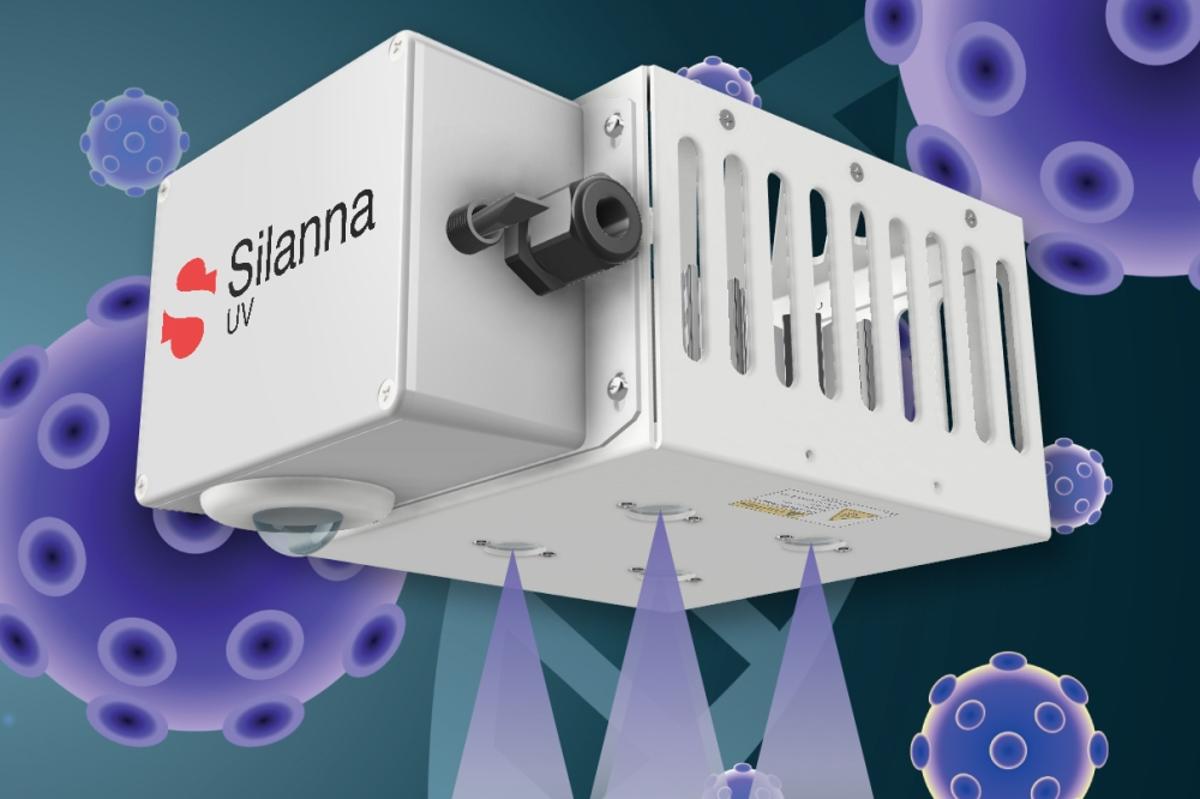
Silanna Far-UVC LEDs Counter H5N1 Bird Flu
Why It Matters
The technology offers a fast, chemical‑free method to curb H5N1 spread, protecting food supply chains and reducing pandemic risk. Its safety profile facilitates deployment in live‑animal facilities where traditional UV is prohibited.
Key Takeaways
- •235 nm far‑UVC LEDs achieve 99.999% virus kill in seconds
- •Far‑UVC light penetrates neither skin nor eyes, safe for occupied spaces
- •Avian flu outbreaks have driven egg price spikes and supply shortages
- •Resistance development unlikely, offering sustainable biosecurity for farms and labs
Pulse Analysis
The resurgence of H5N1 avian influenza has rattled global egg markets, driving price spikes and prompting urgent calls for more effective containment strategies. Traditional disinfection methods—chemical sprays or 254 nm mercury UV—pose safety challenges in occupied settings, limiting their use in hatcheries and processing lines where continuous operation is essential. Far‑UVC, operating between 200 and 240 nm, sidesteps these constraints by being absorbed by the outermost layers of skin and eyes, rendering it harmless to humans while retaining potent germicidal properties.
Technical advances in semiconductor LED manufacturing now enable precise emission at 235 nm, a wavelength shown by the Siena team to achieve multi‑log reductions of H5N1 within seconds. Unlike mercury lamps, LEDs offer instant on/off capability, longer lifespans, and lower energy consumption. Moreover, the physical mechanism—direct nucleic‑acid damage—makes it difficult for microbes to develop resistance, positioning far‑UVC as a sustainable alternative to antibiotics and chemical disinfectants in high‑risk environments.
Commercial adoption could reshape biosecurity protocols across agriculture, food processing, and clinical sectors. Operators can install far‑UVC fixtures in animal housing, conveyor belts, and even patient‑care areas without evacuating personnel, dramatically reducing downtime and labor costs. Regulatory bodies are already drafting exposure limits that align with the safety data, paving the way for broader market entry. As supply chains seek resilience against zoonotic threats, far‑UVC LEDs are poised to become a cornerstone of next‑generation infection control, driving investment in both hardware and integration services.
Silanna far-UVC LEDs counter H5N1 bird flu
Comments
Want to join the conversation?
Loading comments...