Simple Treatment Tweak Drastically Reduces Blood Loss From Severe Cuts
Why It Matters
The breakthrough could dramatically cut transfusion needs and mortality from acute hemorrhage, reshaping surgical and trauma care. Faster, longer‑lasting clots promise lower costs and improved outcomes for hospitals worldwide.
Key Takeaways
- •Modified red blood cells clot within 5 seconds in rat liver wounds
- •Blood loss reduced from ~2,000 mg to 24 mg with treatment
- •Clots persist 1–2 months, extending healing window
- •Procedure could be prepared in 30 minutes for surgery
Pulse Analysis
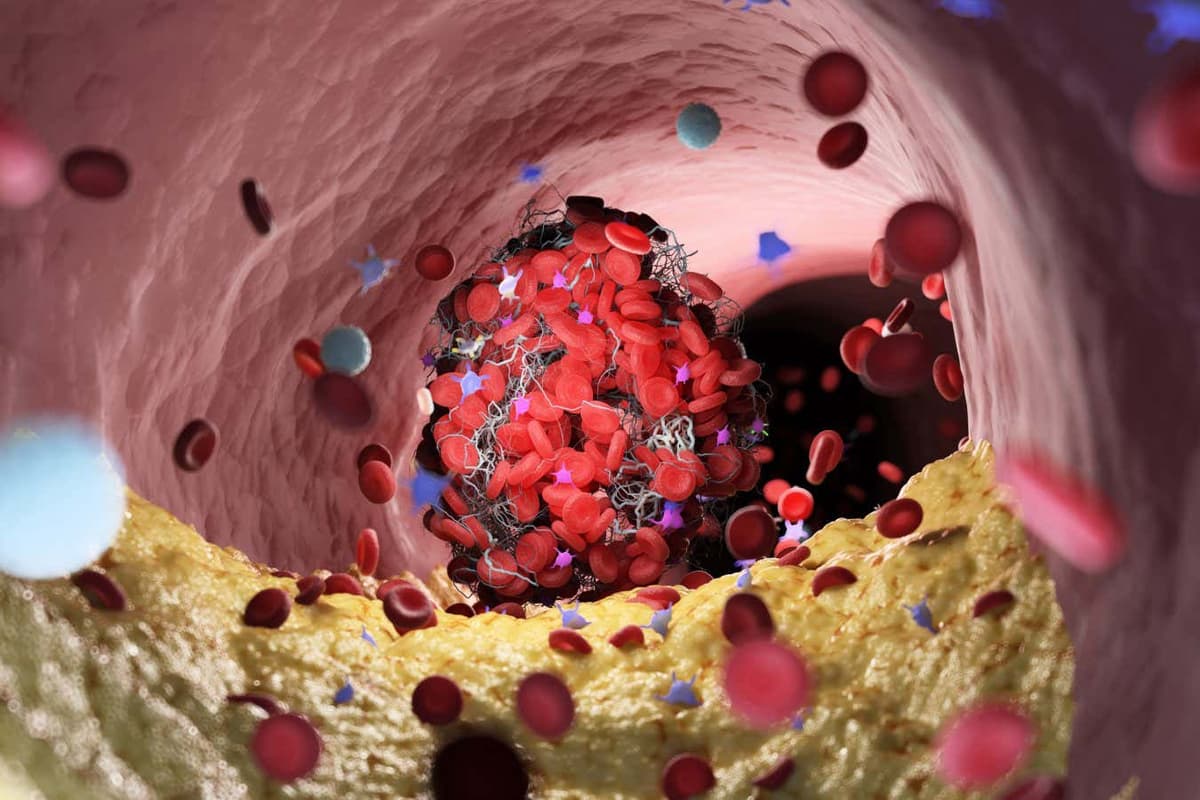
Uncontrolled bleeding remains a leading cause of death, accounting for roughly two million fatalities annually. Conventional hemostatic methods—compressive dressings, synthetic sealants, and transfusions—often require significant time, carry infection risks, or depend on scarce blood supplies. Moreover, natural clots degrade within days, limiting the window for tissue regeneration. The new cell‑based approach leverages the abundant, oxygen‑carrying red blood cells, augmenting their structural role in hemostasis. By chemically grafting bifunctional linkers onto red cell surfaces, researchers create a scaffold that rapidly interlocks with platelets and fibrin, producing a dense, resilient clot that forms in seconds rather than minutes.
The preclinical data are striking: in a rat liver injury model, clot formation dropped from 265 seconds to under five, and blood loss fell by more than 98 percent. Importantly, the engineered clots remained stable for up to two months, offering a prolonged protective barrier that could facilitate the delivery of growth factors and other reparative agents. Safety signals were absent in the short‑term study, and the process uses autologous blood, minimizing immunogenic concerns. Scaling this technique for human use would involve a brief ex‑vivo modification step—potentially under half an hour—making it feasible for scheduled surgeries and, with refrigerated stock, for trauma settings where time is critical.
If commercialized, this technology could disrupt the hemostasis market, which is dominated by synthetic adhesives and topical agents valued at billions of dollars. Hospitals would benefit from reduced reliance on blood banks, lower transfusion‑related complications, and shorter operative times. Challenges remain, including extending shelf life beyond a month and navigating regulatory pathways for cell‑based medical devices. Nonetheless, the promise of a fast, durable, biologically compatible clotting solution positions this innovation at the forefront of next‑generation surgical care.
Simple treatment tweak drastically reduces blood loss from severe cuts
Comments
Want to join the conversation?
Loading comments...