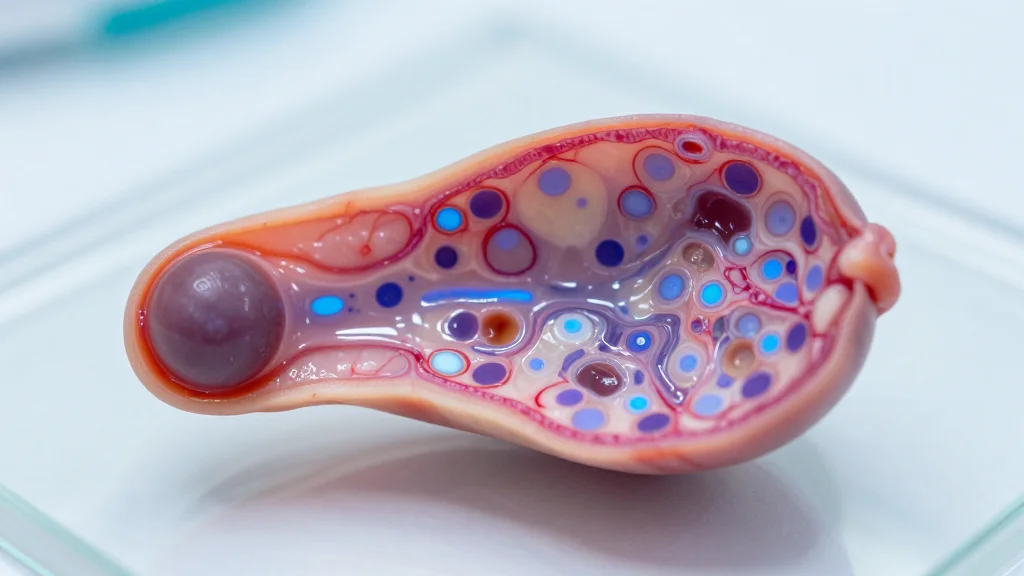
Single-Cell Atlas of Maternal–Fetal Interface Sheds Light on Pregnancy Complications
Why It Matters
The atlas provides the first detailed cellular blueprint of a healthy pregnancy, enabling researchers to pinpoint how specific cell types contribute to disorders such as preeclampsia, preterm birth and miscarriage, and informing future therapeutic strategies.
Key Takeaways
- •Atlas maps 200,000 cells across pregnancy stages
- •New maternal cell type expresses cannabinoid receptor, limits placental invasion
- •Genetic risk for preeclampsia tied to vascular remodeling cells
- •Cannabis exposure may worsen placental invasion restriction
- •Spatial transcriptomics links cell states to pregnancy complications
Pulse Analysis
The University of California, San Francisco team has delivered the first high‑resolution, single‑cell atlas of the human maternal–fetal interface, charting roughly 200,000 individual nuclei from early gestation to term. By coupling single‑nucleus RNA sequencing, ATAC‑seq chromatin accessibility, sub‑micrometer spatial transcriptomics and CODEX protein imaging, the researchers reconstructed both molecular identity and spatial context of uterine and placental cells. This multidimensional map not only catalogues known cell types but also uncovers previously hidden populations, providing an unprecedented reference for normal pregnancy biology.
Among the novel findings is a maternal cell subset that lines the entry point of fetal trophoblasts and uniquely expresses a cannabinoid receptor. Functional assays showed that exposure to cannabinoid ligands intensifies the cell’s inhibitory effect on trophoblast invasion, a critical step for establishing fetal blood flow. The result offers a mechanistic explanation for epidemiological links between prenatal cannabis use and adverse outcomes such as preterm birth and miscarriage. Clinicians and public‑health officials can now cite a concrete cellular pathway when advising pregnant patients about cannabis exposure.
The atlas also serves as a scaffold for integrating large‑scale genetic data. By overlaying risk loci from more than 10,000 patients onto cell‑type‑specific regulatory regions, the study pinpointed vascular‑remodeling cells as the primary drivers of preeclampsia‑related hypertension. This insight shifts the therapeutic focus toward restoring maternal‑fetal vascular communication rather than targeting downstream symptoms. With a detailed baseline of healthy pregnancies, future investigations can compare diseased states, accelerating the discovery of biomarkers and targeted interventions for preeclampsia, preterm labor, and miscarriage.
Single-Cell Atlas of Maternal–Fetal Interface Sheds Light on Pregnancy Complications
Comments
Want to join the conversation?
Loading comments...