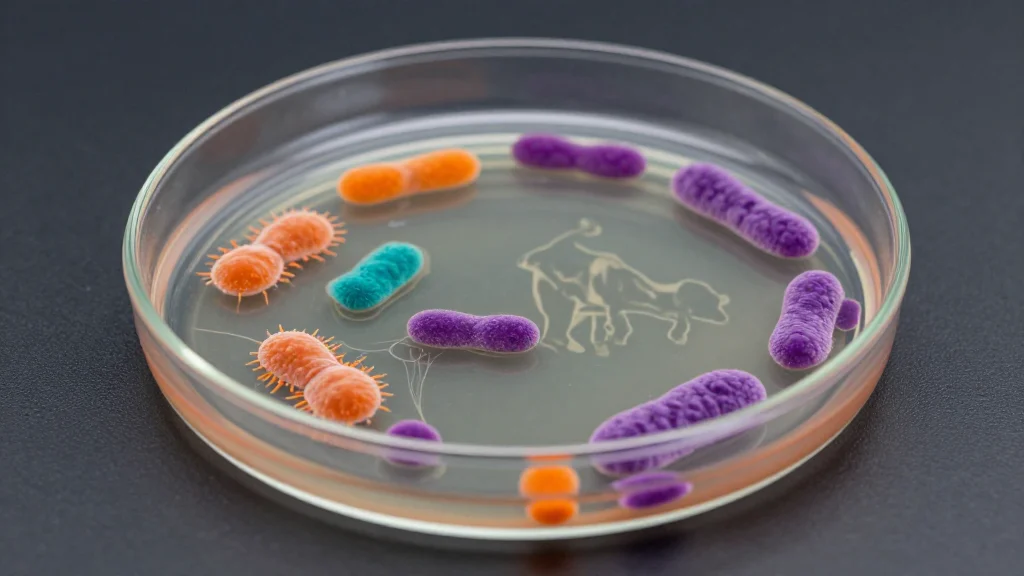
Single-Contig Bacterial Genomes Recovered From Cattle Fecal Metagenomes at Farms with Variable Antibiotic Use
Why It Matters
The dataset fills critical gaps in low‑abundance microbial detection and provides actionable insight into resistance gene reservoirs, informing surveillance and mitigation strategies across agriculture and public health.
Key Takeaways
- •84 high-quality single-contig MAGs recovered from cattle feces
- •41 MAGs represent potentially novel species to family level
- •19 MAGs contain antibiotic resistance genes, indicating resistance spread
- •Acetate‑supplemented minimal medium enrichment captured low‑abundance taxa
- •Dataset supports One Health studies of animal‑environment microbial dynamics
Pulse Analysis
Cattle manure is a prolific source of microbial diversity, yet conventional metagenomic pipelines often miss low‑abundance organisms that can act as reservoirs for antibiotic resistance. By applying an acetate‑supplemented minimal medium, the research team selectively enriched bacteria capable of thriving on simple carbon sources, thereby amplifying signals from otherwise undetectable taxa. This strategic enrichment, combined with advanced assembly techniques, yielded 84 single‑contig MAGs—an unprecedented level of contiguity that facilitates robust functional and phylogenetic analyses.
The recovered genomes span five major bacterial phyla, with a notable representation of Actinomycetota and Pseudomonadota, groups frequently implicated in environmental resilience and opportunistic infections. Importantly, 41 of the MAGs appear to belong to novel taxa, expanding the known catalog of cattle‑associated microbes. The presence of antibiotic resistance genes in 19 genomes, including those linked to clinically relevant pathways, underscores the hidden potential for resistance dissemination from livestock to broader ecosystems. Six genomes align with opportunistic pathogens, highlighting a direct conduit for zoonotic risk.
From a One Health perspective, this genomic repository equips researchers, veterinarians, and policymakers with granular data to monitor antimicrobial resistance trends at the animal‑environment nexus. The high‑resolution assemblies enable precise tracking of resistance gene flow, support the development of targeted mitigation strategies, and inform risk assessments for food safety and public health. As antibiotic stewardship becomes increasingly critical, such comprehensive, high‑quality datasets will be instrumental in shaping evidence‑based interventions across the agricultural sector.
Single-contig bacterial genomes recovered from cattle fecal metagenomes at farms with variable antibiotic use
Comments
Want to join the conversation?
Loading comments...