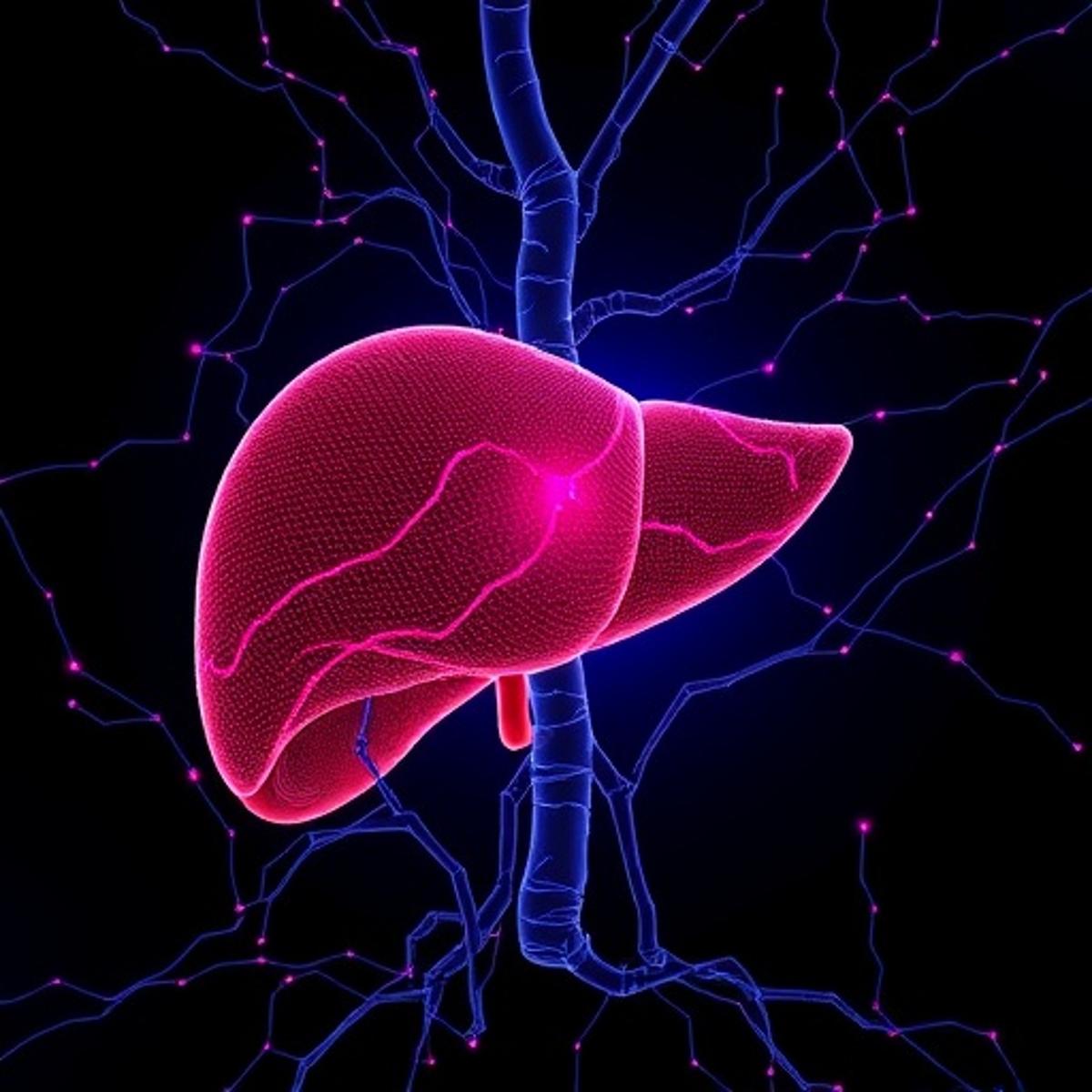
SIRT3-DsbA-L-TFAM Axis Limits Fatty Liver Disease
Why It Matters
The discovery provides a mechanistic target for drug development against NAFLD, a condition affecting over 30 % of U.S. adults and driving rising healthcare costs.
Key Takeaways
- •SIRT3 activation boosts DsbA-L and TFAM in liver cells.
- •Mice with SIRT3 overexpression show 40% less hepatic fat.
- •Pathway reduces oxidative stress and improves mitochondrial biogenesis.
- •Human NAFLD livers exhibit lower SIRT3, DsbA-L, TFAM levels.
- •Pharmacologic SIRT3 activators may treat fatty liver disease.
Pulse Analysis
Non‑alcoholic fatty liver disease has become the most common chronic liver condition in the United States, affecting an estimated 80 million adults and accounting for billions of dollars in medical expenses. Despite its prevalence, effective pharmacologic options remain limited, prompting researchers to explore the organelle‑level pathways that govern lipid metabolism. The recent discovery of the SIRT3‑DsbA‑L‑TFAM axis adds a critical piece to this puzzle. SIRT3, a mitochondrial deacetylase, is known to regulate energy homeostasis, while DsbA‑L and TFAM are essential for protein folding and mitochondrial DNA transcription, respectively.
The study employed both genetic and pharmacologic models to dissect the axis’s role in hepatic steatosis. Mice engineered to overexpress SIRT3 in the liver displayed a 40 % drop in triglyceride content compared with controls, accompanied by a two‑fold rise in DsbA‑L and TFAM protein levels. These molecular changes restored mitochondrial respiration, lowered reactive oxygen species, and enhanced fatty‑acid oxidation. Conversely, SIRT3‑deficient mice accumulated fat rapidly and showed suppressed DsbA‑L/TFAM signaling, underscoring the pathway’s protective capacity.
From a commercial perspective, the SIRT3‑DsbA‑L‑TFAM pathway represents a promising target for next‑generation NAFLD therapeutics. Small‑molecule SIRT3 activators are already in early‑stage pipelines, and coupling them with agents that stabilize DsbA‑L or boost TFAM expression could yield synergistic effects. Investors are likely to watch this space as the FDA’s recent guidance on NAFLD drug development emphasizes mechanisms that improve mitochondrial health. Further clinical validation will be essential, but the axis offers a biologically grounded route to address a market projected to exceed $10 billion by 2030.
SIRT3-DsbA-L-TFAM Axis Limits Fatty Liver Disease
Comments
Want to join the conversation?
Loading comments...