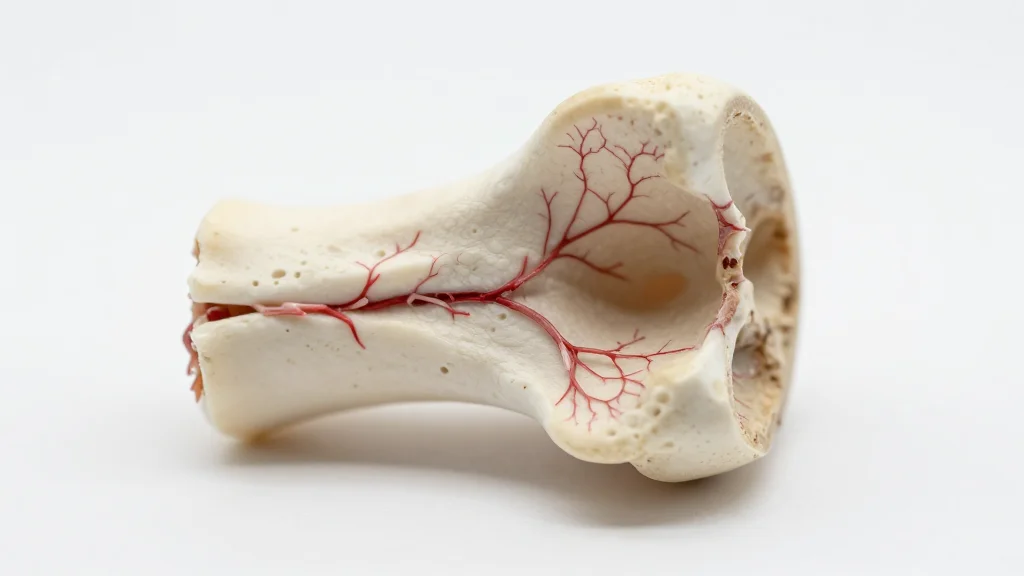
Skull Microchannels Reveal Hidden Route for Brain Immune Defense
Why It Matters
By revealing a direct bone‑to‑brain immune route, the work reshapes how clinicians view cerebrovascular health and may inform therapies targeting glymphatic dysfunction. It also provides anthropologists a novel metric for assessing cranial evolution and disease susceptibility.
Key Takeaways
- •100–400 vascular microforamina per adult skull.
- •Channels under 0.5 mm diameter dominate but larger ones carry similar flow.
- •Concentrated in posterior/central parietal bone near major veins.
- •Serve immune-cell trafficking, linking diploë marrow to brain.
- •Impacts glymphatic clearance, informing stroke and Alzheimer’s studies.
Pulse Analysis
The discovery of vascular microforamina—microscopic channels threading the inner surface of the cranial vault—adds a missing piece to the brain’s circulatory puzzle. Using high‑resolution computed tomography, the CENIEH team documented a wide inter‑individual range, from about one hundred to four hundred conduits per skull, with most measuring less than half a millimeter. Larger channels, while scarce, contribute disproportionately to blood flow and are clustered in the posterior parietal region, mirroring the layout of major venous structures. This anatomical mapping establishes a concrete baseline for future comparative studies across populations and age groups.
Beyond structural curiosity, these microforamina appear to serve a functional role in the glymphatic system, the brain’s waste‑clearance network. By providing a conduit for immune cells and marrow‑derived molecules to exit the diploë and enter the meninges, they facilitate rapid neuroinflammatory responses. Such a pathway could explain how peripheral immune signals influence central nervous system health, linking skull anatomy to conditions like stroke, traumatic brain injury, and neurodegenerative disorders where glymphatic failure is implicated.
The clinical implications are twofold. First, imaging these channels could become a diagnostic marker for patients at risk of impaired waste clearance, guiding early interventions for Alzheimer’s or vascular dementia. Second, therapeutic strategies might target the microforamina to enhance immune surveillance or deliver drugs directly to the brain’s perivascular spaces. For anthropologists, the variability in channel density offers a new metric to explore evolutionary adaptations in cranial architecture. As research progresses, the hidden vascular highway of the skull may prove pivotal in both medicine and human evolutionary studies.
Skull microchannels reveal hidden route for brain immune defense
Comments
Want to join the conversation?
Loading comments...