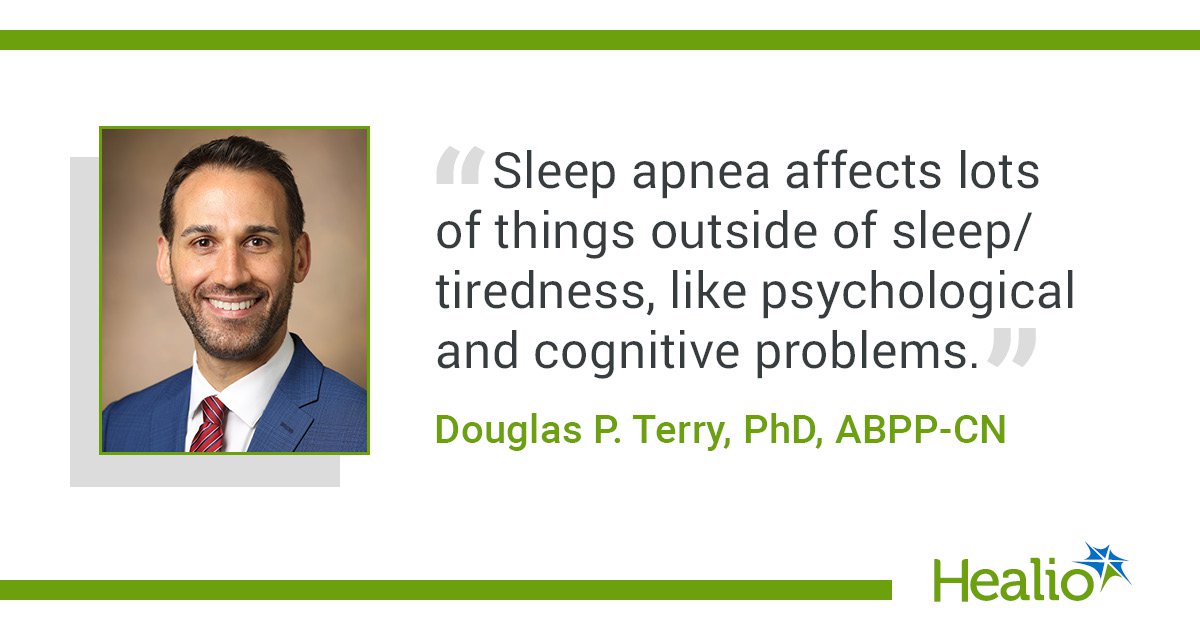
Sleep Apnea, Neuropsychiatric Symptoms Linked in Football Players
Companies Mentioned
Why It Matters
Undiagnosed sleep apnea may be a modifiable driver of mood, pain and cognitive decline in retired athletes, challenging the default attribution of these symptoms to head trauma alone. Early detection and treatment could improve quality of life and reduce healthcare costs for a high‑risk population.
Key Takeaways
- •69% estimated sleep apnea prevalence among former NFL players
- •Only 32% reported a formal diagnosis, many remain undiagnosed
- •Untreated sleep apnea linked to highest anxiety, depression, pain scores
- •Black and high‑BMI players face double risk for OSA
- •Less than 40% of diagnosed players regularly use CPAP therapy
Pulse Analysis
The prevalence of obstructive sleep apnea (OSA) in former professional football players is staggering. Leveraging data from nearly 2,000 retirees, researchers applied the STOP‑BANG questionnaire and found that three‑quarters of those without a prior diagnosis screened positive for moderate‑to‑high risk. Physical attributes common among linemen—elevated body‑mass index, large neck circumference, and a history of repetitive head impacts—create a perfect storm for airway collapse during sleep. This hidden epidemic mirrors broader public‑health trends, where the American Heart Association estimates 95% of OSA cases go undetected, but the concentration of risk factors in former athletes amplifies the problem.
Beyond the airway obstruction, the study draws a direct line between untreated OSA and heightened neuropsychiatric symptoms. Players with a diagnosis who were not adherent to continuous positive airway pressure (CPAP) therapy reported the worst scores on anxiety (GAD‑7), depression (PHQ‑9), pain intensity, and perceived cognitive function. These findings complicate the narrative that mood and cognitive decline in retired NFL players stem solely from chronic traumatic encephalopathy (CTE). Instead, they suggest that a reversible condition—sleep‑disordered breathing—may be driving a substantial portion of the symptom burden, offering clinicians a tangible intervention point.
The clinical implications are clear: systematic OSA screening should become a standard component of post‑career health assessments for contact‑sport athletes. A brief STOP‑BANG questionnaire, followed by polysomnography for high‑risk individuals, can identify candidates for CPAP therapy, a low‑cost treatment with proven benefits for mood, pain and cognition. Future research must move from cross‑sectional associations to longitudinal trials that test whether consistent CPAP use can alter neuropsychiatric trajectories. Until such evidence emerges, physicians, team physicians, and player associations should prioritize sleep health as a cornerstone of comprehensive care for former football players.
Sleep apnea, neuropsychiatric symptoms linked in football players
Comments
Want to join the conversation?
Loading comments...