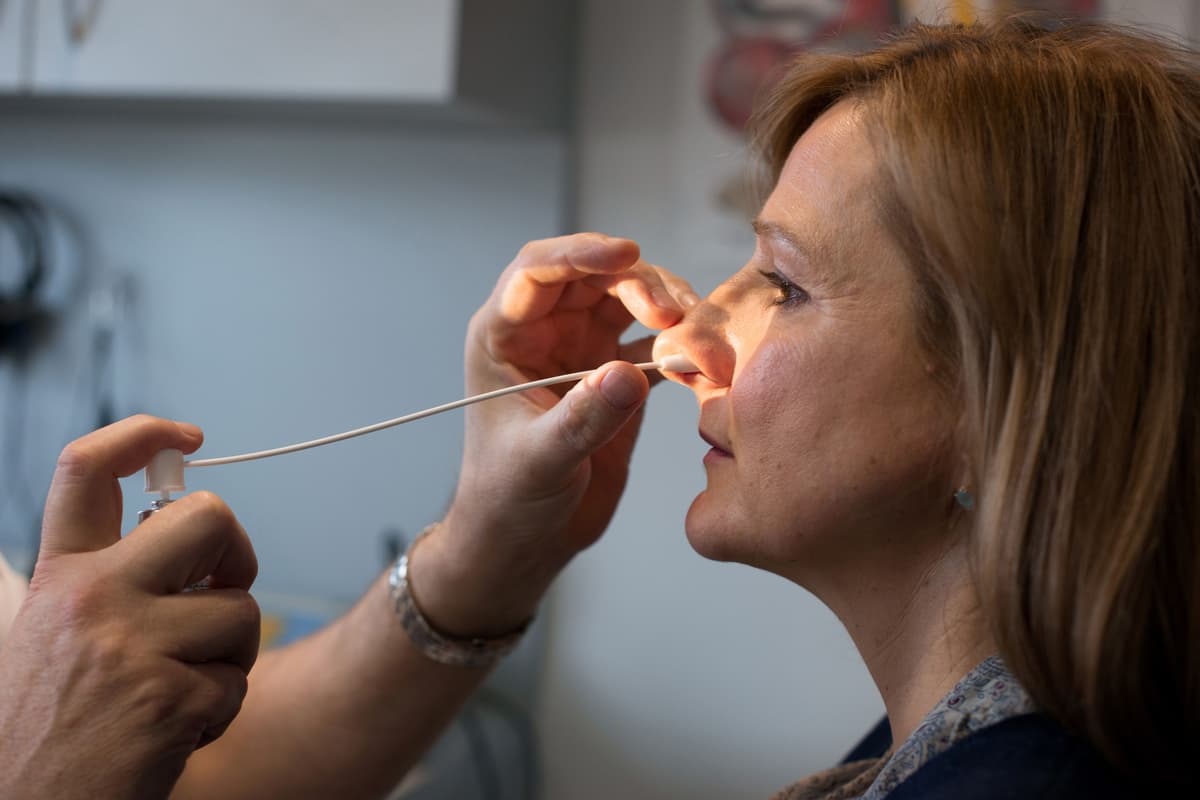
Sleep Apnea Often Goes Undetected in Women. That’s Starting to Change
•March 6, 2026
0
Why It Matters
Undiagnosed OSA in women fuels cardiovascular, metabolic and cognitive disease, demanding gender‑aware screening and personalized therapy to protect public health.
Key Takeaways
- •Women’s OSA prevalence projected to hit 30 million by 2050.
- •Menopause hormones reduce airway protection, raising apnea risk.
- •Typical screening tools miss female‑specific symptoms.
- •CPAP algorithms now adapt to sex‑based pressure needs.
- •Undiagnosed OSA elevates cardiovascular and cognitive disease risk.
Pulse Analysis
Historically, obstructive sleep apnea (OSA) has been framed through a male‑centric lens, shaping diagnostic criteria and public perception. Recent epidemiological models, however, reveal a looming surge among women, with the United States projected to see over 30 million female cases by 2050. This shift reflects not only demographic trends—aging and rising obesity—but also heightened clinical vigilance that is finally uncovering cases previously dismissed as routine menopausal complaints. The growing data set underscores a critical reevaluation of how sleep‑related breathing disorders are quantified across genders.
The biological underpinnings of female OSA are tightly linked to hormonal dynamics. Estrogen and progesterone bolster upper‑airway muscle tone and modulate respiratory drive; their decline during menopause erodes this protective effect, while fat redistribution toward the neck adds mechanical pressure. Consequently, women often present with subtle, non‑classic signs such as insomnia, mood swings, nocturia, or morning headaches rather than loud snoring or overt daytime sleepiness. Conventional screening instruments, like the Epworth Sleepiness Scale, were validated predominantly on male cohorts, leading to systematic under‑recognition of these nuanced presentations.
Therapeutic advances are beginning to address these gaps. Modern CPAP devices incorporate adaptive algorithms that tailor pressure cycles to sex‑specific airway mechanics, improving comfort and adherence for female patients. Simultaneously, research advocates for precision‑medicine approaches that consider hormonal status and phenotype clusters when selecting interventions. As the healthcare community amplifies education for both providers and patients, the dual focus on refined diagnostics and personalized treatment promises to mitigate the cardiovascular, metabolic, and neurocognitive sequelae tied to untreated OSA in women.
Sleep Apnea Often Goes Undetected in Women. That’s Starting to Change
0
Comments
Want to join the conversation?
Loading comments...