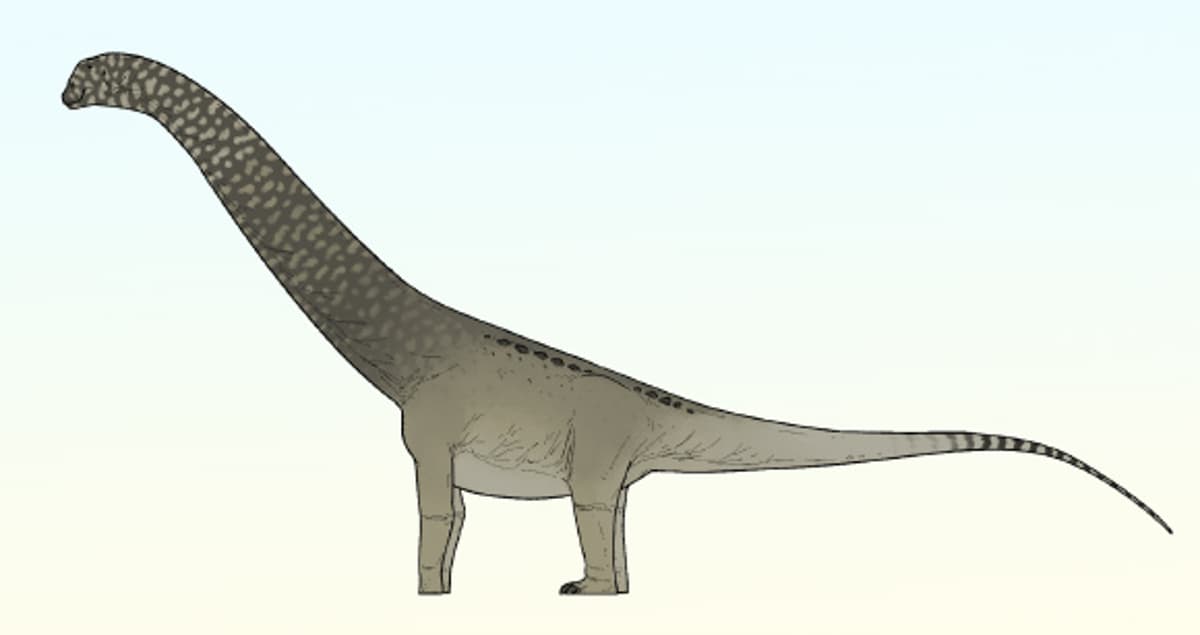
Small Titanosaur Species From Morocco Reveals Surprising South American Ties
Why It Matters
The discovery reshapes our view of dinosaur biogeography, indicating deeper faunal connections across Gondwana and highlighting overlooked endemism in Africa. It forces a reassessment of global diversity patterns just before the end‑Cretaceous extinction.
Key Takeaways
- •New titanosaur Phosphatotitan links North Africa to South American Lognkosauria
- •Species weighed ~3.5–4 tons, far smaller than Patagotitan
- •Findings imply Gondwanan dispersal or oceanic crossing before 100 Myr split
- •Suggests Late Cretaceous Morocco acted as isolated island with endemic fauna
- •Highlights gaps in global dinosaur diversity knowledge before mass extinction
Pulse Analysis
The identification of Phosphatotitan khouribgaensis adds a surprising chapter to the titanosaur record, a clade traditionally dominated by South American giants such as Patagotitan and Argentinosaurus. Unlike its colossal relatives, this Moroccan sauropod measured only a few meters in length, yet its dorsal vertebrae and broadened pubis echo the anatomy of Lognkosauria. By examining these morphological nuances, scientists can refine phylogenetic trees and better understand how size and skeletal adaptations evolved in isolated environments during the final stages of the Cretaceous.
Biogeographically, the Moroccan specimen challenges the long‑held view that Late Cretaceous sauropods were largely confined to their continental origins. The close affinity with South American lognkosaurs suggests either a lingering Gondwanan distribution predating the Atlantic’s full opening or episodic dispersal across narrow marine corridors. Such scenarios align with emerging models of faunal exchange that incorporate sea‑level fluctuations and transient land bridges, reshaping our perception of dinosaur migration pathways and the resilience of megafauna in a fragmented world.
Beyond academic intrigue, this discovery underscores the profound endemism that likely characterized Africa’s terminal Cretaceous ecosystems. High sea levels may have turned portions of the continent into archipelagic habitats, promoting dwarfism and unique community assemblages. Recognizing these isolated faunas is crucial for reconstructing pre‑extinction biodiversity baselines and for guiding future fieldwork toward under‑explored phosphate basins that could reveal further hidden lineages. The Phosphatotitan find thus serves as a catalyst for re‑evaluating global dinosaur diversity just before the mass extinction event.
Small Titanosaur Species from Morocco Reveals Surprising South American Ties
Comments
Want to join the conversation?
Loading comments...