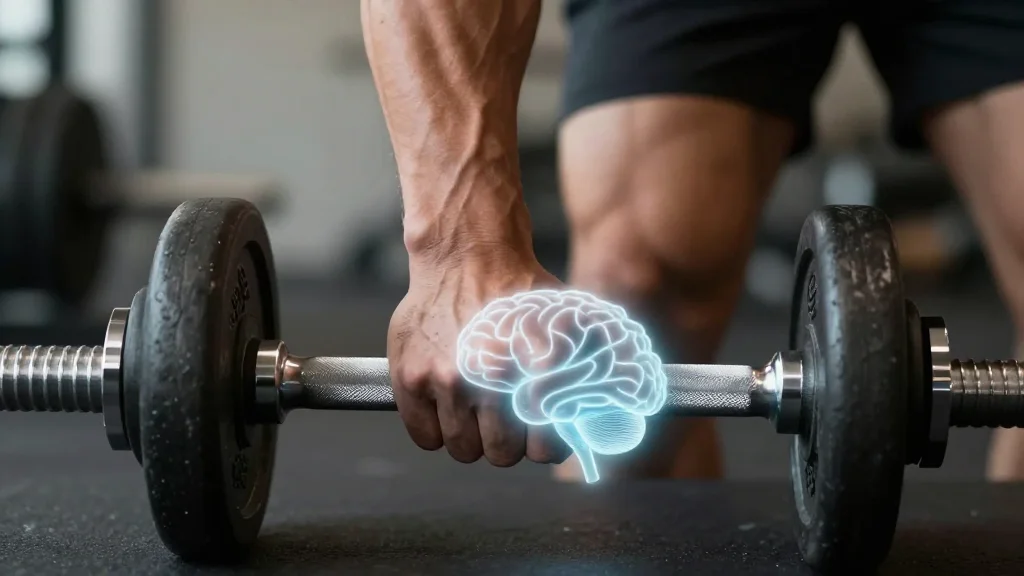
Smarter Men Possess More Masculine Body Shapes but Report Fewer Casual Sex Partners
Why It Matters
The findings challenge the assumption that intelligence directly boosts mating success, highlighting a trade‑off between cognitive ability and casual sexual behavior. This insight reshapes how evolutionary psychologists view the role of intelligence in modern relationship dynamics.
Key Takeaways
- •Higher IQ linked to stronger grip strength and V-shaped torso
- •Smart men reported fewer casual sexual partners
- •Findings support a general fitness factor combining mental and physical traits
- •Study sample limited to 41 college men, limiting generalizability
- •Future research should test these links in larger, diverse populations
Pulse Analysis
Evolutionary psychologists have long debated whether intelligence signals overall genetic quality. The new research adds weight to the pleiotropy argument: a single set of genes may simultaneously enhance brain function, muscular development, and body symmetry. By measuring fluid intelligence alongside grip strength and shoulder‑to‑hip ratios, the study demonstrates that smarter men tend to exhibit physical markers traditionally associated with health and vigor, reinforcing the concept of a unified fitness factor that bridges mind and body.
The behavioral side of the equation reveals a surprising twist. While higher IQ men display superior physical traits, they also report fewer casual sexual encounters. This pattern suggests that intelligence may steer males toward long‑term, monogamous partnerships rather than short‑term mating opportunities. In contemporary societies where relationship stability often translates into economic and social benefits, the ability to navigate complex social cues and sustain exclusive bonds could be an adaptive advantage for the intellectually gifted.
Caution is warranted, however, given the study's modest sample of 41 university students. Small, homogenous groups limit the ability to extrapolate findings to broader populations. Future investigations with larger, more diverse cohorts are essential to confirm whether the observed links hold across cultures, age groups, and socioeconomic strata. If validated, these insights could inform fields ranging from public health—by linking cognitive training to physical well‑being—to relationship counseling, where understanding the interplay between intellect and mating preferences may improve therapeutic outcomes.
Smarter men possess more masculine body shapes but report fewer casual sex partners
Comments
Want to join the conversation?
Loading comments...