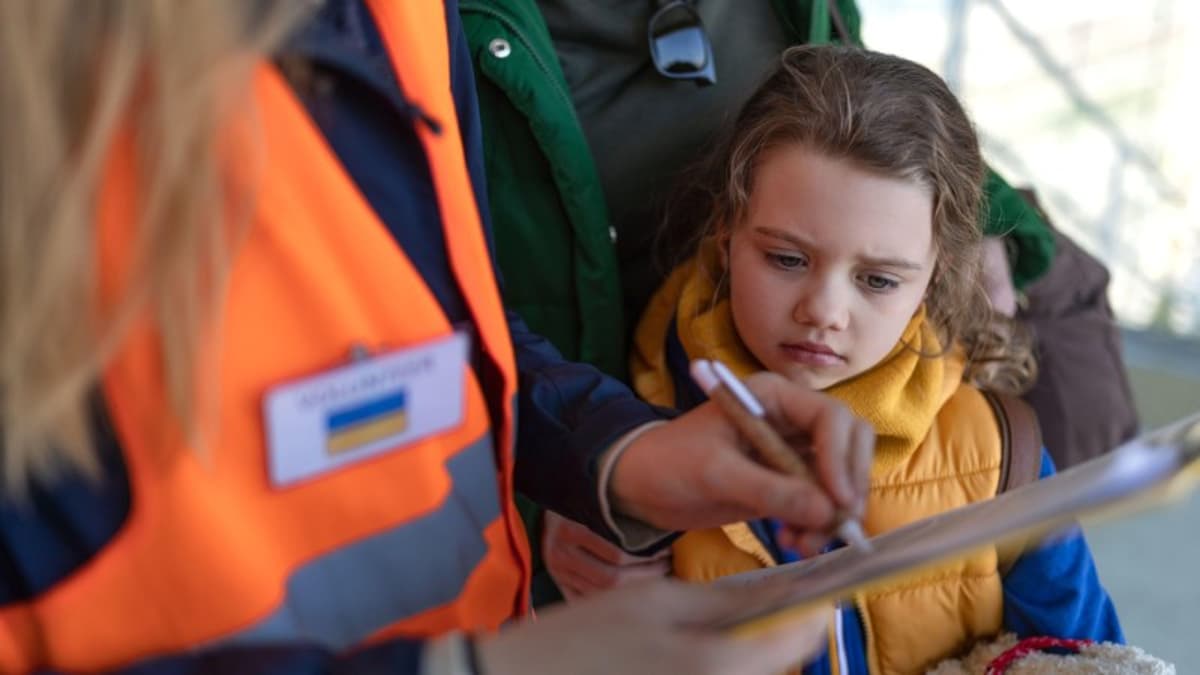
Snippets of Hair May Expose Chronic Stress in War Refugees
Why It Matters
Accurate stress detection enables targeted mental‑health interventions for refugees, potentially reducing long‑term psychiatric burden. It also informs policymakers on resource allocation for displaced populations.
Key Takeaways
- •Hair cortisol reveals higher stress in directly exposed refugees
- •Surveys showed similar stress across exposure groups
- •Children’s cortisol 46% higher when directly exposed
- •Biological sampling challenges limit large‑scale refugee studies
- •Combined biomarkers and tailored questionnaires could improve assessments
Pulse Analysis
The influx of Ukrainian refugees into Poland after Russia’s 2022 invasion has strained traditional mental‑health screening tools. Standard questionnaires, while easy to administer, often miss nuanced stressors unique to displaced populations, leading to under‑identification of those at greatest risk. As humanitarian agencies grapple with limited resources, the need for objective, scalable indicators of chronic stress becomes increasingly urgent, prompting researchers to explore physiological metrics that can complement self‑report data.
Hair cortisol analysis offers a window into an individual’s cumulative stress exposure over weeks to months, bypassing the moment‑to‑moment fluctuations that can confound blood or saliva tests. In the recent study, children aged six to seventeen who fled directly from combat zones exhibited average cortisol concentrations of 12.5 pg/mg, markedly higher than the 8.6 pg/mg observed in peers with indirect exposure. This biochemical disparity persisted despite questionnaire responses suggesting comparable stress levels across groups, underscoring the biomarker’s sensitivity to trauma intensity. However, collecting hair samples in transient refugee camps presents logistical hurdles, from cultural sensitivities to the need for specialized laboratory processing.
Looking ahead, experts advocate for a hybrid assessment model that merges hair cortisol data with newly validated, refugee‑specific questionnaires. Such an approach could sharpen diagnostic accuracy, allowing clinicians and aid organizations to prioritize interventions for those most vulnerable to depression, anxiety, or post‑traumatic stress disorder. Policymakers could leverage these insights to allocate funding more efficiently, supporting community‑based mental‑health programs and training frontline workers in biomarker collection. Ultimately, integrating biological and psychosocial metrics promises a more comprehensive understanding of refugee well‑being, fostering evidence‑based strategies that mitigate the long‑term health impacts of war displacement.
Snippets of hair may expose chronic stress in war refugees
Comments
Want to join the conversation?
Loading comments...