Soil Type and Wastewater Contaminants Drive Antibiotic Resistance Genes, Mobile Genetic Elements, and Bacterial Communities in Soil, Cilantro Rhizosphere, and Phyllosphere
Why It Matters
Elevated ARGs and resistant pathogens in food crops threaten public health and could compromise soil fertility, urging stricter wastewater reuse regulations.
Key Takeaways
- •Antibiotic‑spiked wastewater boosts ARG and MGE levels in soil
- •Leptosol soils retain more resistance genes than Vertisols
- •Treated wastewater produced 3GCR Citrobacter freundii isolates
- •Rhizosphere bacterial communities shift most due to wastewater contaminants
Pulse Analysis
Worldwide, the reuse of municipal wastewater for irrigation is expanding as water scarcity intensifies, yet the practice introduces a cocktail of antibiotics, disinfectants, and resistant microbes into the soil. This influx fuels the spread of antimicrobial resistance (AMR) beyond clinical settings, embedding resistance genes in the very ecosystems that produce our food. Researchers have therefore turned to controlled column studies to isolate the variables that most influence the resistome—the collection of antibiotic resistance genes—within agricultural soils and the plant microbiome.
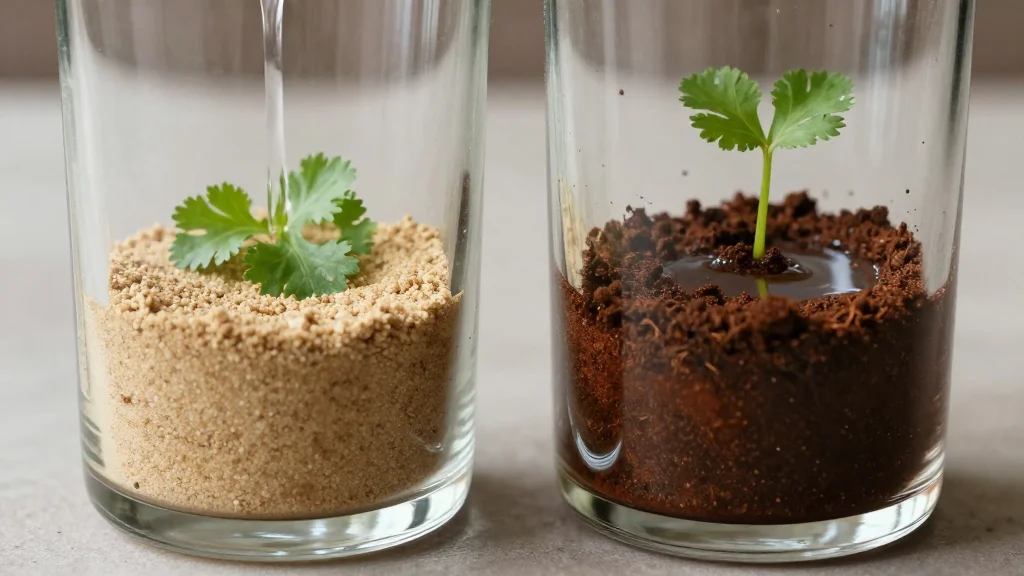
In a recent experiment, scientists planted cilantro in monoliths of two contrasting soils—sandy Leptosol and clay‑rich Vertisol—and irrigated them for eight weeks with either untreated or treated wastewater, with some treatments spiked with representative antibiotics and disinfectants. Quantitative PCR and 16S rRNA sequencing revealed that spiked wastewater dramatically increased the abundance of class 1 integrons, sulfonamide, tetracycline, erythromycin and fluoroquinolone resistance genes, especially along preferential flow paths and in the rhizosphere. Leptosol consistently harbored higher ARG and mobile genetic element loads than Vertisol, while only the treated‑wastewater plots yielded a third‑generation‑cephalosporin‑resistant Citrobacter freundii isolate.
The study underscores that the chemical composition of irrigation water, rather than its treatment status alone, reshapes both the resistome and the bacterial community structure of crops. For growers, this translates into a heightened risk of contaminating edible plant surfaces with resistant bacteria, potentially entering the food chain. Policymakers may need to tighten standards for antibiotic residues in reclaimed water and promote advanced treatment technologies that remove micropollutants. Ongoing monitoring of soil‑plant microbiomes will be essential to safeguard public health while maintaining the benefits of wastewater reuse in sustainable agriculture.
Soil type and Wastewater Contaminants drive Antibiotic Resistance Genes, Mobile Genetic Elements, and Bacterial Communities in Soil, Cilantro Rhizosphere, and Phyllosphere
Comments
Want to join the conversation?
Loading comments...