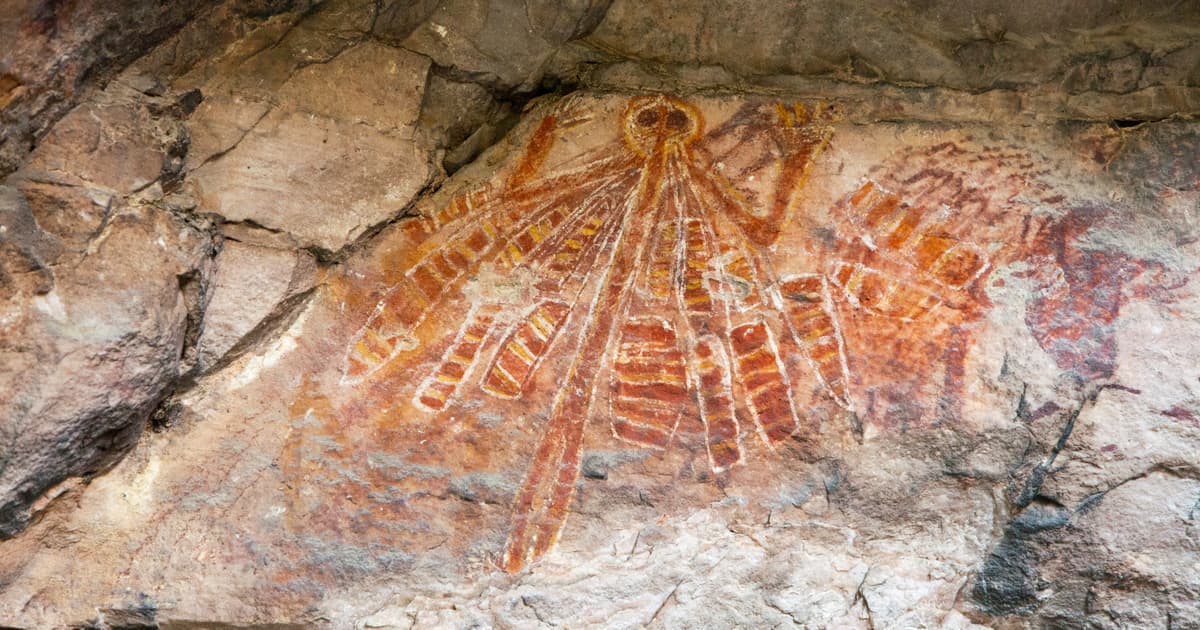
Some Australian Aboriginal Stories May Remember Coastlines that Vanished Beneath the Sea over 10,000 Years Ago. Researchers Think They Could Be Among Humanity’s Oldest Surviving True Stories.
Why It Matters
If validated, these stories would constitute some of the world’s oldest verifiable oral records, reshaping our understanding of cultural memory and deep‑time climate awareness. The debate also informs how indigenous knowledge can contribute to modern environmental and risk‑assessment frameworks.
Key Takeaways
- •Researchers date Aboriginal flood myths to 7,000‑13,000 years ago
- •Method links story details to post‑glacial sea‑level curves
- •Critics argue oral traditions rarely survive beyond a millennium
- •Error‑correction mechanisms may preserve narratives across 300 generations
- •Findings could reshape understanding of deep‑time cultural memory
Pulse Analysis
The claim that Australian Aboriginal flood myths preserve memories of coastlines lost to rising seas after the last Ice Age has sparked interdisciplinary interest. By extracting the minimum water depth implied in each tale and aligning it with well‑established sea‑level rise curves, Nunn and Reid produced a plausible chronological window of 7,250 to 13,070 years ago. This approach bridges anthropology, geology, and linguistics, offering a novel way to test oral histories against physical evidence. While the methodology is inventive, it hinges on the assumption that the stories are literal observations rather than later mythic reinterpretations.
Skeptics, including folklorist David Henige and archaeologist Peter Hiscock, caution that oral traditions typically degrade after a few centuries, reshaped by performance, external contact, and sociopolitical forces. Without independent corroboration—such as archaeological layers directly tied to the narratives—the proposed dates remain speculative. Nonetheless, the researchers point to the geographic spread of similar flood motifs across the continent as evidence against independent invention, suggesting a shared experiential basis. The debate underscores a broader scholarly tension: balancing respect for indigenous knowledge systems with rigorous evidentiary standards.
Beyond academic curiosity, the discussion has practical implications. Recognizing that deep‑time oral records can encode environmental change may enrich climate‑adaptation strategies, especially for coastal planning and disaster risk reduction. Companies operating in Australia’s resource and infrastructure sectors could integrate such indigenous insights into long‑term scenario modeling. Moreover, the controversy highlights the value of collaborative research frameworks that honor cultural custodians while applying scientific validation, a model increasingly relevant in global sustainability and ESG initiatives.
Some Australian Aboriginal stories may remember coastlines that vanished beneath the sea over 10,000 years ago. Researchers think they could be among humanity’s oldest surviving true stories.
Comments
Want to join the conversation?
Loading comments...