Why It Matters
The episode highlights how sensational visuals can distort public understanding of scientific research, underscoring the need for accurate communication about radiation effects on wildlife.
Key Takeaways
- •250 dogs roam the plant; 225 live in nearby city
- •Genetic studies show divergence but not directly linked to radiation
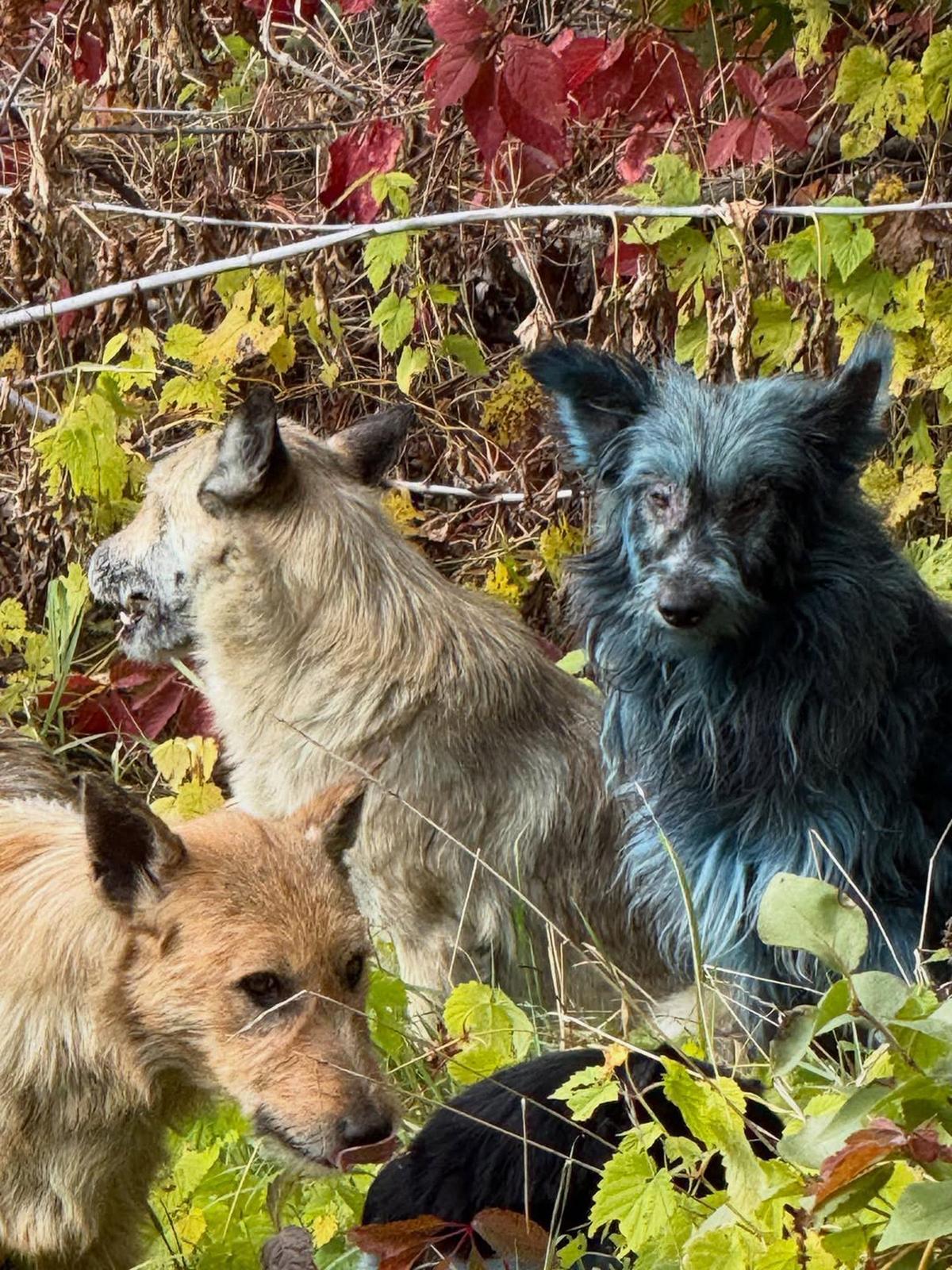
- •Blue hue caused by dogs rolling in leaking porta‑potty dye
- •Dogs remain active and healthy despite decades of radiation
- •Viral images can mislead public about wildlife mutation
Pulse Analysis
The Chernobyl Exclusion Zone has become a natural laboratory for researchers probing the long‑term impacts of radiation on living organisms. Among the most studied subjects are the feral dogs that inherited abandoned pets after the 1986 disaster. Genomic analyses have revealed subtle divergences from mainland European dog populations, yet scientists caution that these differences likely stem from genetic drift in an isolated community rather than direct mutagenic effects of radiation. This nuanced view challenges the simplistic narrative that all life in the zone is grotesquely mutated.
In late 2025, social media users were startled by footage of three Chernobyl dogs sporting an unmistakable blue coat. The striking hue sparked headlines suggesting a visual confirmation of radiation‑driven evolution. However, investigators from the Clean Futures Fund quickly traced the coloration to a leaking porta‑potty that released blue dye, which the dogs rolled in while foraging. The incident underscores how viral imagery can outpace scientific verification, leading to misinformation that distracts from genuine research findings about resilience and adaptation in contaminated environments.
Accurate storytelling matters for both the scientific community and the public. While the dogs appear healthy and continue to thrive, their presence offers valuable data on how mammals cope with chronic low‑dose exposure, informing medical and ecological risk assessments worldwide. Misinterpretations, like the blue‑dog saga, risk eroding trust in legitimate studies and may fuel sensationalist myths about nuclear fallout. Clear, evidence‑based communication ensures that the real lessons—about genetic drift, disease resistance, and ecosystem recovery—receive the attention they deserve.
Some Dogs at Chernobyl Have Turned Blue
Comments
Want to join the conversation?
Loading comments...