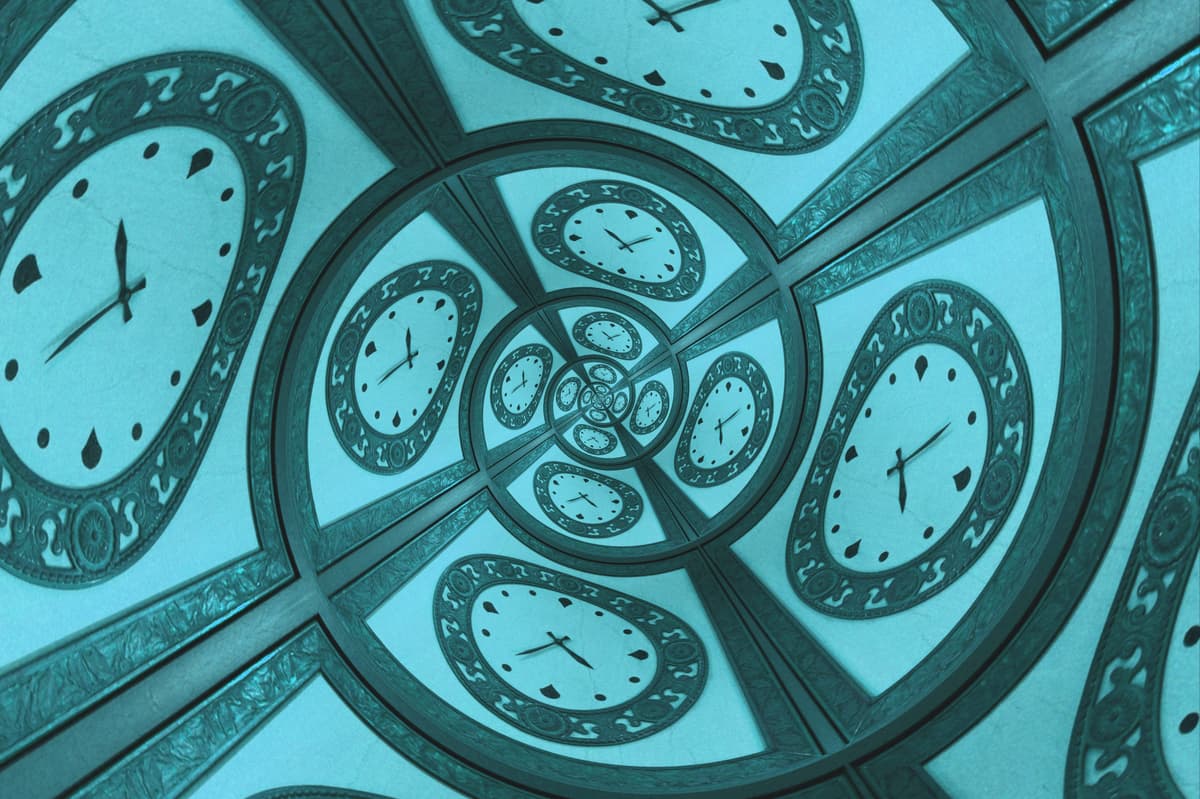
Some People Can ‘See’ Time, Thanks to This Hidden Superpower—And It’s Quietly Shaping Their Perception
Why It Matters
Understanding synesthesia offers a window into how the brain integrates sensory information, informing research on creativity, memory, and neurodiversity. Insights could eventually guide novel approaches to education and cognitive training.
Key Takeaways
- •Time‑space synesthesia lets individuals visualize dates as spatial layouts
- •Around 4% of people, over 330 million, experience some form of synesthesia
- •Researchers debate whether synesthesia stems from disinhibited pathways or extra neural connections
- •Synesthetes often show heightened visual imagery and creativity, aiding tasks like planning
- •No diagnostic test exists; self‑report and drawing tasks remain primary identification methods
Pulse Analysis
Synesthesia, the blending of senses, has fascinated scientists for centuries, but time‑space synesthesia remains one of the most visually striking variants. In this form, months may appear as an oval surrounding the mind, while days shift left or right like a mental calendar. Estimates suggest that about four percent of people worldwide—roughly 330 million—experience at least one synesthetic crossover, ranging from seeing colors when hearing music to visualizing dates as three‑dimensional shapes. This prevalence underscores that synesthetic perception is a common, though often unrecognized, facet of human cognition.
Neuroscientists are divided over why synesthesia occurs. One camp argues that all brains possess latent connections between sensory regions that are typically inhibited; certain triggers—sensory deprivation or psychoactive substances—can temporarily lift this inhibition, producing synesthetic experiences. A competing view posits that synesthetes develop additional white‑ and gray‑matter pathways during early development, creating permanent cross‑modal links. Imaging studies support both ideas, revealing heightened connectivity in visual‑parietal networks among synesthetic individuals. The debate highlights broader questions about brain plasticity and the genetic factors that may predispose some people to richer sensory integration.
Beyond academic intrigue, synesthesia has practical implications. Many synesthetes report enhanced creativity, vivid visual imagery, and superior memory for dates and sequences—traits that can translate into real‑world advantages such as more efficient time management or artistic innovation. While no clinical test exists, self‑report questionnaires and drawing tasks remain the primary tools for identification. As researchers continue to map the neural architecture of synesthesia, the findings could inform educational strategies that leverage multisensory learning and inspire technologies that mimic the brain’s natural cross‑modal processing.
Some People Can ‘See’ Time, Thanks to This Hidden Superpower—And It’s Quietly Shaping Their Perception
Comments
Want to join the conversation?
Loading comments...