Spaceflight Leaves Astronauts' Joints Unchanged After 18 Days on ISS, Early Data Suggest
Companies Mentioned
Why It Matters
The results reassure space agencies that brief missions may not jeopardize joint integrity, while demonstrating a scalable imaging method that can guide countermeasures on longer voyages and inform Earth‑based medical care.
Key Takeaways
- •No measurable joint degradation after 18‑day ISS mission.
- •Ultrasound proved effective for real‑time joint monitoring in space.
- •Small sample size limits conclusions for longer lunar or Mars trips.
- •Exercise and anti‑inflammatory meds likely helped preserve joint health.
- •Findings may translate to Earth patients with immobilization risks.
Pulse Analysis
Microgravity poses a unique challenge to musculoskeletal health, with prolonged weightlessness historically linked to bone loss and muscle atrophy. Joint integrity, however, has been less understood, raising concerns for both short and long missions. As commercial and governmental entities plan lunar gateways and Mars expeditions, reliable diagnostics that operate in the constrained environment of a spacecraft are essential to prevent debilitating injuries that could jeopardize mission success.
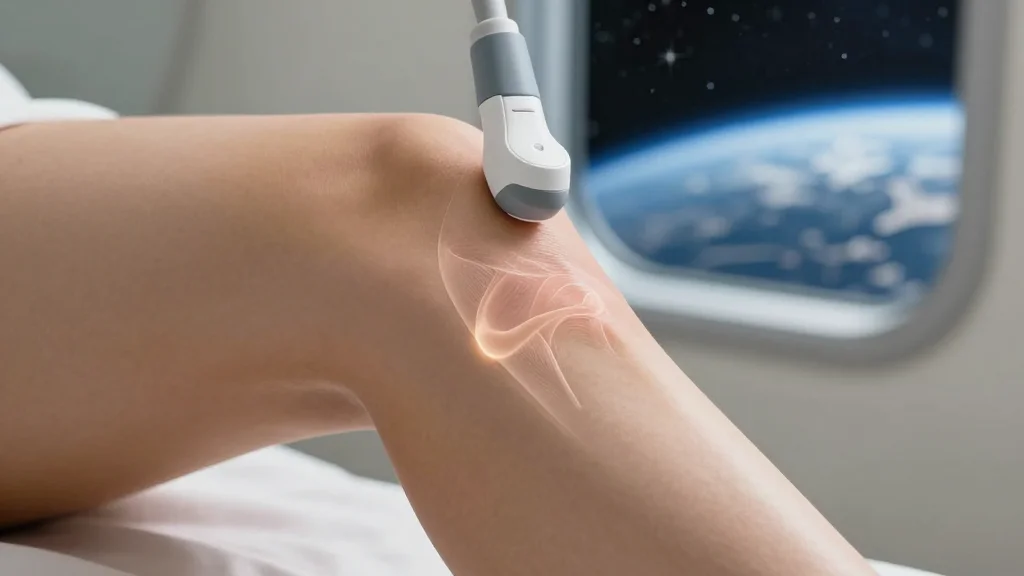
The National Jewish Health team leveraged high‑resolution musculoskeletal ultrasound—a lightweight, radiation‑free modality—to capture quantitative measurements of cartilage thickness, synovial fluid volume, and tendon‑ligament dimensions within hours of the astronauts' return. Across hips, knees and ankles, the data revealed no significant structural changes after the 18‑day flight, underscoring the protective effect of in‑flight cycling protocols and prophylactic anti‑inflammatory medication. By demonstrating that ultrasound can deliver actionable, real‑time insights, the study paves the way for personalized exercise regimens and early‑intervention strategies that can be adjusted mid‑mission.
While the pilot’s three‑subject cohort limits extrapolation to multi‑month voyages, the methodology offers a scalable template for continuous health monitoring on future deep‑space habitats. Moreover, the same portable imaging approach holds promise for terrestrial patients confined to bed rest, post‑operative recovery, or chronic joint disorders, potentially accelerating diagnosis and treatment. Ongoing research will need larger sample sizes and longer exposure periods to confirm whether joint preservation persists on lunar or Martian trips, but the current findings mark a pivotal step toward safeguarding astronaut mobility and extending biomedical innovations to Earth.
Spaceflight leaves astronauts' joints unchanged after 18 days on ISS, early data suggest
Comments
Want to join the conversation?
Loading comments...