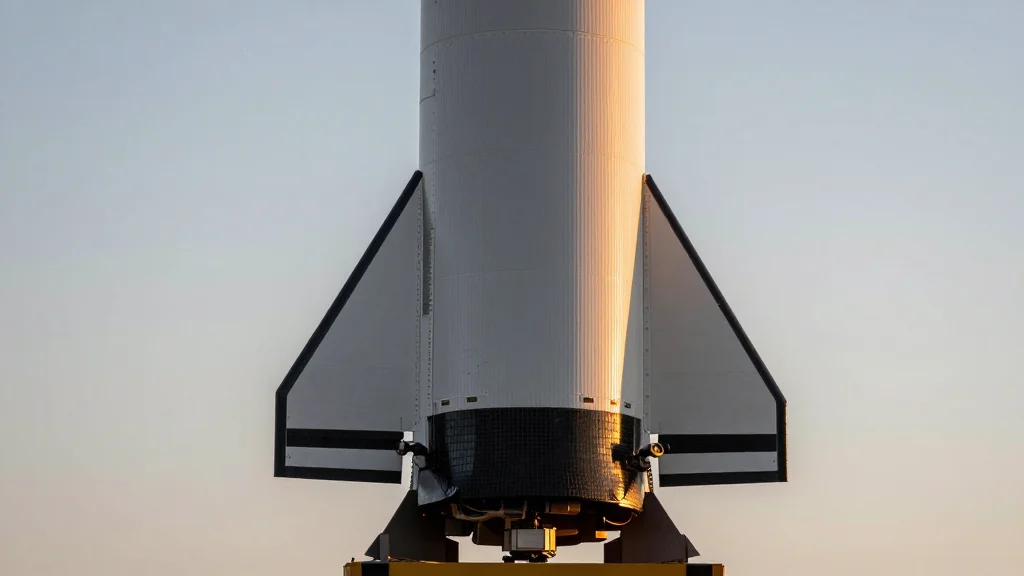
SpaceX Will Reuse Cargo Dragon a Sixth Time on Upcoming Launch to ISS
Companies Mentioned
Why It Matters
Repeated use of the same Dragon capsule drives down launch costs and validates commercial logistics for future low‑Earth‑orbit research platforms. The payloads advance health and space‑weather science critical to both Earth and deep‑space missions.
Key Takeaways
- •Cargo Dragon capsule reaches sixth flight, a record for ISS cargo resupply
- •CRS‑34 carries ~3,000 kg of science payloads to the ISS
- •Experiments include ODYSSEY bacterial study, Green Bone bone‑cell growth, STORIE particle imaging
- •NASA will shift LEO research to commercial stations after 2031 ISS deorbit
- •Launch window 7:16 p.m. ET Tuesday; backup Wednesday if scrubbed
Pulse Analysis
SpaceX’s sixth flight of a single Cargo Dragon capsule underscores the commercial sector’s growing confidence in reusability. By refurbishing the same vehicle for multiple missions, SpaceX trims per‑launch expenses and shortens turnaround times, echoing the cost‑saving ethos that once defined the Space Shuttle program but with far greater efficiency. This milestone also reassures NASA and other customers that a single hardware platform can reliably support a steady cadence of cargo deliveries, a key factor as the agency prepares for the ISS’s eventual retirement.
The CRS‑34 manifest highlights the strategic value of microgravity research. ODYSSEY probes how bacterial biofilms adapt in space, informing sterilization protocols that protect astronaut health on long‑duration flights. The Green Bone experiment seeks to grow human bone cells on engineered rattan, aiming to combat osteoporosis and accelerate bone healing—findings that could translate to terrestrial medicine. Meanwhile, NASA’s STORIE instrument will monitor charged particles that threaten power grids and satellite operations, delivering data essential for both space weather forecasting and the design of resilient infrastructure.
Looking ahead, the ISS is slated for deorbit in 2031, prompting NASA to transition low‑Earth‑orbit research to emerging commercial stations. Reliable cargo services like Dragon become the logistical backbone for that shift, ensuring continuous scientific output without interruption. As private habitats mature, the economics of reusable launch vehicles will shape the competitive landscape, driving down costs for research, tourism, and eventually, deep‑space exploration.
SpaceX will reuse Cargo Dragon a sixth time on upcoming launch to ISS
Comments
Want to join the conversation?
Loading comments...