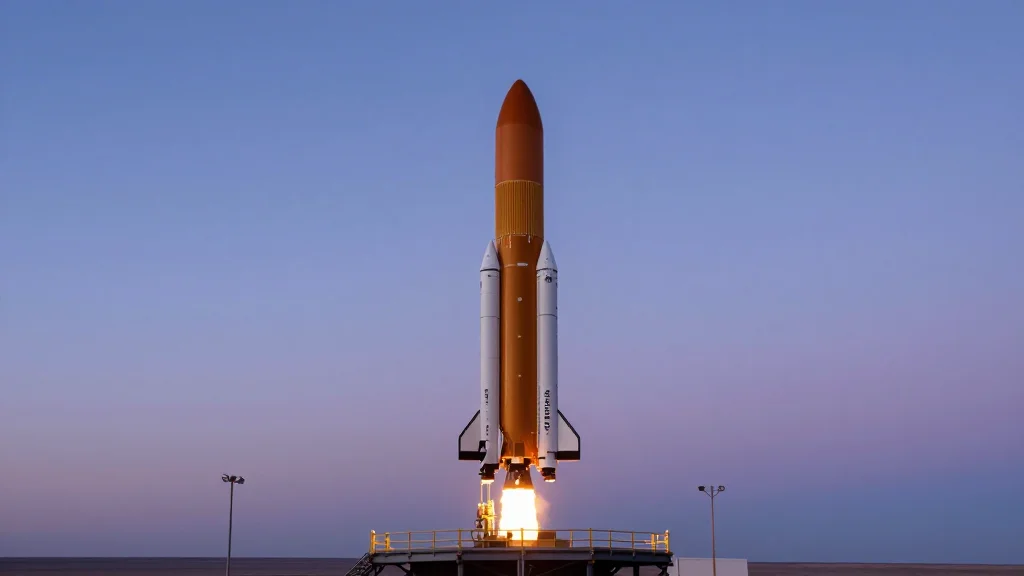
SpaceX’s Starship V3 Completes Inaugural Flight, Achieves Controlled Splashdown

Companies Mentioned
Why It Matters
The Starship V3 flight validates critical technologies—Raptor 3 engines, hot‑stage separation, and advanced thermal protection—that are essential for SpaceX’s vision of fully reusable launch vehicles. Successful payload deployment and splashdown prove that the vehicle can handle commercial satellite missions, potentially reshaping the economics of low‑Earth orbit access. Moreover, the flight’s software resilience in the face of engine anomalies showcases a level of autonomy that could set new industry standards for safety and reliability. If SpaceX can perfect propulsive landings for both booster and upper stage, launch costs could fall dramatically, accelerating the deployment of large satellite constellations and enabling more ambitious deep‑space missions. The data gathered from this inaugural flight will inform design refinements that may give SpaceX a decisive edge over emerging competitors in the heavy‑lift market.
Key Takeaways
- •Starship V3 lifted off from Starbase, Texas at 6:30 p.m. EDT on May 22, 2026
- •Early shutdown of several Raptor 3 engines was compensated by flight software
- •Payload doors opened in orbit, releasing a dummy cargo for satellite‑delivery testing
- •Vehicle performed a controlled vertical splashdown in the Gulf of Mexico after >1 hour flight
- •In‑space engine relight was cancelled to prioritize thermal‑protection validation
Pulse Analysis
SpaceX’s inaugural Starship V3 flight represents a watershed for commercial heavy‑lift capability, but the true significance lies in the incremental validation of systems that have historically plagued reusable rockets. The early engine shutdowns, while a setback, highlighted the maturity of SpaceX’s autonomous flight software—a factor that could become a differentiator as other firms chase similar reusability goals. Companies like Blue Origin and Relativity Space have demonstrated partial reusability, yet they have not yet integrated a software layer capable of real‑time engine compensation at this scale.
Thermal protection has been the Achilles’ heel of previous Starship prototypes, with several high‑profile failures traced to heat‑shield issues. This flight’s successful navigation of peak heating, captured on onboard video, suggests that the new tile layout and material composition are on the right track. If subsequent missions confirm these findings, SpaceX could dramatically shorten the refurbishment cycle, driving down per‑launch costs from the current $2‑3 million range toward the $500,000 target that Musk has long touted.
Looking ahead, the next test—an attempted propulsive landing of the upper stage—will be the litmus test for true full‑reusability. A successful landing would not only validate the vehicle’s design but also open a new revenue stream: rapid‑turnaround, point‑to‑point cargo delivery for both government and commercial customers. The industry is watching closely; a proven, fully reusable heavy‑lift system could shift the balance of power in the satellite launch market, pressuring legacy providers to accelerate their own reusability programs or risk obsolescence.
SpaceX’s Starship V3 completes inaugural flight, achieves controlled splashdown
Comments
Want to join the conversation?
Loading comments...