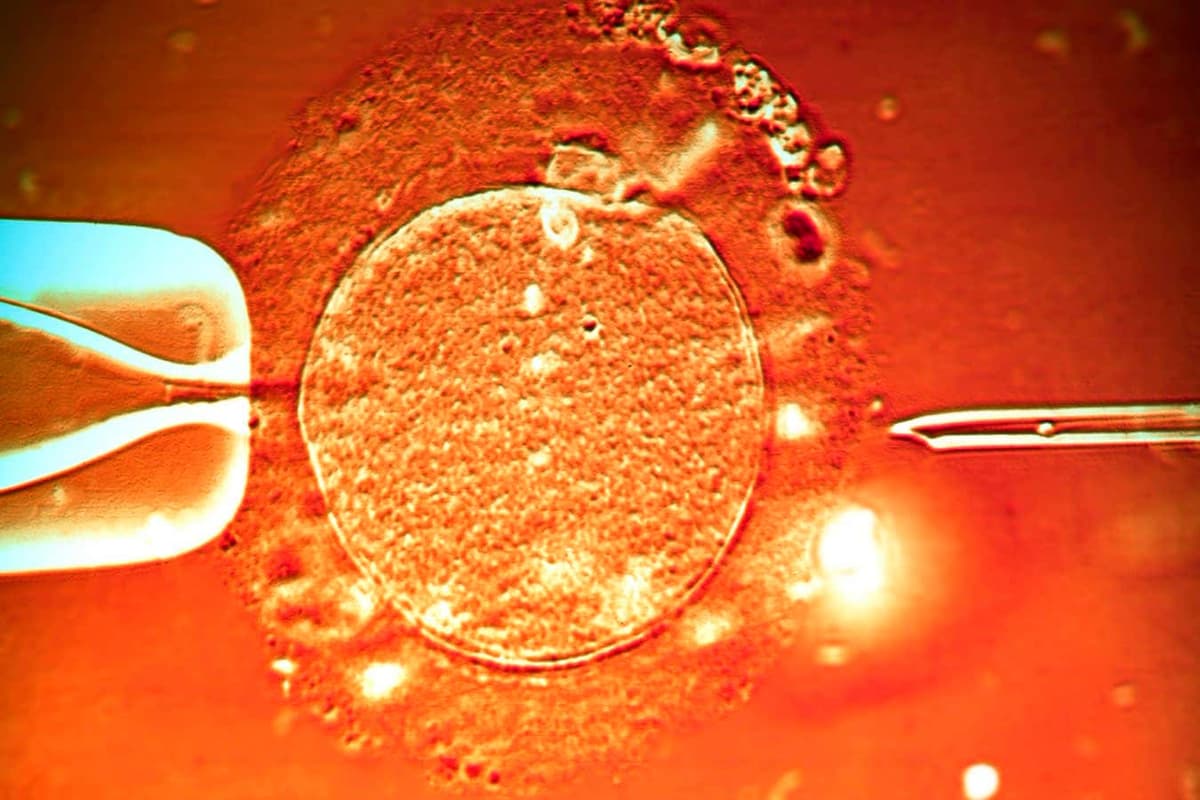
Sperm Have Been Made Magnetic to Allow IVF Inside the Body
Why It Matters
In‑vivo IVF could streamline fertility treatment, lowering costs and improving success rates while minimizing patient discomfort. The breakthrough also opens new commercial avenues for reproductive‑technology firms.
Key Takeaways
- •Magnetic coating enables remote steering of sperm toward eggs
- •In‑vivo IVF could reduce need for lab fertilization steps
- •Potentially lowers procedural invasiveness and improves patient comfort
- •Technology still faces safety validation and regulatory approval hurdles
Pulse Analysis
The concept of magnetic sperm builds on advances in nanomaterials that can be functionalized without compromising cell viability. By attaching biocompatible magnetic nanoparticles to the sperm membrane, researchers can manipulate their trajectory using external magnetic fields, a technique previously demonstrated in targeted drug delivery. This precision control not only facilitates the meeting of sperm and egg inside the uterus but also reduces the reliance on complex laboratory environments, potentially cutting down the time and resources required for conventional IVF cycles.
From a clinical perspective, performing fertilization in‑vivo could address several pain points of current assisted‑reproduction protocols. Traditional IVF involves hormonal stimulation, egg retrieval, laboratory fertilization, and embryo transfer, each step carrying risks and costs. An in‑body approach would eliminate the need for egg handling and embryo culture, decreasing the exposure to laboratory‑induced stressors and possibly improving embryo quality. Moreover, patients could experience fewer invasive procedures, translating into faster recovery times and greater overall satisfaction.
However, the path to market adoption is fraught with challenges. Safety validation must confirm that magnetic particles do not impair sperm DNA integrity or trigger adverse immune responses. Regulatory bodies will require extensive pre‑clinical and clinical data to assess long‑term outcomes for both parents and offspring. If these hurdles are cleared, the technology could reshape the fertility market, prompting established IVF clinics and biotech startups alike to invest in magnetic‑assisted reproductive solutions, driving competition and innovation across the sector.
Sperm have been made magnetic to allow IVF inside the body
Comments
Want to join the conversation?
Loading comments...