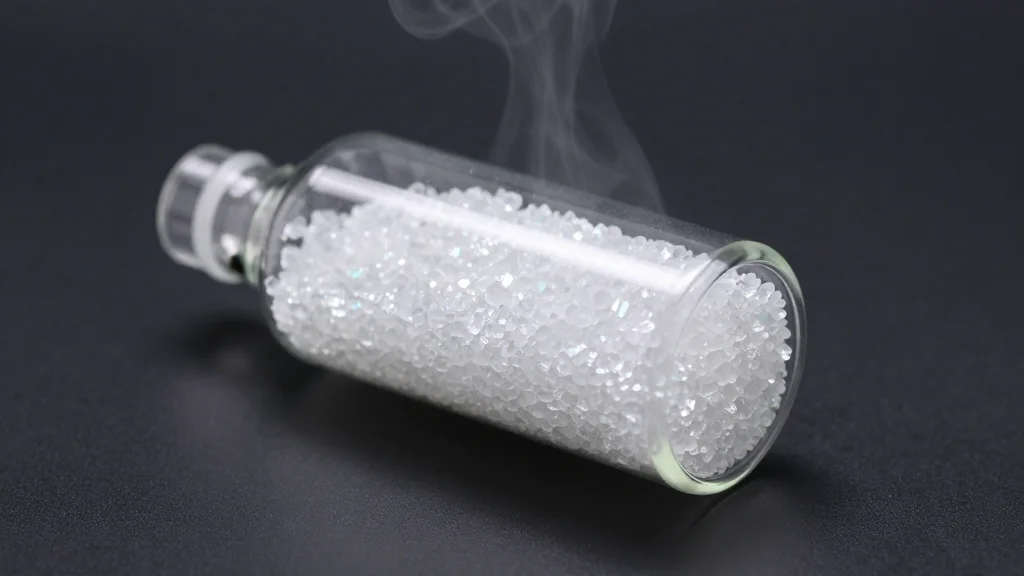
Startup's Squeezable Solid Could Upend Cooling and Refrigeration
Why It Matters
Replacing conventional refrigerants with Barocal’s solid‑state solution could slash global cooling energy demand while removing a major source of greenhouse‑gas emissions, reshaping the HVAC market.
Key Takeaways
- •Barocal raised $10 million to commercialize solid‑state refrigerant.
- •Plastic‑crystal material shifts temperature 90 °F (50 °C) under pressure.
- •Could replace greenhouse‑gas refrigerants in refrigerators and HVAC systems.
- •Barocal targets market‑ready cooling product within three years.
- •Adoption may cut global cooling energy use and emissions.
Pulse Analysis
The barocaloric effect, first observed in certain plastic crystals, enables a solid‑state refrigerant that stores thermal energy when its molecular rotation is unrestricted and releases it under compression. Unlike traditional vapor‑compression cycles that rely on hydrofluorocarbon gases, Barocal’s material operates without phase changes, eliminating leakage risks and the associated ozone‑depletion potential. This breakthrough aligns with a growing industry push toward climate‑friendly cooling technologies, offering a pathway to higher coefficient of performance and quieter system designs.
Across the cooling sector, manufacturers are racing to replace high‑global‑warming‑potential refrigerants mandated by recent regulations in Europe and North America. Barocal joins a cohort of research groups—from Harvard’s solid‑state labs to European consortia—seeking scalable alternatives. If the company can translate laboratory performance into durable, cost‑effective modules, it could capture a sizable share of the $150 billion global refrigeration market, which is projected to grow as emerging economies expand their cooling infrastructure. The environmental upside is equally compelling: eliminating billions of kilograms of refrigerant gases could reduce annual emissions by an estimated 0.5 gigatonnes of CO₂‑equivalent.
Barocal’s recent $10 million funding round, added to earlier grants and prize money, positions it to move from prototype to pilot‑scale production. Key hurdles remain, including integrating the solid material into compact heat exchangers, managing thermal cycling durability, and achieving competitive pricing against mature compressor‑based systems. The company’s three‑year timeline for a market‑ready product suggests a near‑term impact on commercial‑grade HVAC and appliance manufacturers eager to meet stricter climate standards. Successful commercialization would not only validate the barocaloric approach but also accelerate the broader transition toward sustainable, energy‑efficient cooling solutions.
Startup's squeezable solid could upend cooling and refrigeration
Comments
Want to join the conversation?
Loading comments...