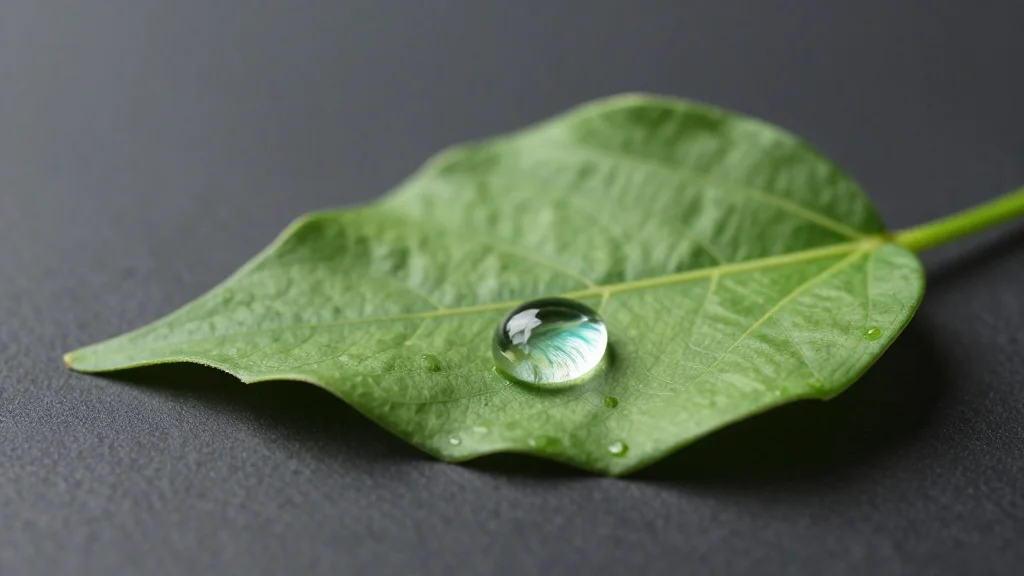
Stick-On Gel Delivers Drugs Directly to Plants to Clear Infections Quickly
Why It Matters
The technology offers rapid, low‑volume disease control that cuts pesticide waste and supports precision agriculture, while opening new pathways for plant monitoring, bio‑manufacturing, and human‑plant interfaces.
Key Takeaways
- •Adhesive gel merges polyacrylamide flexibility with chitosan plant affinity
- •Antibiotic‑loaded patches eliminated a bacterial infection in 48 hours
- •Quantum‑dot cargo traveled through plant vasculature within four hours
- •Gel adheres to diverse leaf textures and survives rain exposure
- •Enables targeted, low‑volume agrochemical delivery and remote plant signaling
Pulse Analysis
Traditional crop protection relies on broad‑scale sprays that waste chemicals, drift into the environment, and often miss the target pathogen. A localized, adhesive delivery platform could reshape how growers combat disease, offering a more sustainable alternative that reduces input costs and regulatory pressure. The UC San Diego stick‑on gel addresses these challenges by providing a patch‑like system that sticks to any leaf surface, stays intact during rain, and releases its payload directly into plant tissue, dramatically shortening treatment cycles.
The gel’s performance stems from a hybrid polymer matrix: polyacrylamide supplies stretch and durability, while chitosan forms reversible bonds with the waxy cuticle of leaves and stems. This combination yields a transparent, conformal film that can be applied in millimeter‑sized strips yet achieve systemic distribution, as demonstrated by fluorescent quantum dots traveling through the plant’s vascular network in under four hours. In a bacterial infection model, an antibiotic‑laden patch cleared the disease within two days, showcasing both speed and efficacy compared with conventional foliar sprays.
Beyond disease control, the technology hints at a new class of plant‑centric devices. Precision delivery could enable on‑demand dosing of growth regulators, nutrients, or even gene‑editing reagents, turning crops into low‑cost bioreactors for high‑value compounds. The demonstrated electrical signaling through the gel also opens avenues for remote monitoring and actuation, potentially integrating crops into the Internet of Things or harvesting bio‑electricity for micro‑grid applications. As the agricultural sector seeks climate‑resilient, resource‑efficient solutions, such adhesive gels could become a cornerstone of next‑generation smart farming.
Stick-on gel delivers drugs directly to plants to clear infections quickly
Comments
Want to join the conversation?
Loading comments...