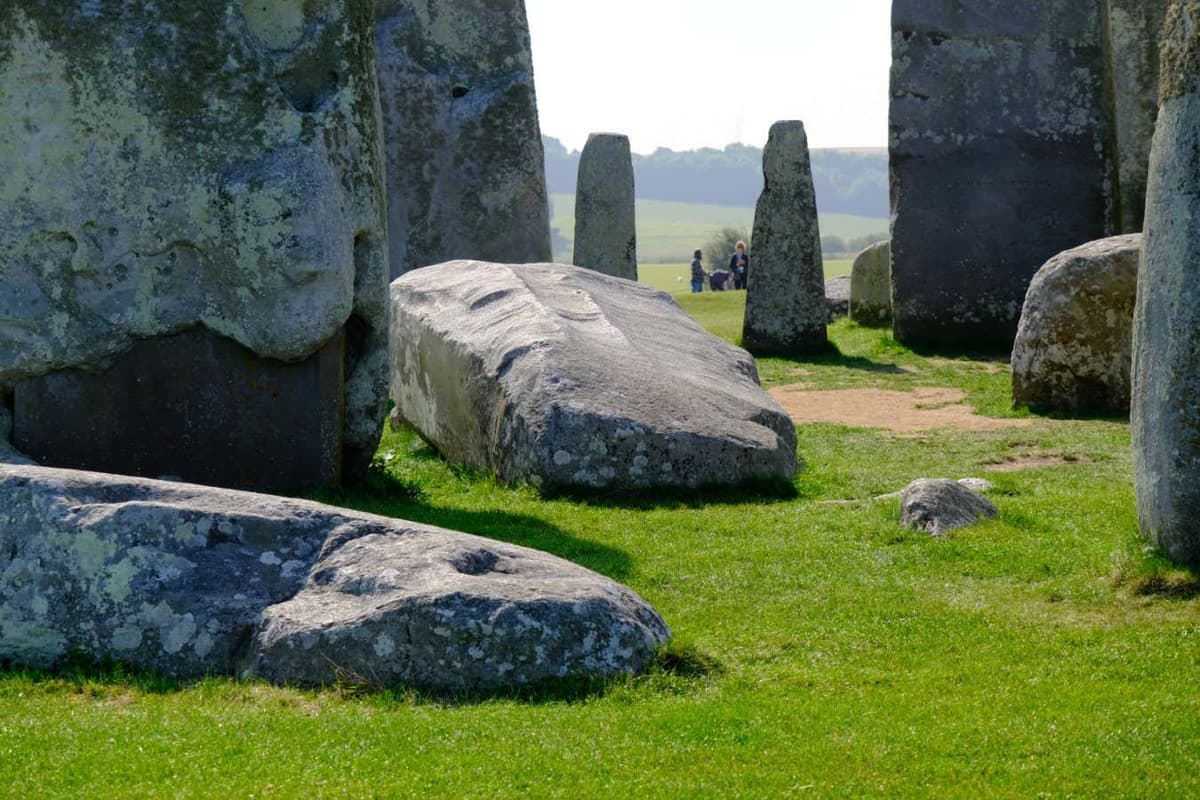
Stonehenge's Altar Stone Probably Wasn't Transported by a Glacier
Why It Matters
The finding reshapes our understanding of Neolithic logistics, highlighting the extraordinary effort ancient societies invested in monument construction. It also refines models of stone sourcing, influencing heritage preservation and tourism narratives.
Key Takeaways
- •Altar stone sourced from northeast Scotland via chemical fingerprint
- •Ice‑flow hypothesis requires unlikely series of events
- •Human transport remains most plausible explanation
- •Stone weighs ~6 tonnes, moved 750 km to Stonehenge
- •Study highlights prehistoric logistics and cultural stone selection
Pulse Analysis
The new research on Stonehenge’s altar stone adds a crucial piece to the puzzle of how Neolithic builders sourced and moved monumental material. By applying a forensic grain‑by‑grain chemical fingerprint, the team at Curtin University linked the 5‑metre sandstone to the Orcadian basin in northeast Scotland. This precise geochemical match confirms a 750‑kilometre journey, a distance that dwarfs the 25‑30‑tonne sarsen stones moved from nearby quarries, underscoring the lengths ancient peoples went to acquire specific rock types.
Glacial transport has long been a tempting explanation for moving such distant stones, especially given the last ice age’s extensive ice sheets. However, the study’s ice‑flow modelling shows that while some ice streams could have carried debris southward to Dogger Bank, the subsequent submergence of that land bridge 8,000 years ago and the three‑thousand‑year gap before Stonehenge’s construction make the scenario increasingly improbable. The researchers argue that the required cascade of events—ice moving the stone, depositing it on a now‑submerged bank, and later humans retrieving it—adds unnecessary complexity compared with a straightforward human‑driven effort.
Beyond the mechanics, the findings illuminate broader cultural dynamics. Selecting sandstone from Scotland suggests a symbolic or status‑driven motive, akin to modern preferences for exotic marble or gemstones. This intentionality reflects sophisticated trade networks, shared knowledge, and a willingness to invest years in monumental projects. For heritage professionals, the study reinforces the importance of interdisciplinary approaches—combining geochemistry, climate modelling, and archaeology—to decode ancient engineering feats, offering richer narratives for scholars and visitors alike.
Stonehenge's altar stone probably wasn't transported by a glacier
Comments
Want to join the conversation?
Loading comments...