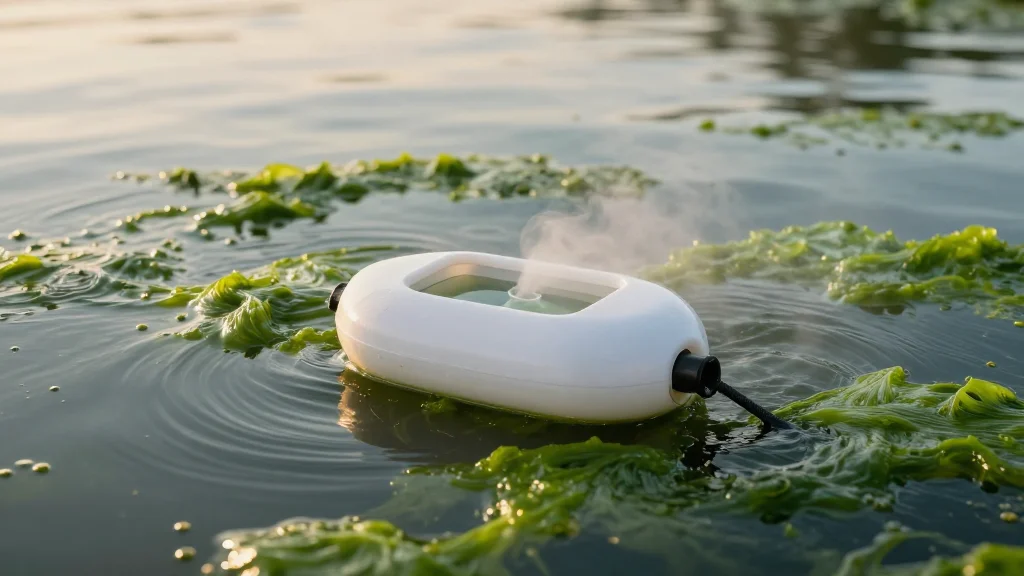
Stopping Algae Blooms with Bacteria-Busting Buoys
Why It Matters
The technology promises a cost‑effective, automated method to prevent toxic algal blooms, reducing public‑health risks and water‑treatment expenses for municipalities and water utilities.
Key Takeaways
- •Buoys release hydrogen‑peroxide algaecide steadily for weeks
- •Lab tests removed nearly all cyanobacteria in one week
- •Hydrogel disks control diffusion, indicate refill need visually
- •System could replace labor‑intensive repeated applications
- •Expected four 35‑day release cycles per buoy
Pulse Analysis
Harmful algal blooms have become a recurring crisis for freshwater systems, driven by nutrient runoff and climate‑related temperature spikes. When cyanobacteria dominate, they can produce toxins that jeopardize drinking water supplies, as witnessed during the 2014 Lake Erie incident that forced hundreds of thousands of residents to rely on bottled water. Traditional mitigation relies on repeated algaecide sprays, which are labor‑intensive, costly, and can disrupt non‑target aquatic life. The industry therefore seeks solutions that are both environmentally responsible and economically viable.
The newly patented buoy system addresses these challenges by integrating a simple PVC framework with hydrogel diffusion disks and a hydrogen‑peroxide algaecide reservoir. Once submerged, the buoy releases the chemical at a controlled rate, maintaining lethal concentrations for cyanobacteria over weeks without harming beneficial microbes. In controlled beaker experiments, the buoys achieved near‑complete cyanobacterial eradication within seven days, and the design includes a visual tilt indicator that signals when the algaecide supply is exhausted, simplifying maintenance. The modular size options—small, medium, large—allow deployment across ponds, lakes, and reservoirs of varying scales.
If scaled, this technology could transform bloom management for municipalities, agricultural runoff zones, and private water bodies. By reducing the frequency of manual applications, operators can lower labor costs and chemical usage, aligning with stricter environmental regulations and sustainability goals. Further development will focus on preventing bio‑film formation on buoy surfaces and field trials in larger water bodies. Successful commercialization could open a new market segment for automated water‑quality devices, offering investors a pathway into green infrastructure and public‑health protection.
Stopping algae blooms with bacteria-busting buoys
Comments
Want to join the conversation?
Loading comments...