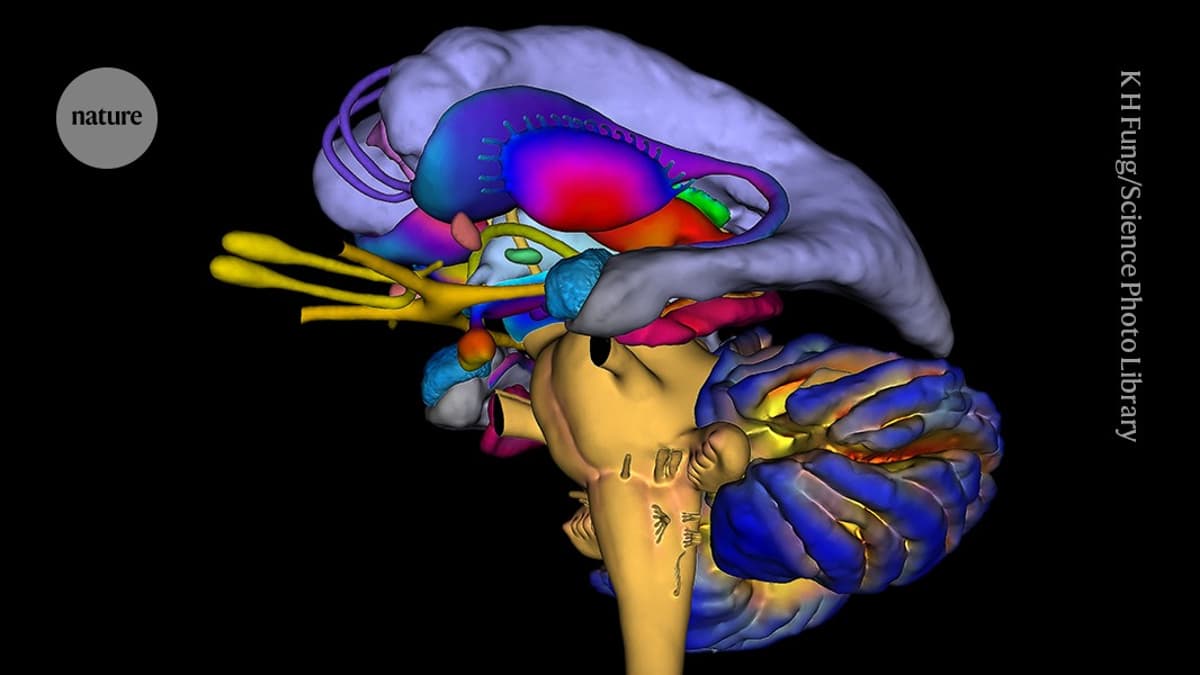
Stress Impairs Your Brain’s Ability to Link Memories — Dampening Insight
Why It Matters
Understanding stress‑induced integration failure explains reduced decision‑making quality in high‑stakes environments and informs strategies for workplaces and mental‑health interventions.
Key Takeaways
- •Acute stress reduces hippocampal integration of old and new memories
- •Mock interview stress lowered participants' ability to infer correct associations
- •Memory integration deficits may explain poor insight during high‑pressure tasks
- •Findings link stress‑induced cognitive decline to anxiety and psychosis risk
- •Brain imaging reveals disrupted connectivity between hippocampus and prefrontal cortex
Pulse Analysis
The research combined functional MRI with a clever two‑day associative memory paradigm to pinpoint how acute stress reshapes neural circuitry. Participants first learned animal‑face or animal‑scene pairs, then, after a stressor mimicking a high‑stakes interview, learned new animal‑shape pairs. When asked to match shapes with previously seen faces or scenes, the stressed group showed markedly lower accuracy, and imaging revealed diminished hippocampal activation and weaker hippocampal‑prefrontal coupling. This direct observation of stress‑related disruption offers a mechanistic bridge between physiological arousal and the cognitive lapses observed in real‑world pressure situations.
From a business perspective, the study explains why professionals often experience a "mental block" during critical negotiations, presentations, or crisis management. The hippocampus, a hub for linking episodic memories, is highly sensitive to cortisol spikes, which can blunt the brain’s inferential engine. As a result, executives may struggle to draw on prior experience when rapid judgment is required, leading to sub‑optimal decisions. Recognizing this vulnerability encourages organizations to design interview processes, high‑pressure meetings, and training programs that mitigate acute stress, such as incorporating brief recovery periods or stress‑reduction techniques.
The broader implications extend to mental‑health fields, where chronic stress and anxiety disorders already show impaired memory integration. Future research may explore pharmacological or behavioral interventions—like mindfulness, beta‑blockers, or targeted cognitive training—to restore hippocampal‑prefrontal communication. By mapping the neural signature of stress‑induced insight loss, the study paves the way for evidence‑based policies that protect cognitive performance in both corporate and clinical settings.
Stress impairs your brain’s ability to link memories — dampening insight
Comments
Want to join the conversation?
Loading comments...