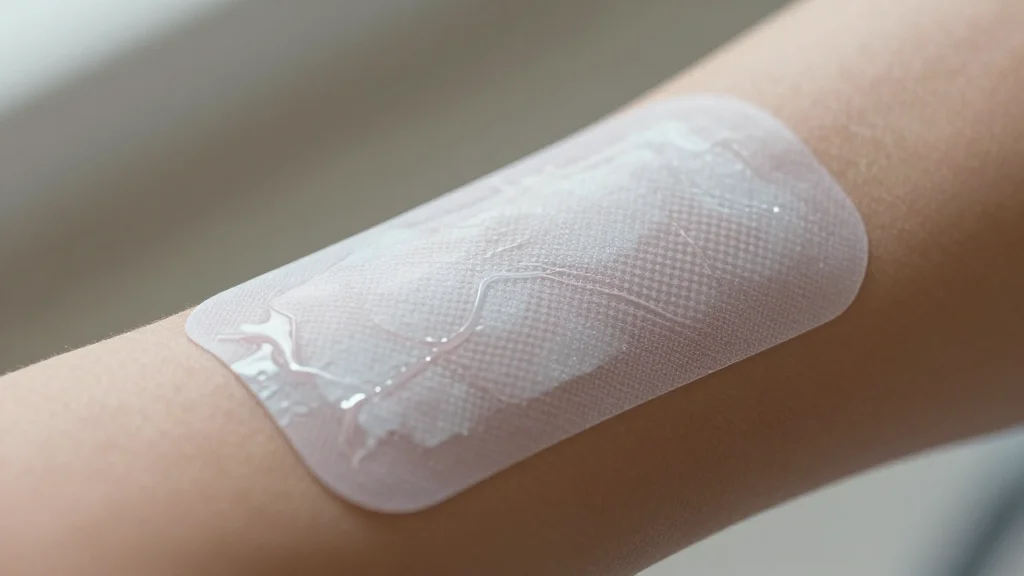
Stretchy, Soft, and Sticky: Advancing the Next Generation of Wearable and Implantable Sensors
Why It Matters
These breakthroughs address the long‑standing challenges of signal stability and tissue adhesion, paving the way for reliable, continuous monitoring and on‑demand treatment in real‑world clinical settings.
Key Takeaways
- •SIRES stretches up to 300% while preserving signal quality
- •Liquid metal–polyurethane conductors enable constant resistance under strain
- •ElHyX hydrogel adheres to wet tissue for months without surgery
- •3‑D‑printed components allow low‑cost, rapid fabrication of implantables
- •Closed‑loop ElHyX demonstrated glucose sensing and insulin‑release in animals
Pulse Analysis
The race to embed electronics directly in or on the human body has accelerated as clinicians seek continuous, real‑time data for chronic disease management. Wearable patches already track heart rate and activity, but true physiological insight requires sensors that can move with soft tissues without losing fidelity. Current limitations—rigid conductors, poor tissue adhesion, and signal drift during motion—have kept many promising concepts at the prototype stage. Researchers at Caltech are tackling these bottlenecks with a two‑pronged materials strategy that could redefine the market for bio‑integrated devices.
The first breakthrough, termed SIRES (stretchable interface for resilient electrochemical sensing), combines a liquid‑metal‑polyurethane conductor, carbon‑nanotube‑reinforced electrodes, and a universal enzyme‑compatible coating. This tri‑layer architecture stretches up to 300 % while maintaining stable electrical resistance, a feat demonstrated on sweat sensors during vigorous exercise and on implantable probes placed on beating hearts, bladders and intestines. By turning the usual loss of conductivity into a gain in surface area, SIRES delivers high‑quality electrochemical signals even under extreme deformation, addressing a core reliability gap for next‑generation wearables.
The companion platform, ElHyX, leverages a rubber‑like molecular hydrogel that polymerizes on contact with wet tissue, creating a bond that endures for months. Integrated with the SIRES chemistry, ElHyX can record ECG, monitor glucose, and trigger electrical stimulation for closed‑loop insulin delivery in animal models. Because every component is compatible with desktop 3‑D printing, scaling production could be inexpensive and rapid, a critical advantage for commercial adoption. If long‑term stability is proven in humans, ElHyX may open a new class of implantable, therapy‑enabled sensors for diabetes, cardiovascular disease, and beyond.
Stretchy, soft, and sticky: Advancing the next generation of wearable and implantable sensors
Comments
Want to join the conversation?
Loading comments...