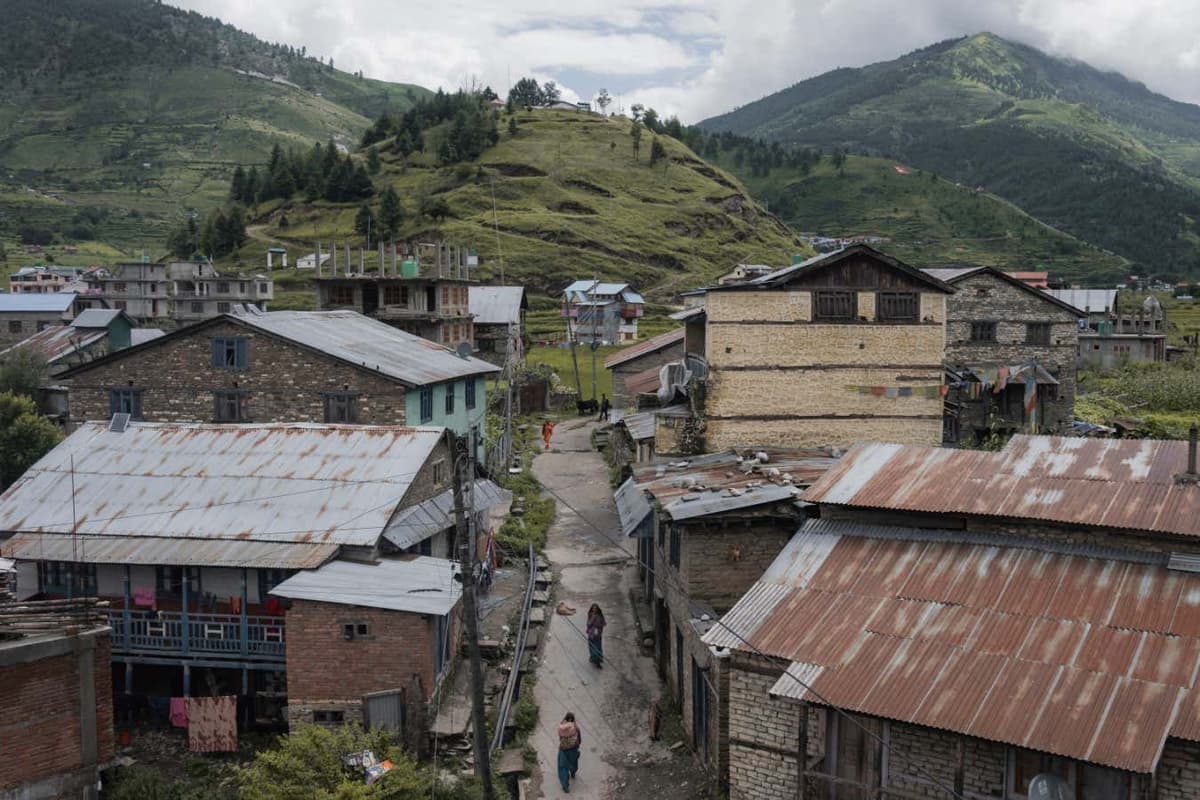
Striking Photo Essay Examines Deadly Spread of Dengue Fever in Nepal
Why It Matters
The altitude expansion of dengue vectors signals climate‑driven disease risk for previously protected mountain populations, demanding urgent surveillance and vector‑control investments.
Key Takeaways
- •Aedes mosquitoes found at 2,438 m, highest altitude recorded
- •Dengue now present in 76 of Nepal’s 77 districts
- •Local schools run larvae awareness campaigns to curb breeding sites
- •Researchers monitor mosquito resistance with Belgian Institute of Tropical Medicine
- •Mosquito nets promoted in high‑altitude towns to protect infants
Pulse Analysis
The recent photo essay by Yuri Segalerba underscores a stark epidemiological shift: Aedes aegypti and Aedes albopictus, once confined to Nepal’s lowlands, have colonized towns above 2,400 metres. This altitude breakthrough aligns with rising temperatures linked to global climate change, which compresses the thermal niche of these mosquitoes and accelerates the spread of dengue, the world’s fastest‑growing mosquito‑borne disease. As the vectors adapt to thinner air and cooler nights, health officials face a new frontier where previously immune high‑altitude populations are suddenly vulnerable.
Local authorities and academic institutions have responded with a blend of modern science and traditional knowledge. The Nepal Health Research Council, in partnership with the Institute of Tropical Medicine in Antwerp, is systematically sampling larvae and adult mosquitoes to track insecticide resistance and genetic adaptation. Meanwhile, Tribhuvan University’s outreach programs bring live larvae into classrooms, teaching students to eliminate stagnant water and encouraging the use of mosquito nets even for breastfeeding mothers. This community‑centric approach leverages Nepal’s centuries‑old Sowa Rigpa healing practices, fostering trust and amplifying preventive messaging in remote districts.
The emergence of dengue in 76 of 77 districts signals a looming public‑health crisis that extends beyond Nepal’s borders. With 9,000 reported infections and six deaths in 2025, the true burden is likely higher because up to 90 percent of cases are asymptomatic. Strengthening surveillance, expanding vector‑control budgets, and scaling cross‑border research collaborations are essential to stay ahead of the virus’s rapid evolution. For investors and policymakers, the situation highlights the economic risk of climate‑driven disease spread and the urgent need for resilient health infrastructure in mountainous regions.
Striking photo essay examines deadly spread of dengue fever in Nepal
Comments
Want to join the conversation?
Loading comments...