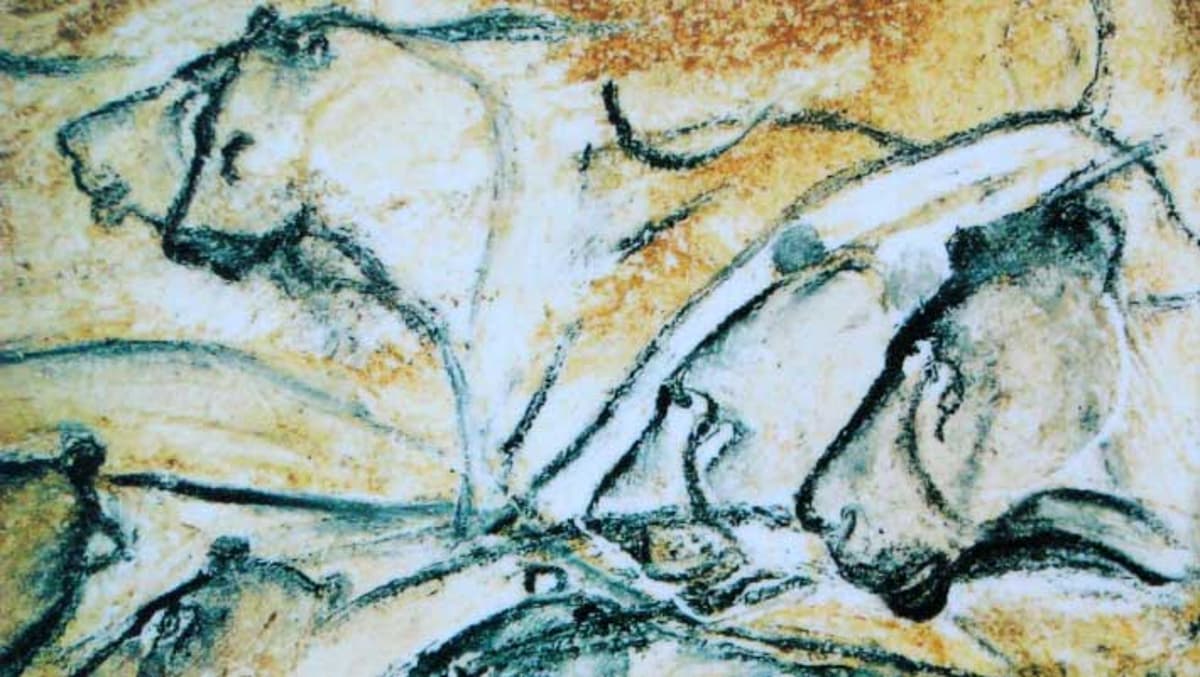
Study: Cave Lions Were Distinct Species that Occasionally Bred with Ancestors of Today’s Lions
Why It Matters
The discovery rewrites lion evolutionary history and highlights how past climate shifts can create brief hybridization windows, informing both paleogenomics and modern conservation strategies.
Key Takeaways
- •Cave lions split from modern lions ~1.7 million years ago
- •Study analyzed 12 cave‑lion genomes spanning 100,000 years
- •Interbreeding left up to 4 % modern‑lion DNA in some cave lions
- •Unique mutations affect brain, vision, circulatory, growth genes
- •Findings reshape understanding of Pleistocene megafaunal evolution
Pulse Analysis
The new paleogenomic research overturns long‑standing assumptions about lion ancestry by demonstrating that the iconic Eurasian cave lion was not merely a larger version of today’s Panthera leo, but a separate species that diverged nearly two million years ago. By extracting DNA from teeth, bones, and even well‑preserved cub tissue, scientists built a robust dataset of twelve cave‑lion genomes that span a hundred‑thousand‑year window. This depth allowed them to trace demographic patterns, revealing a clear genetic split from modern lions and identifying a suite of non‑synonymous mutations linked to brain function, vision, circulatory efficiency, and growth—traits likely essential for surviving the harsh Holarctic climate.
Beyond the deep split, the study uncovers a nuanced picture of occasional gene flow. During periods of maximal glacial expansion, cave lions migrated southward, encountering modern lion populations and interbreeding. One specimen from central East Asia dating to roughly 20,000 years ago carries 3.2‑4.4 % modern‑lion ancestry, suggesting that climate‑driven range shifts can temporarily dissolve long‑standing reproductive barriers. This finding adds a new dimension to our understanding of Pleistocene megafaunal dynamics, illustrating how rapid environmental change can create hybridization hotspots that leave lasting genetic footprints.
For conservationists and evolutionary biologists, these insights carry practical implications. Recognizing that modern lion lineages have been shaped by ancient interspecific contacts underscores the importance of genetic diversity and connectivity in today’s fragmented populations. Moreover, the identified cave‑lion‑specific adaptations provide a comparative framework for studying how large carnivores might respond to contemporary climate stressors. As the planet warms, the historical precedent of climate‑induced range overlap and hybridization could inform strategies to preserve genetic health and ecological function in the remaining lion populations.
Study: Cave Lions were Distinct Species that Occasionally Bred with Ancestors of Today’s Lions
Comments
Want to join the conversation?
Loading comments...