Study Finds 40% of Soil-Dependent Species Threatened or Data Deficient
Why It Matters
The findings expose a hidden wave of biodiversity loss beneath our feet, signaling urgent need for targeted conservation and data collection to protect ecosystem services tied to soil health.
Key Takeaways
- •40% of soil‑dependent species are threatened or data deficient
- •Only 8,653 soil‑dependent species evaluated on IUCN Red List
- •Over 20% of evaluated species are classified as threatened
- •Another 20% lack sufficient data to assess extinction risk
- •Thousands of soil‑dependent organisms remain unassessed, obscuring true biodiversity loss
Pulse Analysis
Soil is the foundation of terrestrial life, supporting nearly 60 % of Earth’s species and driving critical processes such as carbon sequestration, nutrient cycling, and water regulation. Yet, the organisms that live within the soil matrix—ranging from arthropods and mollusks to fungi—have long been overlooked in global conservation assessments. By establishing a clear definition of soil‑dependency and applying it to the IUCN Red List, the new study shines a spotlight on a hidden component of biodiversity that underpins agricultural productivity and climate resilience.
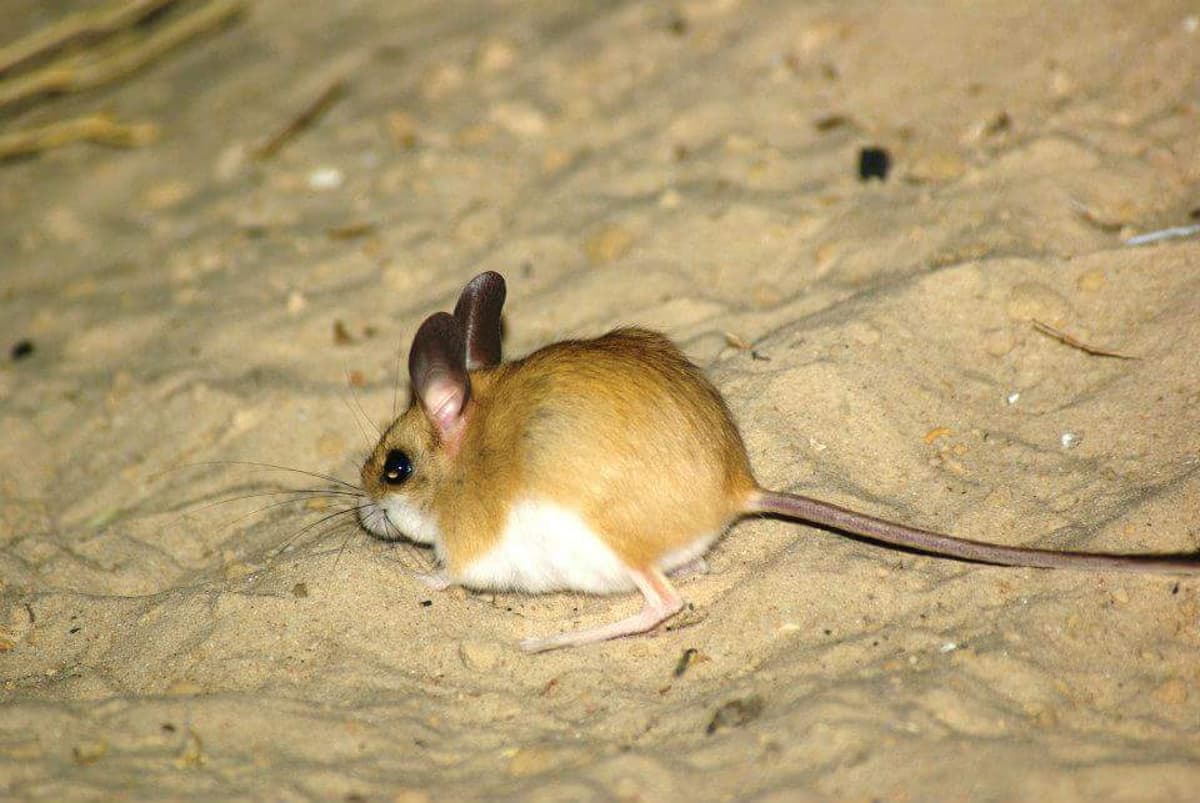
The results are sobering: roughly one‑in‑two soil‑dependent species face an uncertain future, with 20 % officially threatened and another 20 % listed as data deficient. This data gap is especially acute for invertebrates and fungi, groups that are notoriously under‑studied yet essential for soil structure and fertility. The extinction of burrowing mammals like Australia’s hopping mice illustrates how habitat degradation and invasive predators can erase keystone species, potentially destabilizing the very soil functions humans rely on. Moreover, the fact that thousands of soil organisms remain completely unassessed suggests that the true scale of loss may be far greater than current figures indicate.
Addressing these blind spots will require coordinated action. The authors propose an IUCN Species Survival Commission Soil Biota Task Force, a platform to unite taxonomists, ecologists, and policy makers. Such a body could standardize monitoring protocols, prioritize data‑deficient taxa, and integrate soil biodiversity into broader initiatives like the UN Food and Agriculture Organization’s soil health programs. By elevating soil life to the forefront of conservation agendas, stakeholders can better safeguard ecosystem services that are vital for food security, climate mitigation, and human well‑being.
Study finds 40% of soil-dependent species threatened or data deficient
Comments
Want to join the conversation?
Loading comments...