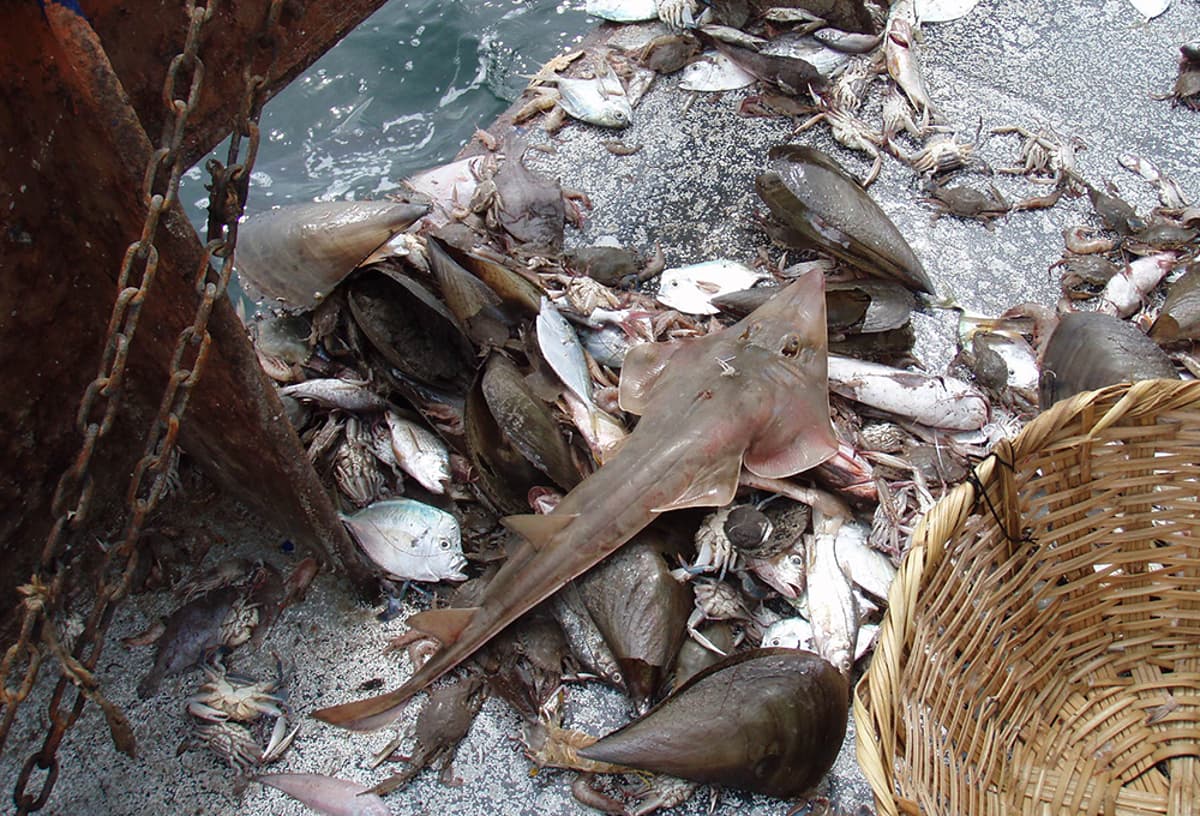
Study Finds Bottom Trawling Nets 3,000 Marine Fish Species, Including Threatened Ones
Why It Matters
The findings expose a critical data gap in global fisheries, highlighting the hidden biodiversity risk of bottom trawling and prompting calls for more selective fishing practices.
Key Takeaways
- •Study recorded nearly 3,000 fish species in bottom‑trawl catches.
- •About 237 species identified as threatened on IUCN Red List.
- •23% of caught species are data‑deficient or unassessed.
- •Larger fish are over‑represented; small species often grouped as “trash fish.”
- •Findings urge tighter regulation and adoption of more selective fishing gear.
Pulse Analysis
Bottom trawling, a widely used but controversial fishing method, drags weighted nets across the seafloor to capture commercially valuable species such as cod and shrimp. The recent University of British Columbia‑led analysis compiled catch records from around the world and identified nearly 3,000 distinct fish species entangled in these nets—a figure that may underestimate the true impact. By quantifying the breadth of bycatch, the study provides a rare baseline for an industry that has long operated in data darkness.
The biodiversity implications are stark. Approximately 237 of the recorded species are classified as threatened, and a quarter of all catches belong to fish with insufficient conservation data. This hidden mortality threatens ecosystem functions, from predator‑prey dynamics to habitat maintenance, and undermines livelihoods that depend on healthy marine populations. Moreover, the study uncovered a reporting bias toward larger fish, while smaller, often ecologically pivotal species are lumped into vague categories, obscuring their true vulnerability.
Policymakers and fishery managers now face pressure to tighten regulations on bottom trawling. The authors advocate for more selective gear, temporal closures, and spatial restrictions to reduce unintended catches. While some experts note that intense trawling occurs only on limited continental shelf areas, the global distribution of threatened species in the data suggests that even localized practices can have far‑reaching ecological consequences. Continued monitoring and refined reporting standards will be essential to balance commercial interests with marine conservation goals.
Study finds bottom trawling nets 3,000 marine fish species, including threatened ones
Comments
Want to join the conversation?
Loading comments...