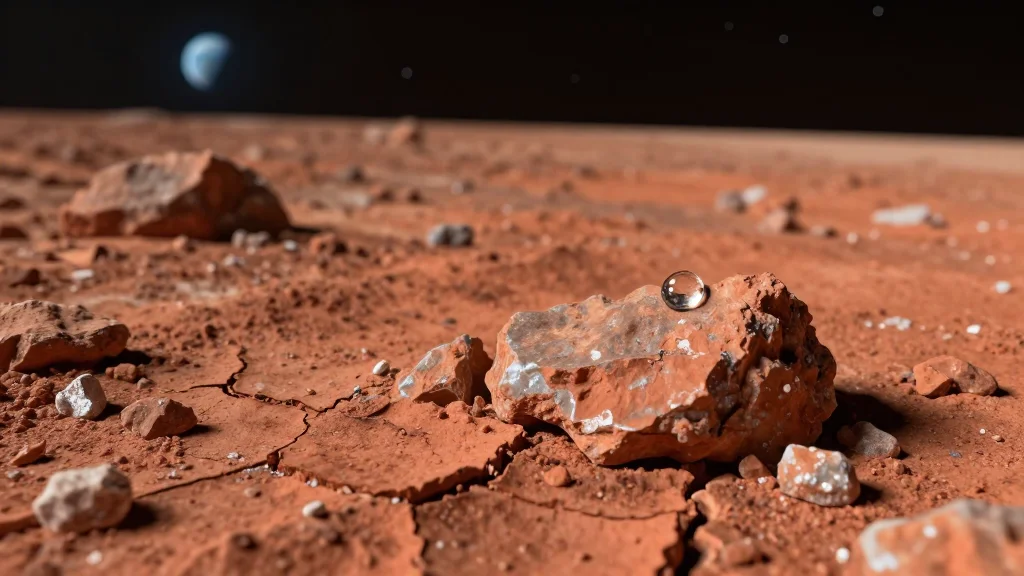
Study Finds Most Dry Exoplanets Lack Sustainable Carbon Cycles

Why It Matters
Understanding the limits of carbon cycling on dry worlds reshapes the search for life beyond Earth. If surface water is a prerequisite for climate regulation, many planets previously flagged as potentially habitable may be ruled out, narrowing the field for costly telescope time. Moreover, the research bridges planetary geology and astrobiology, prompting interdisciplinary collaborations that could refine models of planetary evolution and inform the design of future missions. The study also raises philosophical questions about the definition of habitability. By moving beyond a simple “Goldilocks zone” to include geochemical cycles, scientists are acknowledging that life-supporting environments are the product of complex, interdependent processes. This broader perspective may accelerate the discovery of biosignatures by focusing on worlds where stable climates are plausible over geological timescales.
Key Takeaways
- •Study shows limited surface water cuts silicate weathering rates, halting the carbonate‑silicate cycle.
- •Researchers argue habitable‑zone definitions must include active geochemical cycles.
- •NASA scientists stress that climate stability hinges on balanced carbon fluxes.
- •Future exoplanet surveys will need to detect water proxies and geological activity.
- •The paper calls for expanded modeling of smaller super‑Earths to test the findings.
Pulse Analysis
The new carbon‑cycle constraints represent a paradigm shift in exoplanet habitability assessment. For a decade, the field has leaned heavily on the circumstellar habitable zone as a quick‑look filter, largely because it is observable with current instruments. By demonstrating that water scarcity can cripple a planet’s climate thermostat, the study forces a re‑evaluation of that filter. In practice, this means that upcoming observation campaigns will allocate more resources to characterizing atmospheric composition and surface conditions, even for planets that sit comfortably within the traditional habitable band.
Historically, the carbonate‑silicate cycle has been a cornerstone of Earth’s climate resilience, buffering against solar brightening over billions of years. Translating that Earth‑centric model to alien worlds has always been speculative, but the authors provide quantitative thresholds that can be incorporated into mission planning tools. This could lead to a tiered target list where planets are ranked not just by orbital distance but by a composite habitability index that weighs water availability, tectonic vigor, and volcanic outgassing.
Looking ahead, the integration of these geochemical criteria may accelerate the development of next‑generation telescopes capable of detecting subtle spectral signatures of water vapor and surface minerals. If the community embraces this more nuanced framework, the next decade could see a sharper focus on a smaller, higher‑value set of exoplanets—potentially increasing the odds of detecting a true biosignature. The study thus not only refines scientific understanding but also reshapes the economics of exoplanet exploration.
Study Finds Most Dry Exoplanets Lack Sustainable Carbon Cycles
Comments
Want to join the conversation?
Loading comments...