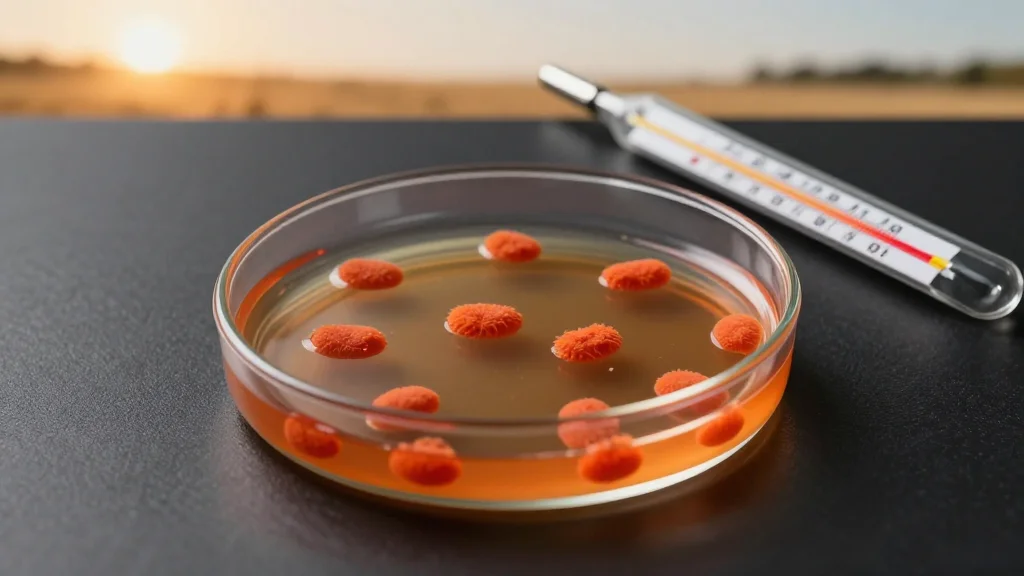
Study Links Climate Warming to Surge in Salmonella Antibiotic‑Resistance Genes

Why It Matters
Linking climate change to antimicrobial resistance reframes AMR as not only a medical issue but also an environmental one. If rising temperatures accelerate the spread of resistance genes, mitigation strategies must extend beyond prudent antibiotic use to include climate mitigation and ecosystem management. This convergence could reshape funding priorities, prompting greater investment in integrated surveillance systems that monitor both climate metrics and microbial genomics. Moreover, the study highlights a potential inequity: low‑ and middle‑income countries, which often bear the brunt of both climate impacts and food‑borne disease, may face compounded risks. Addressing the dual challenge could drive international cooperation, aligning climate finance with health security initiatives.
Key Takeaways
- •Analysis published May 28, 2026 links temperature rise to a 12% increase in Salmonella antibiotic‑resistance genes.
- •Study combines climate data with genomic surveillance across multiple regions.
- •Findings suggest warmer climates boost bacterial replication and gene transfer.
- •Public‑health officials urged to integrate climate considerations into AMR strategies.
- •Authors call for an international data‑sharing platform to monitor resistance genes.
Pulse Analysis
The convergence of climate science and antimicrobial resistance research marks a pivotal shift in how we conceptualize disease risk. Historically, AMR policies have focused on prescribing practices, infection control, and pharmaceutical pipelines. This new evidence forces a broader lens, where environmental stewardship becomes a prerequisite for controlling resistance. The statistical link between a 1°C temperature rise and a measurable increase in ARGs suggests that climate mitigation could have a measurable downstream effect on public‑health outcomes.
From a market perspective, the finding could accelerate investment in climate‑resilient food production technologies, such as precision agriculture that reduces antibiotic reliance and runoff. Companies developing rapid genomic testing platforms may see heightened demand for real‑time monitoring tools that can be deployed in both clinical and environmental settings. Meanwhile, insurers and governments might reassess risk models to incorporate climate‑driven AMR projections, potentially influencing premium structures and funding allocations.
Looking ahead, the key question is whether policymakers will translate this interdisciplinary insight into actionable frameworks. The upcoming WHO AMR action plan will be a litmus test: will climate metrics be embedded in surveillance guidelines? If so, we could witness a new era of integrated health‑environment policy, where climate targets are justified not only by carbon accounting but also by their capacity to curb a looming antimicrobial crisis.
Study Links Climate Warming to Surge in Salmonella Antibiotic‑Resistance Genes
Comments
Want to join the conversation?
Loading comments...