Study Links Pesticide Exposure to 150 Percent Higher Cancer Risk, Identifies Biological Mechanisms
Why It Matters
The research demonstrates that real‑world pesticide mixtures dramatically increase cancer risk, prompting regulators to rethink safety standards and address environmental health inequities. It also provides a template for other nations to evaluate pesticide‑related health impacts.
Key Takeaways
- •Study links pesticide exposure to 150% higher cancer risk in Peru
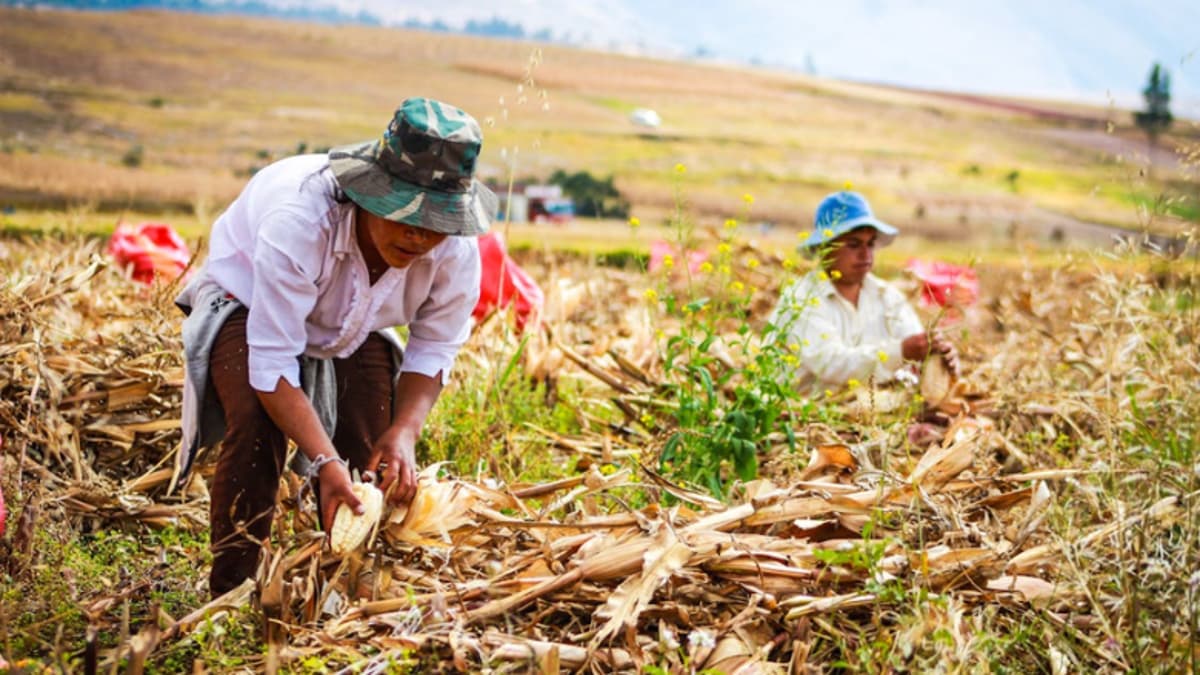
- •Combined exposure to 12 pesticides common in Indigenous farming communities
- •Spatial Bayesian model matched pesticide maps with 150,000 cancer cases
- •Hair biomonitoring validated modeled pesticide concentrations in high‑risk areas
- •Findings call for risk assessments that consider chemical mixtures and climate effects
Pulse Analysis
Pesticide safety has long been evaluated on a one‑chemical‑at‑a‑time basis, leaving a critical blind spot for real‑world exposure scenarios. The new Nature Health study bridges that gap by integrating high‑resolution environmental modeling with a national cancer registry, revealing that communities surrounded by intensive agriculture face a dramatically elevated cancer burden. By focusing on Peru—a country with diverse agro‑ecological zones and stark socioeconomic disparities—the researchers captured a spectrum of exposure levels that mirrors many developing regions worldwide.
The methodological backbone of the research is a spatial Bayesian framework that tracked 31 widely used pesticides over six years, then overlaid those exposure maps with cancer incidence data from more than 150,000 patients. The model’s robustness was confirmed through hair‑sample biomonitoring of 50 residents in high‑exposure zones, which closely matched predicted concentrations. Crucially, the study uncovered a unique transcriptomic signature in liver tissue, pointing to non‑genotoxic mechanisms that destabilize cellular identity long before tumors emerge. This mechanistic insight adds scientific weight to the epidemiological association and underscores the need for molecular surveillance in exposed populations.
Policy implications are profound. Traditional risk assessments, which set safety thresholds for individual chemicals, may dramatically underestimate health risks when multiple agents co‑occur, especially under climate‑driven variables like El Niño that alter pesticide application and dispersion. Regulators worldwide must adopt mixture‑based evaluation methods, incorporate climate resilience, and prioritize vulnerable groups such as Indigenous farmers. The Peruvian case study offers a replicable blueprint for other nations seeking to align agricultural productivity with public‑health safeguards, signaling a shift toward more holistic, equity‑focused environmental health policies.
Study Links Pesticide Exposure to 150 Percent Higher Cancer Risk, Identifies Biological Mechanisms
Comments
Want to join the conversation?
Loading comments...