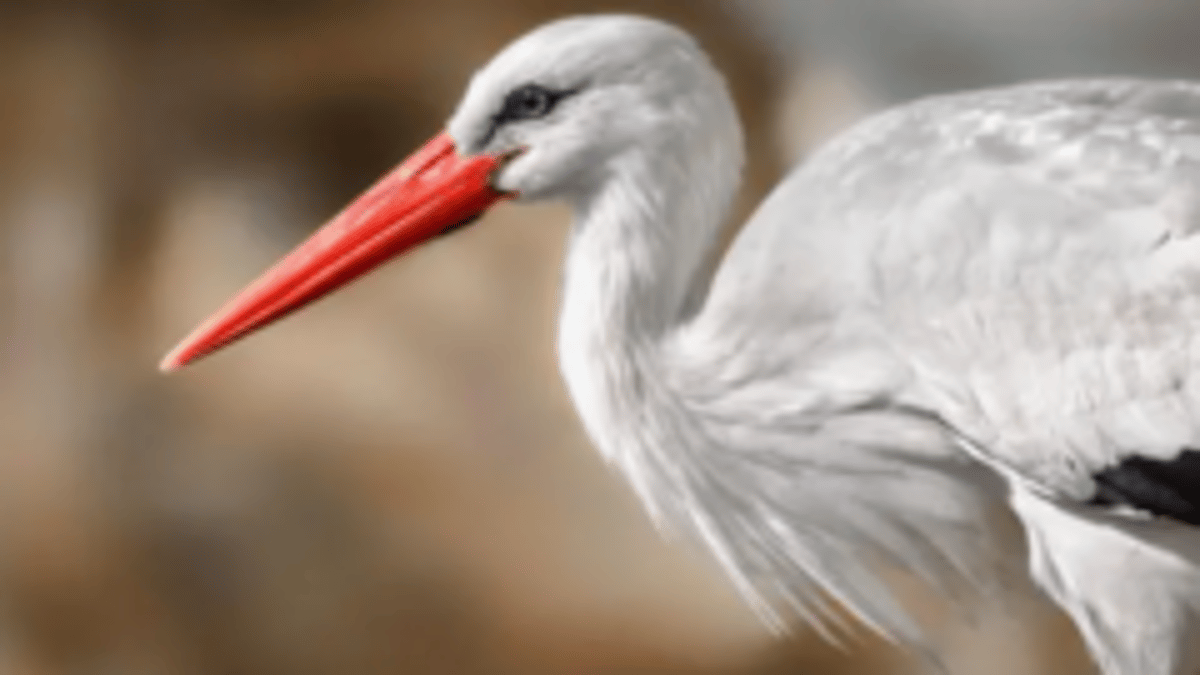
Study Looks at Reintroduction of Storks in Britain
Why It Matters
Reintroducing white storks offers a tangible metric of habitat recovery and could catalyze broader biodiversity and ecosystem‑service gains across the UK’s heavily altered landscapes. Successful rewilding would also shape future conservation policy and rural development strategies.
Key Takeaways
- •10 white storks released in North Devon last June
- •Breeding colony planned for Eastbrookend Country Park, London
- •Study surveys farmers, landowners, public on stork reintroduction
- •Storks historically native, vanished in 1400s due to hunting
- •Rewilding aims to boost biodiversity and ecosystem services
Pulse Analysis
The white stork, once a familiar sight over British wetlands, disappeared from the island in the 15th century after centuries of over‑hunting and the drainage of its riverine habitats. Today the United Kingdom ranks among the most nature‑depleted nations in Europe, with intensive agriculture and urban sprawl eroding native fauna. Conservationists argue that re‑establishing emblematic species like the white stork can serve as a visible indicator of landscape recovery, while also attracting public interest in broader biodiversity goals.
Harper Adams University’s PhD candidate Sophie Rabone is leading a systematic feasibility study that combines field trials with social science. Small‑scale releases—ten birds in North Devon last June and a planned breeding colony at Eastbrookend Country Park in London—provide data on survival, foraging behavior, and habitat suitability across coastal and urban wetlands. Parallelly, Rabone’s online survey gathers attitudes from farmers, landowners, and the general public, gauging support, perceived conflicts, and economic concerns. Early findings suggest that storks adapt well to mixed farmland‑wetland mosaics, offering pest‑control benefits and enhancing ecotourism potential.
If the pilot projects prove successful, the UK could adopt a national rewilding framework that integrates flagship species with agri‑environment schemes. Restoring top‑down ecological functions may improve soil health, pollinator networks, and flood mitigation, delivering tangible ecosystem services to rural communities. Moreover, the symbolic return of the stork could bolster funding for habitat restoration and inspire similar initiatives for other lost species. Policymakers will need to balance land‑use priorities, but the growing body of scientific and public support positions stork reintroduction as a pragmatic step toward a greener Britain.
Study looks at reintroduction of storks in Britain
Comments
Want to join the conversation?
Loading comments...