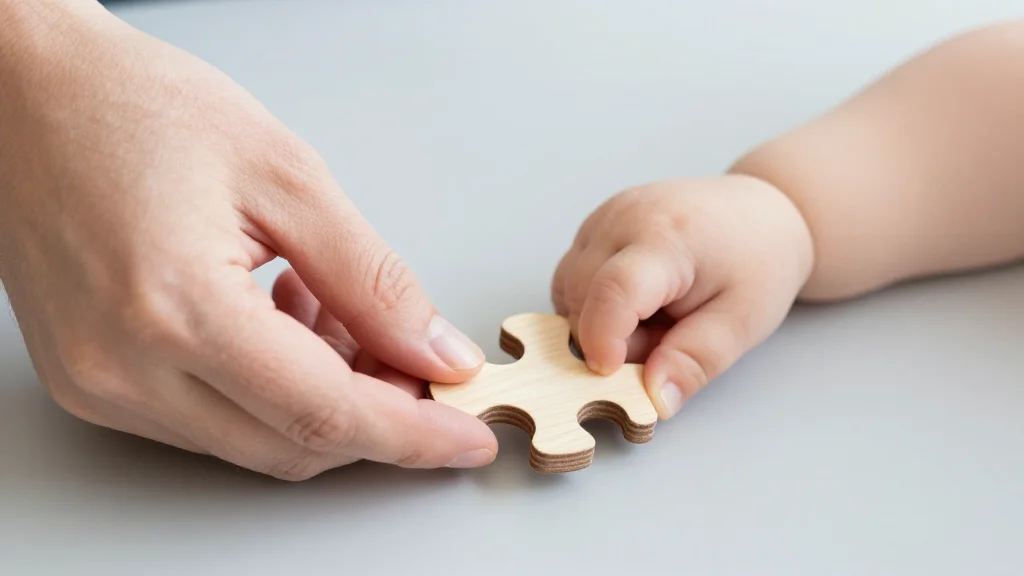
Study Reveals How Parenting Styles Shape Babies' Willingness to Help Others
Why It Matters
The findings suggest that direct parental guidance can accelerate prosocial skills, informing early‑childcare practices and cross‑cultural parenting advice. They also challenge the assumption that gentle encouragement is universally optimal for fostering cooperation.
Key Takeaways
- •Ugandan mothers use assertive scaffolding, giving direct instructions.
- •UK mothers favor deliberate scaffolding, using encouragement and choice.
- •Direct instructions link to higher infant helping, both prompted and spontaneous.
- •Uganda expects early helping; UK emphasizes child independence.
- •Study of 273 infants across UK and Ugandan sites shows cultural impact.
Pulse Analysis
Early prosocial development has long intrigued psychologists, but most research has focused on Western families. The Durham University investigation expands the evidence base by comparing infants in three distinct settings—urban UK, rural Uganda, and urban Uganda—offering a rare cross‑cultural lens. By tracking spontaneous helping and responses to maternal prompts, the study isolates the role of parental scaffolding, revealing that infants are not passive recipients; they actively mirror the instructional tone they receive. This nuance adds depth to theories that view helping as an innate drive shaped only by later socialization.
The contrast between "assertive scaffolding" and "deliberate scaffolding" underscores how cultural norms dictate parenting tactics. In Ugandan households, children contribute to daily chores from a young age, making firm directives a practical necessity. Conversely, UK caregivers prioritize autonomy, framing assistance as a voluntary act. The data show that the former approach yields higher rates of both prompted and spontaneous helping, suggesting that clarity and expectation may be more effective than motivational language in early prosocial training. Early‑education programs can leverage these insights by tailoring guidance strategies to the cultural context of the families they serve.
Beyond parenting, the study prompts policymakers and child‑development specialists to reconsider one‑size‑fits‑all models of early intervention. Recognizing that direct instruction can boost cooperative behavior may influence curriculum design, caregiver support services, and even public health messaging in diverse societies. Moreover, the research invites further longitudinal work to see whether these early advantages persist into later childhood and adulthood, potentially shaping civic engagement and community cohesion on a broader scale.
Study reveals how parenting styles shape babies' willingness to help others
Comments
Want to join the conversation?
Loading comments...