Study Suggests Fibroid Rates in Latina Women May Be Lower than Previously Thought
Companies Mentioned

Why It Matters
Accurate prevalence data enables clinicians to tailor counseling and resource allocation, potentially reducing unnecessary interventions and health‑care costs. The lower observed rate in Latina women also opens avenues for research into protective factors that could benefit broader populations.
Key Takeaways
- •Ultrasound‑confirmed fibroid prevalence in Latina women is 11.8%.
- •Rates rise with age, reaching 18.7% in women 41‑50.
- •Study is largest U.S. Latina‑focused fibroid research, using CBPR.
- •Prior estimates of up to 37% may have overstated prevalence.
- •Findings may guide targeted prevention and treatment strategies.
Pulse Analysis
Uterine fibroids, or leiomyomas, remain one of the most common benign tumors in women, yet prevalence estimates have historically relied on self‑reporting or medical records that can miss asymptomatic cases. Disparities are stark: while up to 70% of white women and more than 80% of Black women develop fibroids by age 50, data on Latina populations have been sparse, creating gaps in both clinical guidance and public‑health planning. Accurate, imaging‑based prevalence figures are essential for understanding true disease burden and for allocating research funding where it can have the greatest impact.
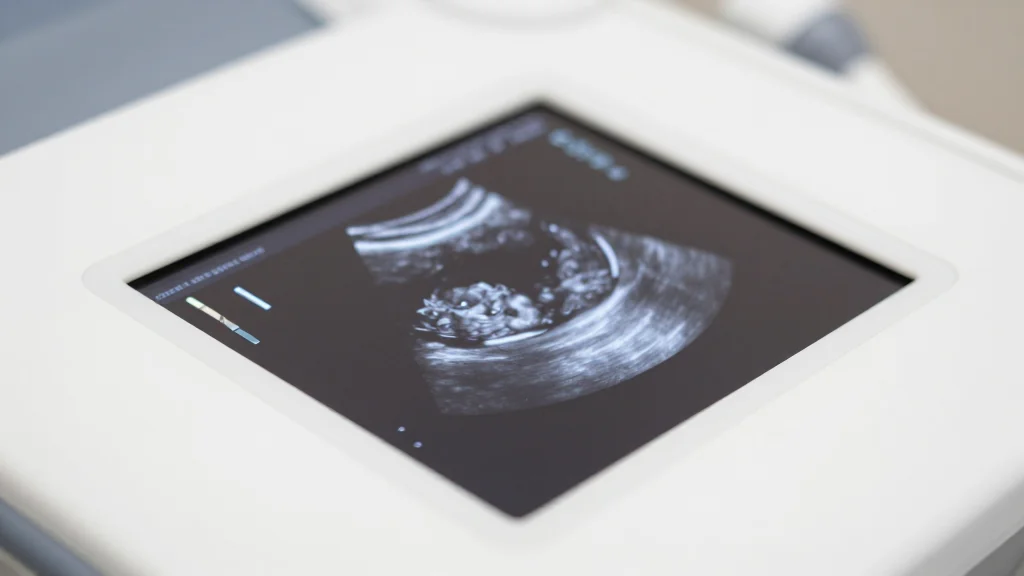
The ELLAS (Environment, Leiomyomas, Latinas, and Adiposity Study) addresses this gap by enrolling 621 reproductive‑age Latina women—predominantly of Mexican descent—and confirming fibroid presence through ultrasound, the gold standard for detection. By leveraging community‑based participatory research (CBPR), the investigators ensured culturally sensitive recruitment and higher trust, yielding data that reflect real‑world prevalence more reliably than prior estimates that suggested rates as high as 37%. The age‑gradient observed—3.5% in the 21‑30 cohort rising to 18.7% in the 41‑50 group—mirrors patterns seen in other ethnicities, reinforcing the role of hormonal and metabolic changes over the life course.
Beyond establishing a baseline, the study’s findings spark new hypotheses about protective factors unique to Latina women, such as dietary patterns, lower exposure to certain endocrine‑disrupting chemicals, or genetic variations linked to adiposity. If identified, these factors could inform preventive strategies applicable across demographics, potentially curbing the $35 billion annual health‑care cost associated with fibroid treatment. Clinicians can now counsel Latina patients with more precise risk estimates, and policymakers have a stronger evidence base to support targeted screening programs and community health initiatives.
Study suggests fibroid rates in Latina women may be lower than previously thought
Comments
Want to join the conversation?
Loading comments...