Study Tests Recycled FGF Polymers For Dental Models
Key Takeaways
- •Recycled pellet feedstock cuts material cost up to tenfold versus resin
- •FGF prints faster with larger nozzles but struggles with fine surface finish
- •Extra smoothing steps may offset time savings for aligner production
- •Hybrid workflow could keep SLA for detail, use FGF for bulk models
- •Sustainable pellets reduce hazardous waste and solvent handling in labs
Pulse Analysis
Dental laboratories have long relied on photopolymer resins processed through SLA or DLP printers because they deliver sub‑100 µm accuracy and glossy surfaces essential for thermoforming clear aligners. However, resin costs are high, and the post‑cure workflow generates toxic solvent waste, creating both financial and regulatory burdens. As orthodontic treatment volumes rise, the cumulative expense and environmental impact of disposable resin models have become a pressing concern for clinics and manufacturers alike.
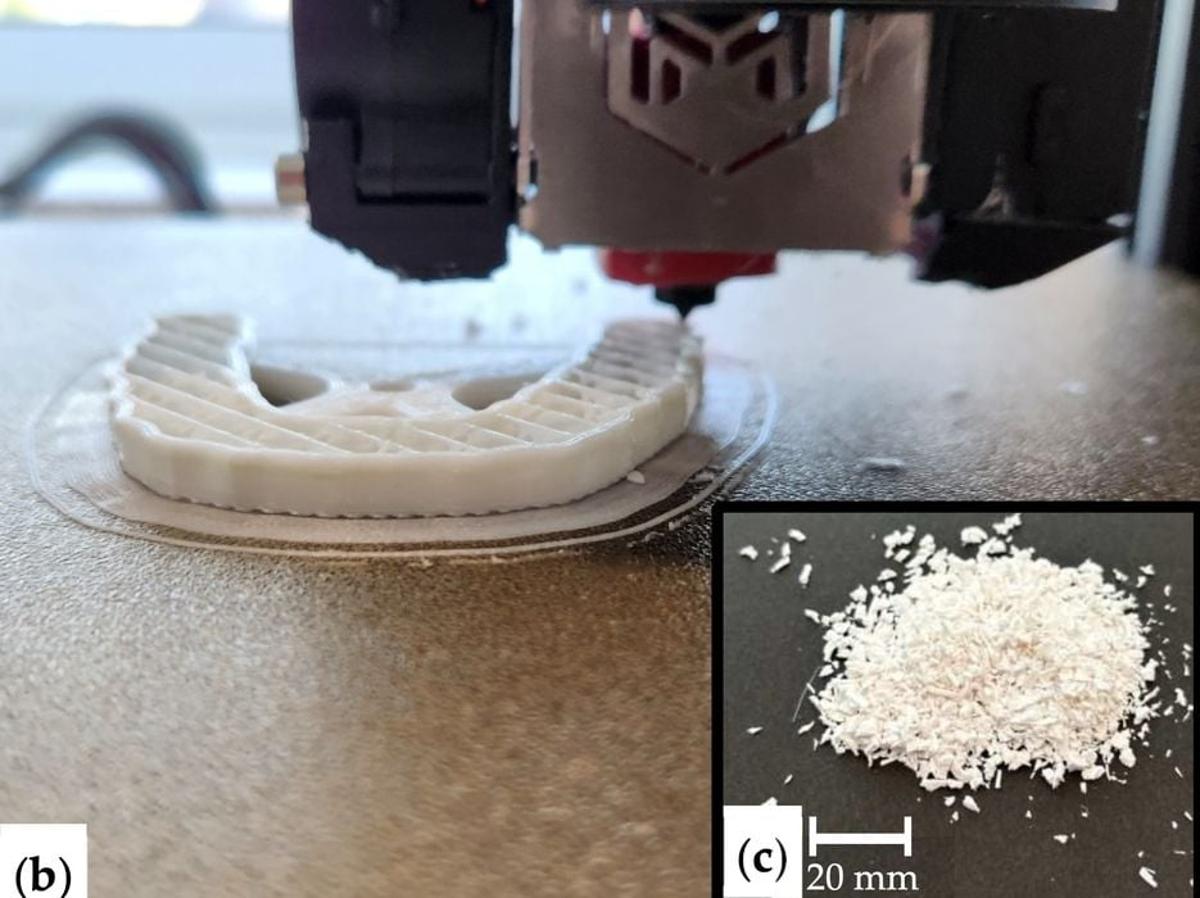
Fused Granular Fabrication, a variant of fused filament fabrication that feeds polymer pellets directly into a screw extruder, promises to address those pain points. By using commodity or recycled pellets—often ten times cheaper than resin—FGF can achieve higher extrusion rates and reduce material handling complexity. The study demonstrates that recycled PLA, PETG, or PP blends can meet the dimensional tolerances required for dental arches, though the resulting parts exhibit coarser layer lines and greater surface roughness. Overcoming pellet drying, thermal shrinkage, and batch‑to‑batch variability remains critical to matching the repeatability of resin workflows.
For high‑volume orthodontic providers, the economic upside of FGF could be transformative. A medium‑format pellet printer could churn out hundreds of arches daily at a fraction of the current per‑model cost, while eliminating hazardous solvent use and simplifying waste compliance. Labs may adopt a hybrid strategy—reserving SLA/DLP for intricate cases and delegating bulk, less‑critical models to an FGF cell equipped with post‑processing steps such as tumbling or coating. This approach balances sustainability with the precision demanded by aligner manufacturers, positioning recycled‑pellet FGF as a viable, eco‑friendly complement to existing dental printing technologies.
Study Tests Recycled FGF Polymers For Dental Models
Comments
Want to join the conversation?