Companies Mentioned
Why It Matters
Acoustic detection offers a scalable tool to monitor declining sturgeon populations, informing conservation and management actions. Understanding spawning locations helps protect critical habitats and comply with endangered‑species regulations.
Key Takeaways
- •Atlantic sturgeon emit low‑frequency “thunder” while spawning
- •First acoustic recordings of this endangered species’ mating behavior
- •Sounds may originate from male‑female thrashing or swim‑bladder
- •Acoustic monitoring could pinpoint spawning sites remotely
- •Tool could improve population estimates for conservation planning
Pulse Analysis
The discovery of “thunder” sounds generated by Atlantic sturgeon during their Hudson River spawning season adds a new dimension to fish bioacoustics. Researchers from Cornell University captured the low‑frequency rumblings, hypothesizing they stem from the vigorous thrashing of males against females or the rapid movement of the swim bladder. While the exact mechanism remains uncertain, the recordings provide the first concrete evidence that these massive, endangered fish produce audible cues during reproduction, a trait previously documented only in their lake‑sturgeon relatives.
From a management perspective, the ability to detect sturgeon spawning acoustically could revolutionize monitoring efforts. Traditional surveys rely on labor‑intensive netting or visual observation, both limited by water clarity and accessibility. Sound‑based surveys, by contrast, can cover extensive river stretches from a single hydrophone array, identifying not only the timing but also the geographic hotspots of spawning activity. This data is crucial for agencies tasked with protecting the species under the Endangered Species Act, allowing them to enforce seasonal restrictions, adjust dam operations, and prioritize habitat restoration where it matters most.
The broader implications extend to other aquatic conservation challenges. As climate change and urban development pressure freshwater ecosystems, passive acoustic monitoring offers a low‑impact, cost‑effective method to track elusive or cryptic species. Continued research into the sturgeon’s acoustic signatures will refine detection algorithms, improve population modeling, and potentially uncover communication functions previously unknown. Ultimately, integrating bioacoustics into fisheries management could enhance our ability to safeguard biodiversity while supporting sustainable river use.
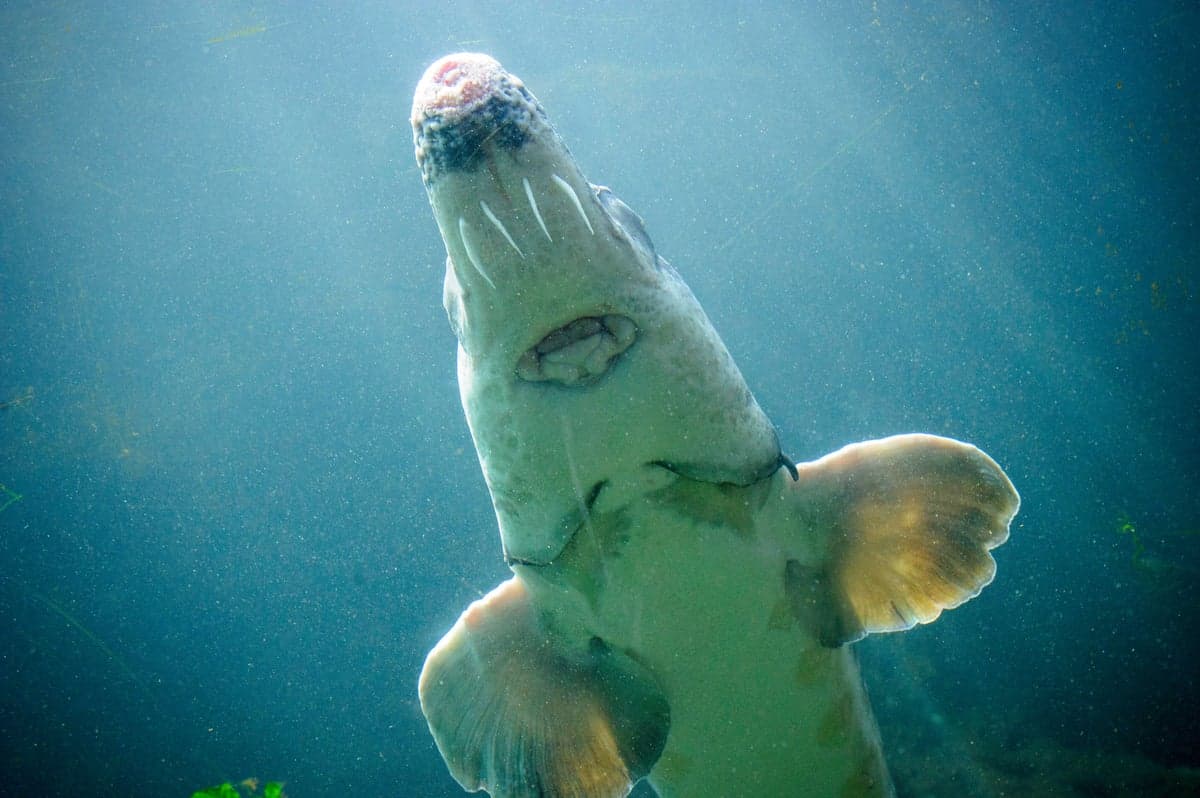
Sturgeon fish sex sounds like ‘thunder’
Comments
Want to join the conversation?
Loading comments...