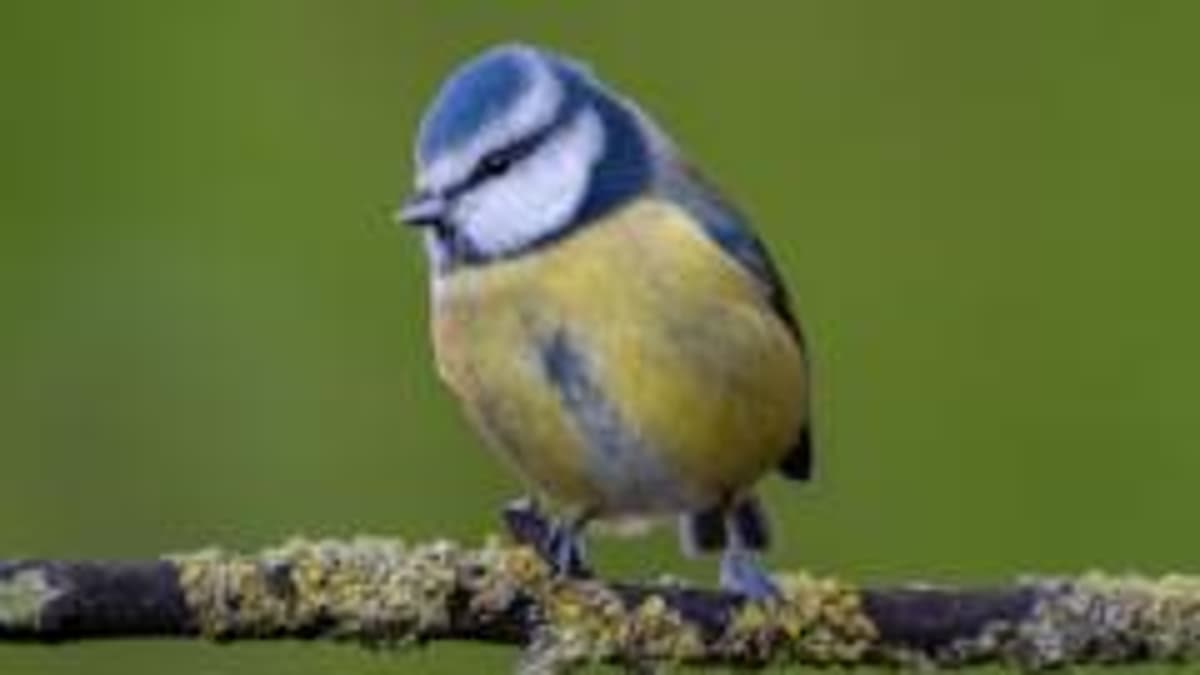
Surrey's Blue Tit Bucks National Trend in Bird Study
Why It Matters
The findings signal shifting local bird populations and underscore how well‑intentioned feeding can exacerbate disease, affecting conservation priorities. Understanding these trends helps policymakers and volunteers target actions to protect vulnerable species.
Key Takeaways
- •Blue tit ranked most common bird in Surrey, opposite national sparrow lead
- •RSPB's Big Garden Birdwatch shows sharp declines in greenfinches and song thrushes
- •Trichomonosis risk spikes when feeding birds May‑Oct; avoid seeds and nuts
- •RSPB advises daily water changes to prevent disease spread in standing water
Pulse Analysis
The RSPB’s Big Garden Birdwatch remains one of Britain’s longest‑running citizen‑science projects, gathering weekly observations from thousands of garden owners since the late 1970s. By aggregating these data, the survey paints a detailed picture of avian abundance and distribution, revealing that while the house sparrow dominates nationally, Surrey’s gardens are now dominated by the blue tit. This regional divergence highlights how local habitat conditions, such as garden composition and urban planning, can influence bird community structures differently from broader trends.
A growing concern highlighted in the latest release is Trichomonosis, a parasitic infection that primarily afflicts greenfinches and chaffinches but can impact a range of passerines. The disease spreads through contaminated seed, nuts, and standing water, prompting the RSPB’s advisory against feeding birds from May through October. By limiting supplemental feeding during the breeding and migration seasons, gardeners can reduce pathogen load in the environment, helping to halt the steep population declines documented for greenfinches and song thrushes over recent years.
The implications extend beyond immediate disease control. The survey’s regional insights enable conservation groups to tailor interventions, such as habitat enhancement and targeted monitoring, to areas where vulnerable species are most at risk. Moreover, the public’s participation in the Birdwatch program underscores the power of community‑driven data in shaping wildlife policy. As climate change and urban expansion continue to reshape Britain’s ecosystems, sustained citizen engagement and evidence‑based guidance will be crucial for preserving the nation’s avian diversity.
Surrey's blue tit bucks national trend in bird study
Comments
Want to join the conversation?
Loading comments...