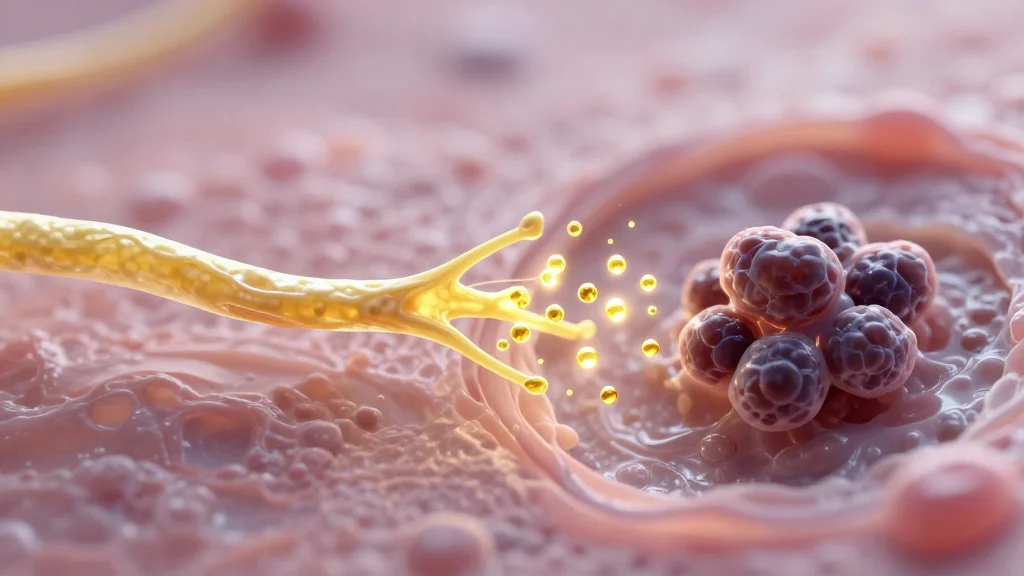
Sympathetic NPY Signaling at the Crossroads of Neuro-Tumoral Metabolism
Why It Matters
If tumors rely on sympathetic NPY signaling, disrupting this pathway offers a novel, potentially high‑impact target for oncology drug development, influencing future market dynamics.
Key Takeaways
- •Sympathetic NPY drives peripheral energy expenditure.
- •Tumors exploit NPY to boost metabolic rate.
- •Targeting NPY pathways offers new oncology therapeutic avenue.
- •NPY signaling intersects with norepinephrine in tumor microenvironment.
- •Investors watch neuro‑metabolism drug pipelines for growth.
Pulse Analysis
The sympathetic nervous system, long recognized for its role in fight‑or‑flight responses, releases both norepinephrine (NE) and neuropeptide Y (NPY) from peripheral neurons. While NE modulates vascular tone and heart rate, NPY has emerged as a potent regulator of peripheral energy balance, stimulating lipolysis, thermogenesis, and cell proliferation. This dual‑neurotransmitter system creates a biochemical milieu that can be co‑opted by adjacent tissues, especially those with high energetic demands.
In oncology, the metabolic rewiring of cancer cells—known as the Warburg effect—requires continuous nutrient influx and biosynthetic activity. Recent pre‑clinical models suggest that tumors situated near sympathetic innervation can capture NPY signals, leveraging them to amplify glucose uptake, mitochondrial activity, and proliferative signaling cascades. The synergy between NE‑mediated vasoconstriction and NPY‑driven metabolic acceleration may furnish tumors with a microenvironment conducive to rapid growth, positioning sympathetic NPY as a hidden driver of malignancy.
From a business perspective, the identification of sympathetic NPY as a tumor‑supporting factor opens a fresh therapeutic frontier. Biopharma firms are already scouting small‑molecule antagonists and monoclonal antibodies that block NPY receptors, aiming to starve cancer cells of their neuro‑derived metabolic boost. Investors are tracking these pipelines closely, as successful modulation of NPY could complement existing metabolic inhibitors and immunotherapies, potentially generating multi‑billion‑dollar market opportunities. However, challenges remain in achieving tissue‑specific targeting without disrupting essential peripheral functions, underscoring the need for precise drug design and robust clinical validation.
Sympathetic NPY signaling at the crossroads of neuro-tumoral metabolism
Comments
Want to join the conversation?
Loading comments...