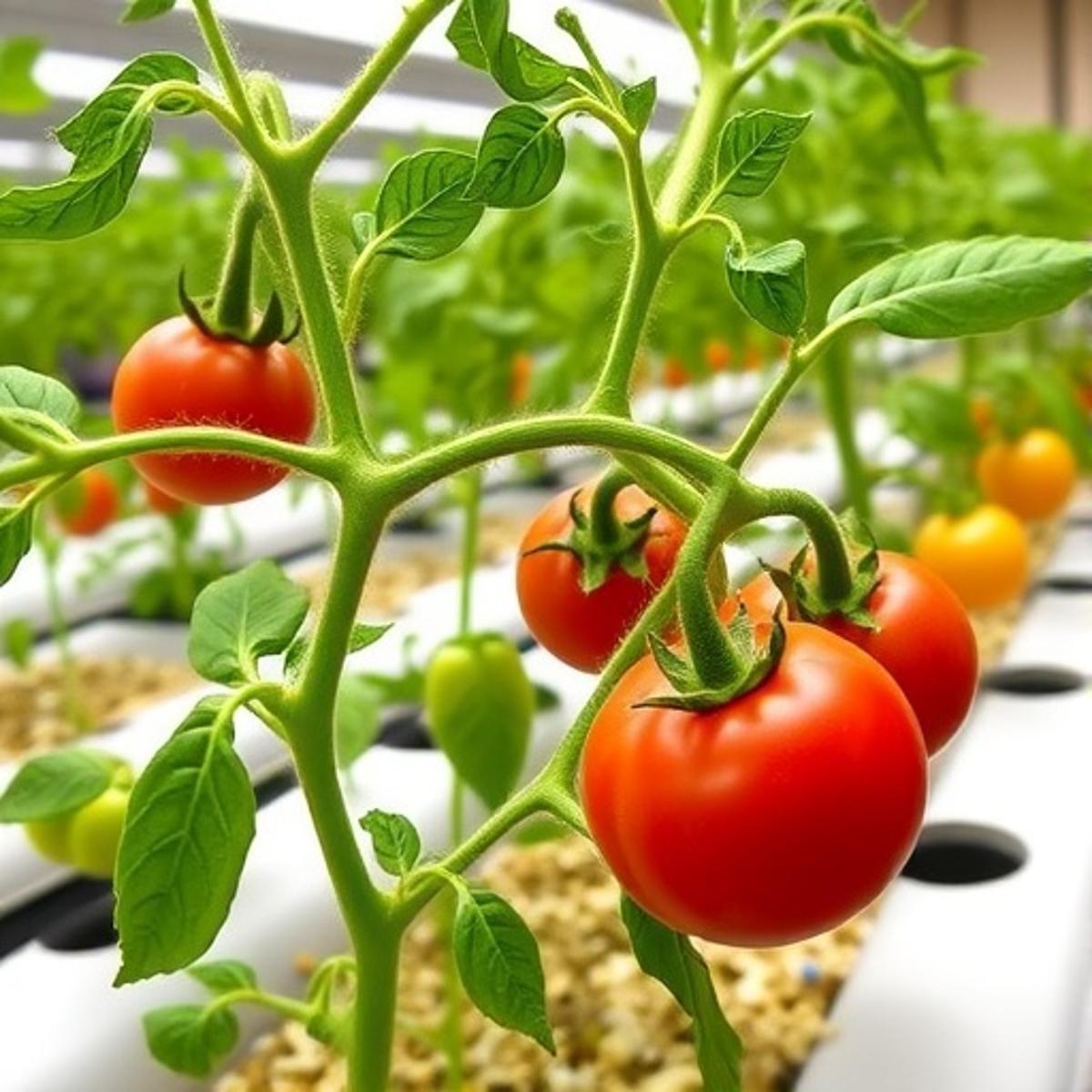
Synthetic Microbial Communities Boost Hydroponic Tomato Growth
Why It Matters
The breakthrough offers a scalable, eco‑friendly lever to raise hydroponic tomato yields while lowering water and fertilizer inputs, addressing sustainability pressures in controlled‑environment agriculture.
Key Takeaways
- •Consortium increased tomato biomass by 27% in hydroponic trials
- •Researchers identified three bacterial strains that enhance nutrient uptake
- •Yield gains persisted across two growth cycles without chemical fertilizers
- •Potential to cut water use by up to 15% per crop
Pulse Analysis
Synthetic microbial consortia are reshaping indoor farming by delivering biological solutions that outperform traditional inputs. In the latest study, scientists isolated three synergistic bacterial strains—one that solubilizes phosphorus, another that fixes atmospheric nitrogen, and a third that produces growth‑promoting phytohormones. When inoculated into nutrient‑film technique (NFT) hydroponic channels, these microbes accelerated root development and improved leaf chlorophyll content, translating into a 27% rise in tomato biomass. The approach leverages natural metabolic pathways, reducing reliance on synthetic fertilizers that contribute to runoff and greenhouse‑gas emissions.
Beyond yield gains, the microbial cocktail demonstrated water‑saving benefits. By enhancing root absorption efficiency, plants required 15% less irrigation to achieve comparable fruit size, a critical advantage in regions facing water scarcity. The technology integrates seamlessly with existing hydroponic infrastructure, requiring only a simple inoculation step at seedling stage. This low‑cost, plug‑and‑play model aligns with the economics of commercial growers who seek to improve margins without major capital upgrades.
The broader implications extend to the vertical farming sector, where scaling sustainable practices is paramount. As consumer demand for locally grown, pesticide‑free produce rises, growers can differentiate their products through bio‑enhanced cultivation methods. Moreover, the reduction in chemical inputs positions farms to meet increasingly stringent environmental regulations and ESG criteria, potentially unlocking new financing opportunities. Continued research will focus on expanding the microbial library to other high‑value crops, paving the way for a new generation of biologically optimized indoor agriculture systems.
Synthetic Microbial Communities Boost Hydroponic Tomato Growth
Comments
Want to join the conversation?
Loading comments...