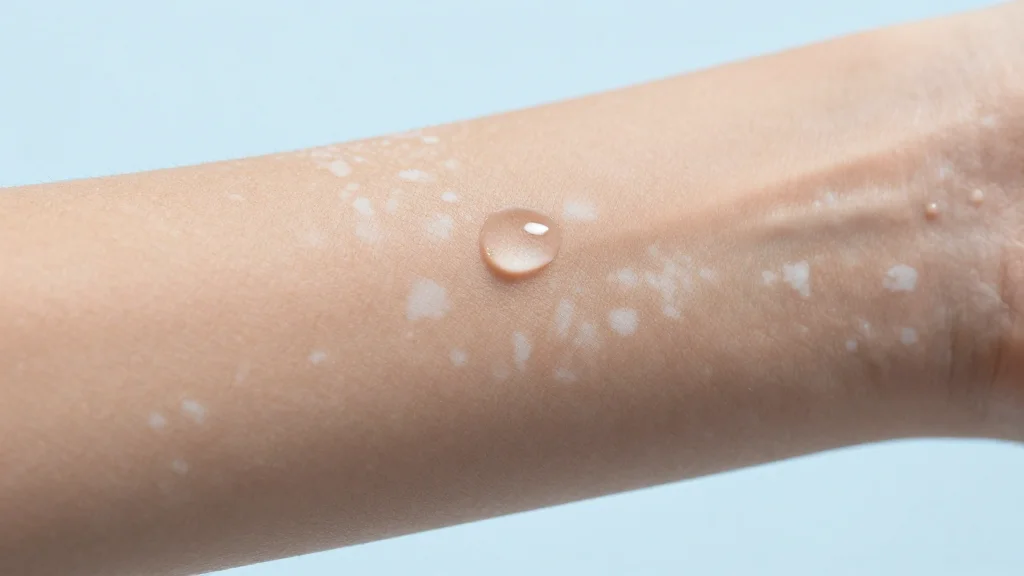
Targeting Oxidative Stress Could Fill a Gap in the Vitiligo Treatment Toolbox
Why It Matters
Addressing oxidative imbalance could unlock more durable repigmentation, expanding the limited vitiligo treatment arsenal and improving patient quality of life. Standardized biomarkers would enable precision dosing and faster regulatory approval pathways.
Key Takeaways
- •Antioxidants boost repigmentation only when paired with phototherapy.
- •Oxidative enzyme deficits correlate with vitiligo severity across populations.
- •No standardized oxidative biomarkers hinder personalized treatment strategies.
- •Plant extracts show limited monotherapy efficacy; synergy needed.
- •Future trials should integrate oxidative markers with JAK inhibitor regimens.
Pulse Analysis
Vitiligo affects up to 2% of the global population, yet stable repigmentation remains elusive despite corticosteroids, calcineurin inhibitors, and newer JAK‑inhibitor therapies. Recent molecular studies reveal that melanocyte‑specific melanin synthesis generates reactive oxygen species, overwhelming the Nrf2‑driven antioxidant defense and triggering an autoimmune cascade. This oxidative premise reframes the disease as a redox‑driven disorder, suggesting that traditional immunomodulation alone may be insufficient without addressing the underlying oxidative milieu.
Biochemical profiling across diverse cohorts consistently shows elevated hydrogen peroxide and malondialdehyde alongside reduced catalase, superoxide dismutase, glutathione peroxidase, and G6PD activity. These enzyme deficits correlate with disease extent, yet reported levels vary widely due to heterogeneous assay methods and population genetics. The lack of universally accepted oxidative biomarkers hampers clinicians’ ability to monitor disease activity or gauge therapeutic response, creating a bottleneck for personalized regimens and complicating trial endpoints.
Therapeutically, antioxidants demonstrate modest benefit as monotherapy but achieve significant repigmentation when combined with narrow‑band UVB, topical steroids, or emerging JAK inhibitors. Plant‑derived compounds such as Ginkgo biloba and Polypodium leucotomos show promise, though data remain limited. Industry analysts anticipate that integrating standardized oxidative markers into trial designs could accelerate approval of combination products, opening a new market segment that merges redox modulation with immunotherapy. Continued investment in biomarker discovery and large‑scale combination studies will be essential to translate these insights into routine clinical practice.
Targeting Oxidative Stress Could Fill a Gap in the Vitiligo Treatment Toolbox
Comments
Want to join the conversation?
Loading comments...