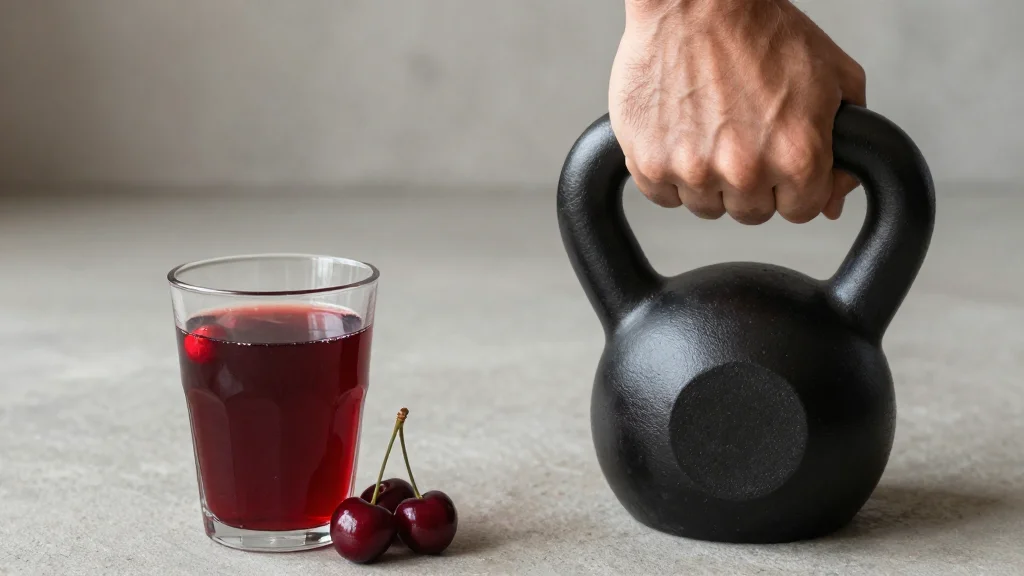
Tart Cherry Supplementation Causes Differential Regulation of Skeletal Muscle Proteome After Eccentric Exercise
Why It Matters
The findings show that tart cherry polyphenols can rewire muscle protein networks and immune cell dynamics, suggesting a nutritional lever for long‑term training adaptations even if short‑term recovery gains are absent.
Key Takeaways
- •High-dose tart cherry raised plasma hippuric acid, linked to stronger MVC
- •Proteomics revealed increased structural proteins and ECM components pre‑exercise
- •Low-dose cherry boosted CD206⁺ macrophage infiltration versus placebo
- •No significant improvement in muscle strength or soreness within 48 h
Pulse Analysis
Tart cherry supplementation has long been touted for its antioxidant and anti‑inflammatory properties, yet rigorous human data on its mechanistic impact remain scarce. This Frontiers in Nutrition study fills that gap by deploying tandem‑mass‑tag proteomics to map how two polyphenol‑rich doses reshape the skeletal‑muscle proteome after a controlled eccentric bout. The researchers observed a dose‑dependent surge in circulating phenolic metabolites—most notably hippuric acid—and a pronounced elevation of structural proteins, extracellular‑matrix components, and translation pathways before exercise. Such molecular priming could theoretically enhance the muscle’s capacity to remodel and adapt to repeated training stress.
Beyond protein expression, the trial uncovered immune‑cell nuances: low‑dose tart cherry increased CD206⁺ macrophage infiltration, a phenotype associated with tissue repair, while neutrophil infiltration remained unchanged. These findings align with animal work suggesting polyphenols modulate the inflammatory milieu to favor regeneration. Importantly, the positive correlation between plasma hippuric acid and maximal voluntary contraction (MVC) underscores the metabolite’s potential as a biomarker linking dietary polyphenols to functional performance. However, the study also reported no measurable acceleration in strength recovery, jump height, or soreness within the 48‑hour window, highlighting a disconnect between acute molecular shifts and short‑term functional outcomes.
For sports nutritionists and strength‑conditioning professionals, the implications are twofold. First, tart cherry may serve as a strategic adjunct to promote structural protein integrity and translation efficiency, potentially supporting long‑term hypertrophic or endurance adaptations. Second, the lack of immediate functional benefit cautions against expecting rapid performance gains from a single‑week dosing regimen. Future research should extend the recovery timeline, broaden metabolomic profiling, and explore split‑dose strategies to determine whether the proteomic remodeling observed translates into tangible performance improvements over longer training cycles.
Tart cherry supplementation causes differential regulation of skeletal muscle proteome after eccentric exercise
Comments
Want to join the conversation?
Loading comments...