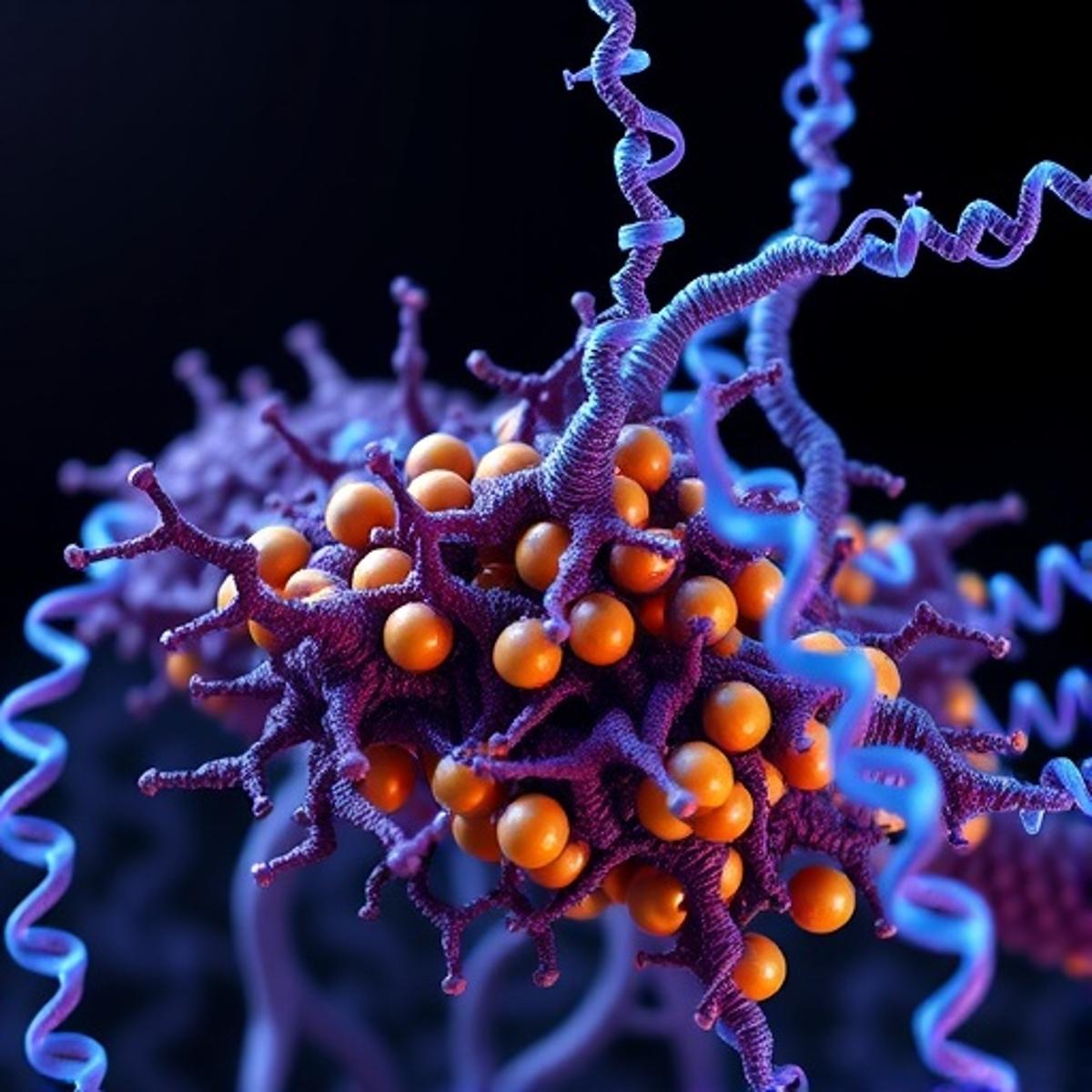
Tau Aggregates Trigger Neuronal Death via Z-RNA
Why It Matters
By uncovering a previously unknown mechanism of tau‑induced neurotoxicity, the research opens avenues for disease‑modifying therapies in a market poised for billions of dollars in Alzheimer’s treatments.
Key Takeaways
- •Tau aggregates bind Z‑RNA structures in neurons
- •Binding triggers innate immune activation and cell death
- •Study used cryo‑EM and RNA‑seq to map interactions
- •Blocking Z‑RNA recognition rescues neurons in mouse models
- •Potential therapeutic target for Alzheimer’s and tauopathies
Pulse Analysis
Tau protein has long been implicated in Alzheimer’s disease, but the precise molecular events that convert normal tau into a neurotoxic agent remain elusive. The recent discovery that tau aggregates latch onto Z‑RNA—a left‑handed double‑helix form of RNA—adds a critical piece to the puzzle. Z‑RNA is known to act as a danger signal in innate immunity, and its aberrant engagement by tau appears to hijack cellular defense pathways, culminating in programmed neuronal death. This mechanistic insight bridges two previously separate research domains: protein aggregation and nucleic‑acid sensing.
The investigative team employed high‑resolution cryo‑electron microscopy to visualize tau‑Z‑RNA complexes at near‑atomic detail, complemented by RNA‑sequencing that highlighted up‑regulation of interferon‑stimulated genes. In vivo experiments demonstrated that mice engineered to express mutant tau suffered extensive neuronal loss, which was dramatically attenuated when a small‑molecule inhibitor blocked the Z‑RNA binding pocket. Cognitive assessments showed restored memory performance, underscoring the therapeutic relevance of disrupting this interaction. These results not only validate Z‑RNA as a druggable target but also provide a robust preclinical framework for future clinical trials.
From a market perspective, the Alzheimer’s therapeutics landscape is projected to exceed $15 billion by 2030, yet disease‑modifying options remain scarce. Targeting the tau‑Z‑RNA axis could differentiate pipelines by addressing upstream neuroinflammation rather than downstream amyloid plaques. Biotech firms are likely to accelerate investment in small‑molecule and antisense strategies aimed at this pathway, while investors will watch for early‑phase trial data. Ultimately, translating this molecular breakthrough into safe, effective treatments could reshape standards of care for millions of patients worldwide.
Tau Aggregates Trigger Neuronal Death via Z-RNA
Comments
Want to join the conversation?
Loading comments...