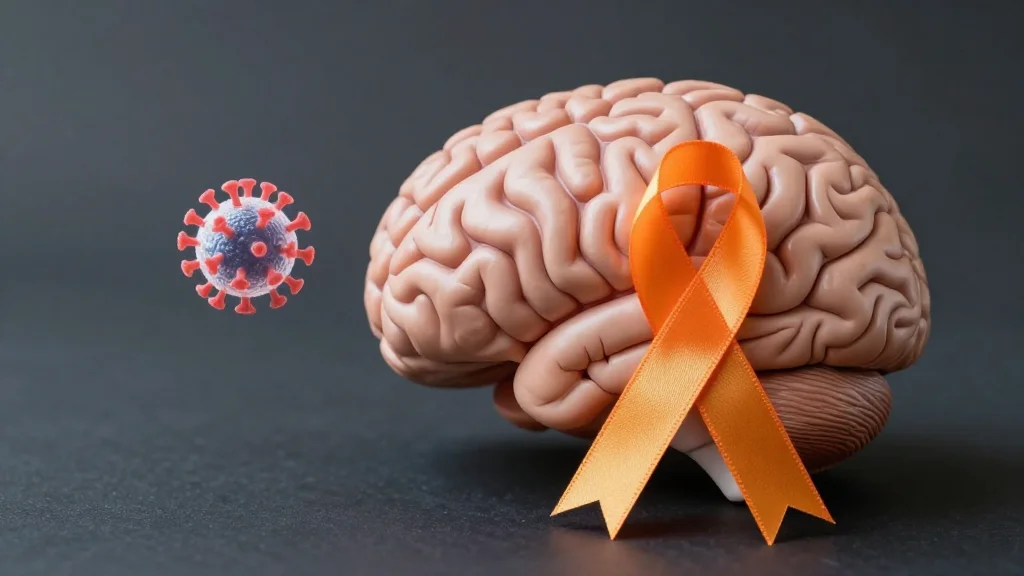
Teenage Mono Infection Linked to Higher Risk of Multiple Sclerosis Later in Life
Companies Mentioned
Why It Matters
If adolescent EBV infection substantially raises MS risk, preventing the virus could curb future cases of a disabling neurological disease, creating a major public‑health opportunity.
Key Takeaways
- •Mono in teens triples multiple sclerosis risk later
- •Study used 20+ years of Rochester health records
- •Findings persist after adjusting for smoking and socioeconomic factors
- •Supports development of EBV vaccines to curb future MS cases
Pulse Analysis
Epstein‑Barr virus, the culprit behind teenage mono, has long been suspected of triggering autoimmune disorders, but quantifying that risk has been elusive. Recent epidemiological work leverages the Rochester Epidemiology Project, a unique repository that tracks patient outcomes across generations. By isolating individuals with clinically confirmed mono and following them for over twenty years, researchers could directly compare MS incidence against a rigorously matched control group, revealing a more than three‑fold risk elevation.
The study’s strength lies in its granular adjustment for confounding variables. Smoking status, socioeconomic background, and pre‑existing health conditions were all accounted for, yet the heightened MS rates among former mono patients persisted. This suggests that the virus itself, rather than associated lifestyle factors, may initiate a cascade of immune dysregulation that culminates in demyelination years later. Such a robust association adds weight to the growing body of evidence positioning EBV as a necessary, though not solely sufficient, factor in MS pathogenesis.
From a business and policy perspective, the implications are profound. Moderna’s involvement signals a strategic pivot toward an EBV vaccine, a product that could transform the preventive landscape for both mono and downstream conditions like MS. If a vaccine can safely eliminate primary EBV infection in adolescence, the downstream reduction in MS cases could translate into billions saved in healthcare costs and productivity losses. Investors and public‑health planners should therefore monitor upcoming trial data closely, as successful outcomes could reshape vaccine pipelines and spur new funding for autoimmune disease prevention.
Teenage mono infection linked to higher risk of multiple sclerosis later in life
Comments
Want to join the conversation?
Loading comments...