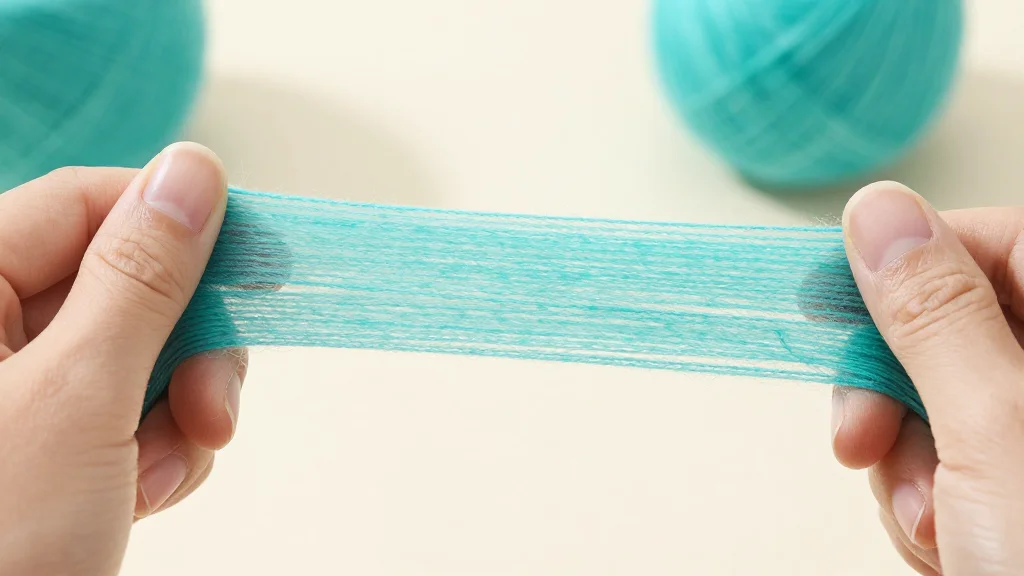
Teijin Frontier Unveils Stretch Polyester Yarn for Recyclable Sportswear
Why It Matters
The innovation removes a key barrier to fully recyclable stretch apparel, opening a pathway for sustainable performance wear and reducing reliance on polyurethane. It also gives manufacturers a single‑material solution that simplifies production and supply chains.
Key Takeaways
- •New polyester yarn offers stretch comparable to polyurethane fibers
- •All‑polyester composition enables easier recycling of stretch textiles
- •Yarn integrates with high‑performance polyester, preserving moisture‑wicking and DWR
- •Teijin targets 100,000 m in 2027, 500,000 m by 2029
- •Eliminates heat‑setting mismatches between elastic and polyester fibers
Pulse Analysis
Demand for stretch performance fabrics has surged as athletes and consumers seek apparel that moves with the body while delivering moisture management and quick‑dry capabilities. Traditionally, manufacturers have relied on polyurethane‑based elastic fibers, which introduce a second polymer class that complicates recycling and creates mismatched heat‑setting behavior during garment finishing. Teijin Frontier’s new stretch polyester yarn directly addresses these pain points by delivering comparable elasticity through a proprietary polymer design and spinning technique, eliminating the need for a polyurethane component.
The technical advantage lies in the yarn’s full polyester chemistry, which aligns perfectly with high‑performance polyester fabrics already prized for moisture absorption, rapid drying, and durable water repellence. This chemical compatibility means the yarn can be heat‑set alongside the base fabric without the thermal incompatibilities that have historically limited blend ratios. From a sustainability perspective, a single‑material construction simplifies the end‑of‑life stream: recyclers can process the garment without separating elastic from polyester, dramatically improving circularity and reducing landfill diversion.
Commercially, Teijin plans to roll out the yarn in sportswear, casual wear, and innerwear, targeting 100,000 metres of textile sales in 2027 and scaling to 500,000 metres by fiscal 2029. Those volumes, while modest, signal a strategic push to embed recyclable stretch solutions across the apparel supply chain. If adopted broadly, the technology could pressure competitors to develop similar single‑polymer elastics, accelerating the industry’s transition toward greener, more efficient textile manufacturing.
Teijin Frontier unveils stretch polyester yarn for recyclable sportswear
Comments
Want to join the conversation?
Loading comments...