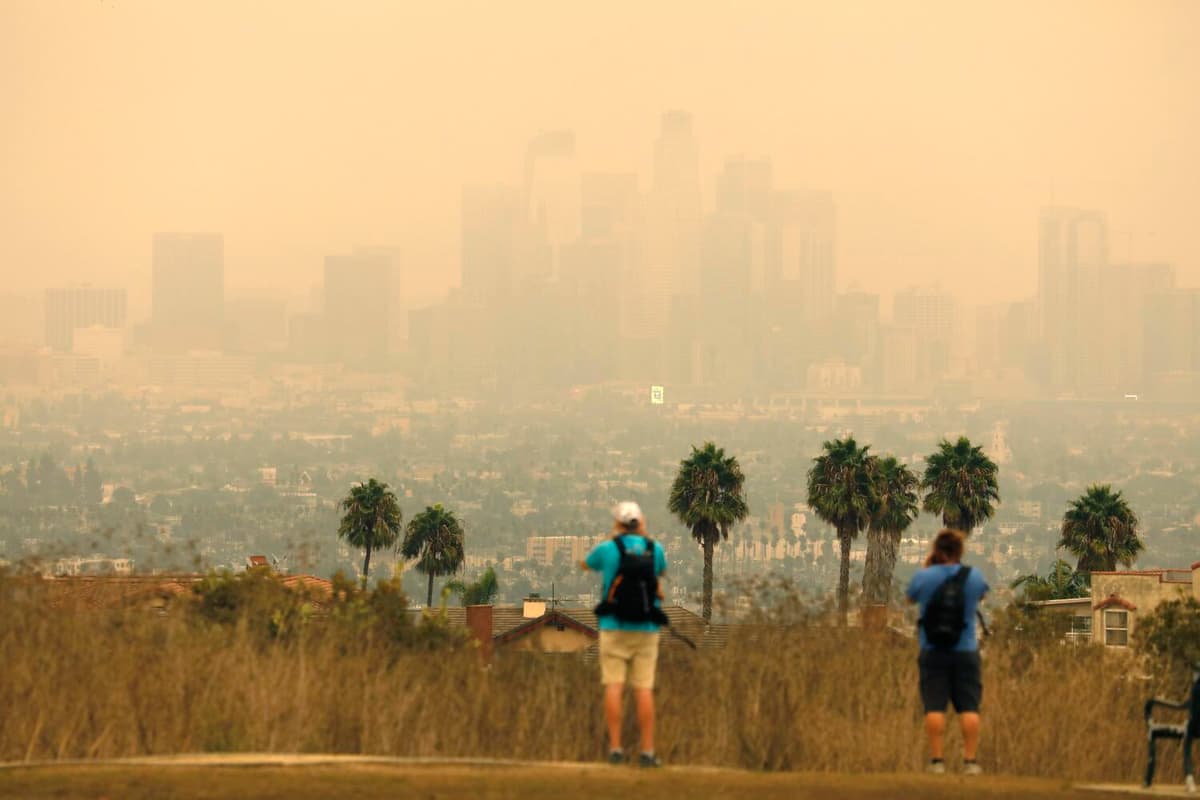
Ten Times Worse than Benzene — California Updates Its Science on Two Chemicals in Everyday Air
Why It Matters
The elevated risk estimates could trigger stricter state regulations, countering federal deregulation and protecting millions of Californians from heightened cancer threats. The data also provide a scientific foundation for nationwide policy discussions on toxic air contaminants.
Key Takeaways
- •OEHHA draft finds acrolein, ethylene oxide >10× benzene cancer risk
- •Estimated cancer risk exceeds 800 per million, similar to early diesel exhaust
- •California allocates $2.5 M for research to curb exposures
- •Federal EPA rolled back EtO standards, raising potential health risks
- •45‑day public comment opens to refine risk values before adoption
Pulse Analysis
California’s latest draft risk values for acrolein and ethylene oxide signal a seismic shift in how state regulators view invisible pollutants. By applying the most recent epidemiological data, OEHHA concluded that both chemicals present an estimated cancer risk exceeding 800 per million—over ten times the risk associated with benzene and on par with the early alarm over diesel exhaust. This scientific update underscores the growing consensus that traditional air‑quality metrics, which focus on visible smog, are insufficient for protecting public health.
The timing of the announcement is critical. While the federal EPA has recently rolled back standards for ethylene oxide, citing cost savings for medical‑sterilization facilities, California is allocating $2.5 million to the Air Resources Board and OEHHA to identify sources, improve monitoring, and translate findings into enforceable policies. The state’s proactive stance not only shields residents from heightened carcinogenic exposure but also positions California as a laboratory for evidence‑based regulation that other jurisdictions may emulate. The funding will support source‑tracking studies, community outreach, and the development of mitigation strategies for both industrial emissions and everyday sources such as cooking fumes and vehicle exhaust.
For consumers, the draft highlights actionable steps: avoid smoking and vaping, limit exposure to high‑temperature cooking fumes, and reduce reliance on diesel‑powered equipment. Meanwhile, the broader air‑quality picture remains grim, with 82 % of Californians living in counties deemed unhealthful by the American Lung Association. The 45‑day public comment window offers stakeholders a chance to shape the final risk values, ensuring that the science translates into robust, enforceable standards. As federal protections wane, California’s rigorous approach may become a template for safeguarding air quality nationwide.
Ten times worse than benzene — California updates its science on two chemicals in everyday air
Comments
Want to join the conversation?
Loading comments...