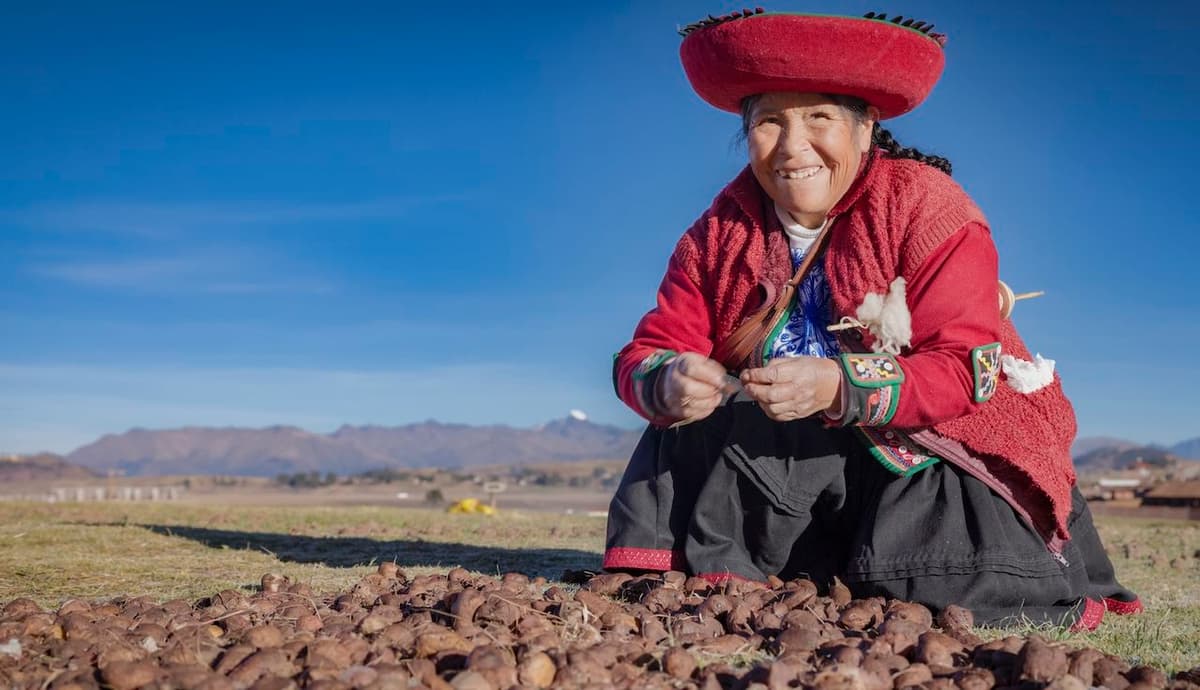
Thanks to Natural Selection, Indigenous Andeans May Digest Potatoes Better than Anyone Else in the World, Study Finds
Why It Matters
The discovery shows how a staple crop can drive rapid human genetic evolution, informing nutrition science and personalized diet strategies. It underscores the power of copy‑number variation as a fast‑acting adaptation to cultural food changes.
Key Takeaways
- •Indigenous Andeans average 10 amylase gene copies, highest worldwide
- •Gene copy increase linked to 1.24% survival advantage
- •Study analyzed 3,723 genomes from 85 populations
- •High amylase copies may boost calorie extraction from potatoes
- •Similar copy numbers found in Akimel O’odham, suggesting parallel adaptation
Pulse Analysis
The new Nature Communications paper reveals that Indigenous Andeans in Peru carry an average of ten copies of the salivary amylase (AMY1) gene, the highest copy number recorded among any modern population. Global averages hover around seven copies, underscoring a pronounced genetic shift that coincides with the Andes’ early potato domestication roughly 10,000 years ago. Researchers mapped AMY1 copy numbers across 3,723 individuals from 85 worldwide groups, confirming that the Andean surge is not a sampling artifact but a continent‑wide signal of selection.
The authors estimate a 1.24 % increase in reproductive success for individuals with ten or more AMY1 copies, a modest yet evolutionarily potent advantage that compounds over generations. This benefit likely stems from more efficient starch breakdown, translating into higher caloric yield from boiled potatoes—a staple in Andean diets. Parallel high copy numbers were observed in the Akimel O’odham of the American Southwest, hinting at convergent dietary pressures despite distinct cultural histories. Together, these findings illustrate how copy‑number variation can act as a rapid response mechanism to localized food sources.
Beyond anthropology, the study opens avenues for nutritional genomics and personalized diet planning. Individuals with fewer AMY1 copies often experience reduced starch tolerance, suggesting that genetic screening could inform carbohydrate recommendations, especially in populations transitioning away from traditional tuber‑based meals. Ongoing experiments by Gokcumen’s team aim to link amylase copy number with gut microbiome composition and metabolic health, potentially shaping future interventions for obesity and diabetes. The research underscores the broader principle that human genomes continue to adapt swiftly to cultural and dietary shifts.
Thanks to natural selection, Indigenous Andeans may digest potatoes better than anyone else in the world, study finds
Comments
Want to join the conversation?
Loading comments...