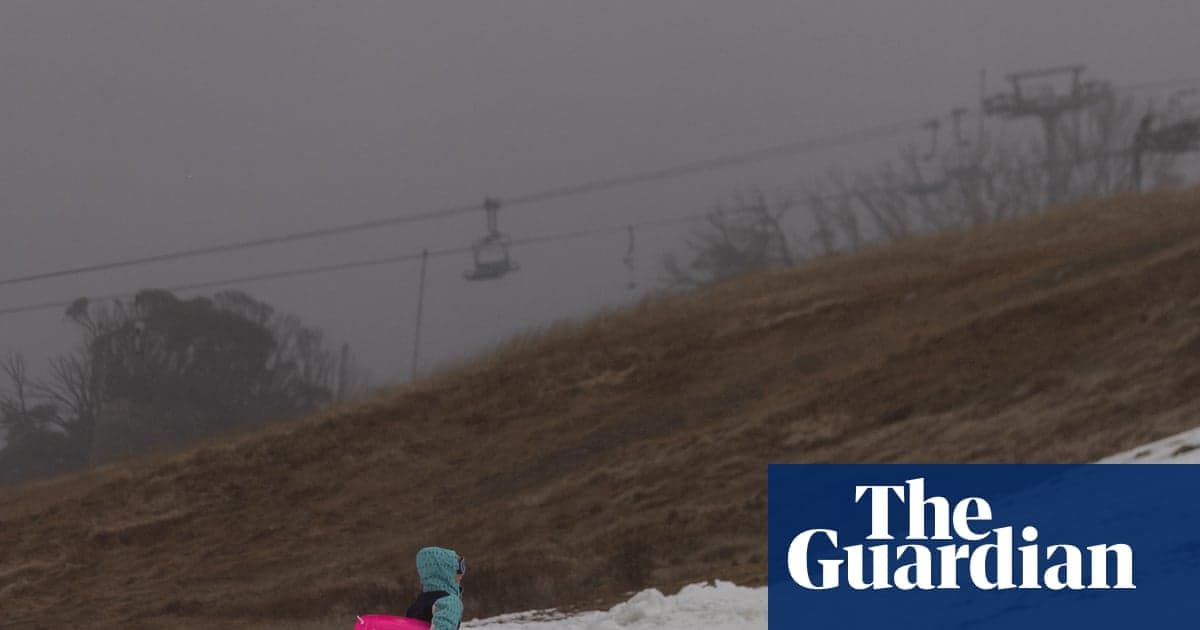
‘That’s a Bad Combination’: Why Australia May Be in for a Slushy Snow Season
Why It Matters
The decline jeopardizes tourism revenue, jobs, and the viability of Australia’s alpine economy, while underscoring broader climate risks for winter sports worldwide.
Key Takeaways
- •El Niño expected to bring warmer, drier winter across eastern Australia.
- •Forecasts show below‑average snowfall and daytime temps up to 10 °C.
- •SkiSim2 model predicts 15‑17% shorter seasons by 2030.
- •Snow‑making can now operate at temperatures up to 20 °C above zero.
- •Industry adaptation hinges on emissions reductions and advanced snow‑making.
Pulse Analysis
Australian alpine resorts kicked off the 2026 ski season with fresh snow, but forecasters warn the celebration may be short‑lived. An El Niño is expected to develop in the coming weeks, bringing warmer, drier air to New South Wales, Victoria and Tasmania. The Bureau of Meteorology’s long‑range outlook projects below‑average snowfall and daytime highs reaching 10 °C, conditions that melt fresh powder within hours. While occasional low‑pressure systems can still deliver bursts of snow, the overall climate signal points toward a slushy, truncated season. Skiers are urged to capitalize on early runs before conditions deteriorate.
Scientific modelling reinforces the concern. A 2024 study using the SkiSim2 climate model estimated that, under current emissions pathways, the average season length at Australia’s eleven major resorts could shrink by 15‑17 % by 2030. Snow‑making, already a 35‑year‑old staple, has advanced to machines that can produce artificial snow at temperatures up to 20 °C above freezing, offering a buffer against mild spells. However, researchers stress that the effectiveness and cost of these systems deteriorate as ambient temperatures rise, making emissions reductions the most economical long‑term solution. Investors are watching closely as the cost‑benefit balance shifts with each degree of warming.
The stakes extend beyond recreation. Alpine tourism supports thousands of seasonal jobs and contributes significantly to regional economies, especially in the Snowy Mountains and Tasmanian highlands. A shorter, less reliable season threatens revenue streams, ski‑school enrolments, and ancillary businesses such as hospitality and transport. Industry leaders, including Snow Resorts Australia, argue that continued investment in next‑generation snow‑making and a swift transition to renewable energy are essential to preserve the sector’s viability and to demonstrate a proactive response to climate risk. Policymakers may need to consider climate‑resilient tourism strategies to safeguard regional livelihoods.
‘That’s a bad combination’: why Australia may be in for a slushy snow season
Comments
Want to join the conversation?
Loading comments...